


Volvo cars self driving technology in 2025 promises enhanced safety and convenience features, aiming for fully autonomous driving capabilities on select models.
Volvo is at the forefront of automotive innovation, particularly in self-driving technology. As we approach 2025, the brand aims to integrate cutting-edge features that could redefine safety and convenience for drivers and passengers alike. This guide will detail what to expect from Volvo’s self-driving technology, how it operates, and the implications for current and future Volvo owners.
- Volvo’s self-driving technology focuses on safety, aiming for fully autonomous capabilities.
- Expected improvements in sensor technology will enhance vehicle perception.
- Models like the XC90 may lead the way in autonomous features by 2025.
- Volvo’s commitment to sustainability will influence its self-driving technology integration.
- Advanced safety features will remain a core part of Volvo’s identity in autonomous driving.
Overview of Volvo Cars Self Driving Technology in 2025
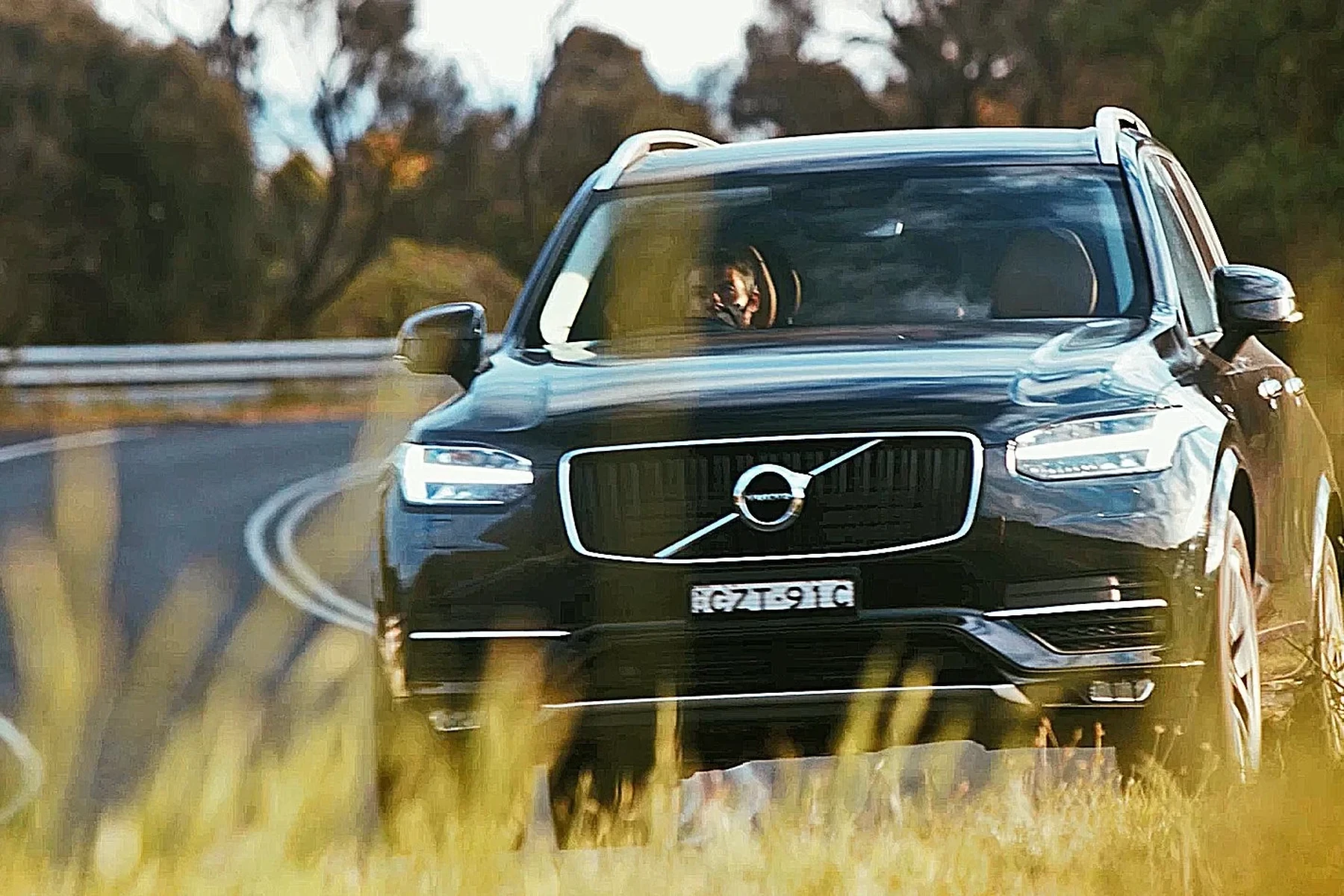
Volvo’s self-driving technology by 2025 is designed to enhance the driving experience while focusing on safety. The brand has been a leader in automotive safety for decades, and its approach to autonomous technology is built on this foundation. The goal is to offer vehicles that can navigate various driving conditions with minimal human intervention.
Volvo plans to introduce Level 3 autonomy in select models. This means the vehicle can handle most driving tasks but requires the driver to be ready to take control when necessary. This is a significant step toward full autonomy, which is classified as Level 5.
Key Features of Volvo’s Self Driving Technology
Volvo’s self-driving systems are expected to include several advanced features that enhance safety and comfort. Here are some critical components:
Advanced Sensor Technology
The 2025 models will feature upgraded sensors, including Lidar, radar, and cameras. These technologies work together to provide a 360-degree view of the vehicle’s surroundings, enabling it to detect obstacles, pedestrians, and other vehicles.
Automated Driving Modes
Expect various driving modes tailored for different environments. For instance, highway driving might allow for full autonomy, while city driving could require more driver input. This flexibility aims to ensure safety in complex urban environments.
Real-Time Data Processing
Volvo’s vehicles will utilize powerful onboard computers to process data in real-time. This capability allows the vehicle to make quick decisions based on the current driving environment, enhancing overall safety.
Integration with Smart City Infrastructure
Volvo is exploring partnerships with smart city projects to ensure its vehicles can communicate with traffic signals and other infrastructure. This integration aims to optimize traffic flow and reduce congestion.
How Self Driving Technology Works in Volvo Cars
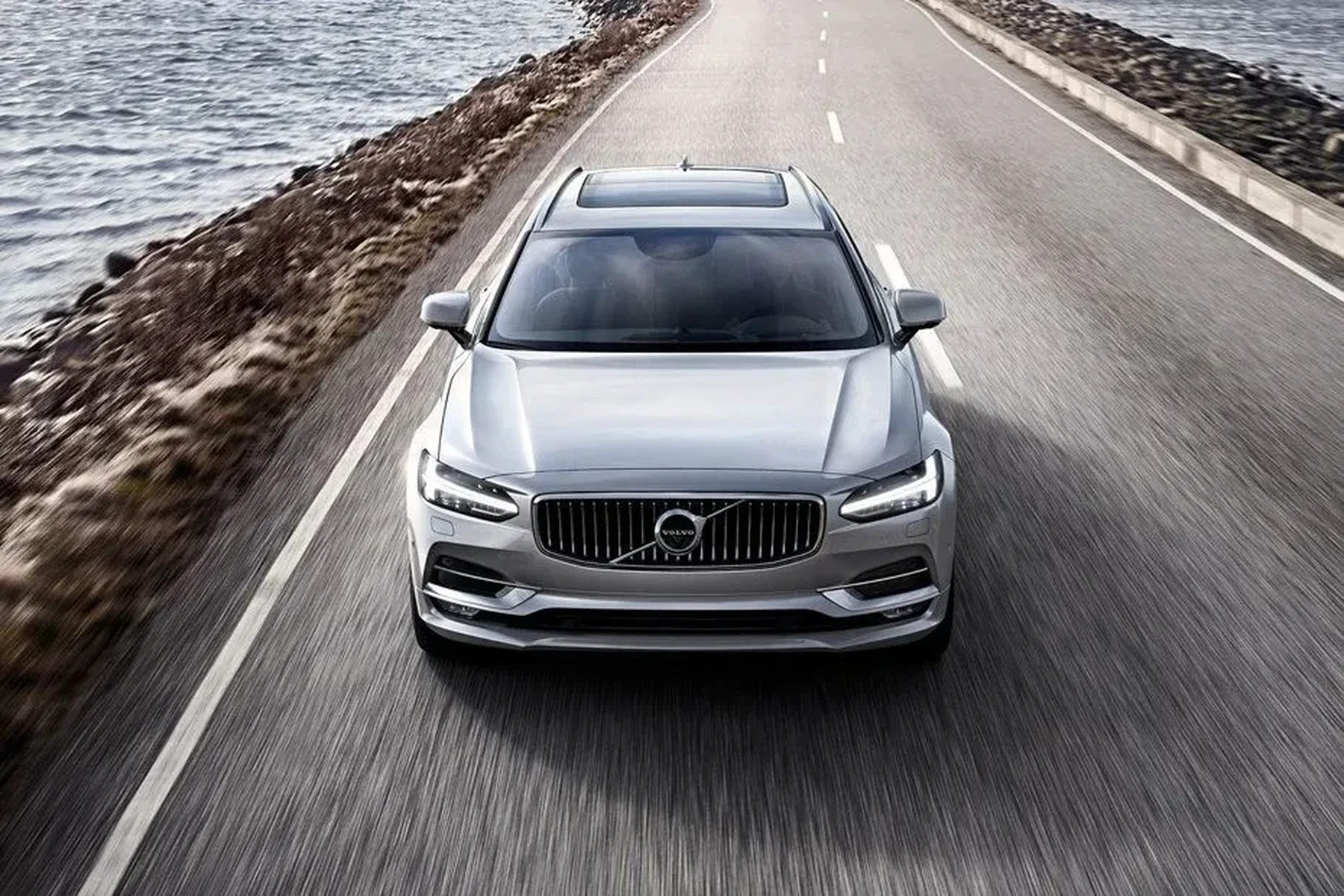
Understanding how Volvo’s self-driving technology operates involves looking at the combination of hardware and software that makes it all possible.
Hardware Components
The hardware in Volvo’s self-driving vehicles will primarily include:
- Lidar and Radar Sensors: These detect distances and speeds of nearby objects.
- Cameras: Used for lane-keeping, traffic sign recognition, and obstacle detection.
- GPS and IMU: For precise navigation and positioning.
Software Systems
The software is equally vital. Advanced algorithms will interpret data from the hardware to make driving decisions. This system learns from a vast database of driving scenarios, continually improving its performance.
Volvo’s Commitment to Safety in Autonomous Driving
Safety remains a cornerstone of Volvo’s brand identity. The company aims for its self-driving technology to reduce accidents and fatalities.
Safety Features
Expect features such as:
- Automatic Emergency Braking: Detects potential collisions and applies brakes if necessary.
- Lane Keeping Assistance: Helps to keep the vehicle centered in its lane.
- Adaptive Cruise Control: Maintains a safe distance from the vehicle ahead.
These features will be enhanced by the self-driving capabilities, allowing for more proactive safety measures.
Volvo Models Expected to Feature Self Driving Technology
Several models are expected to be equipped with advanced self-driving technology by 2025. The most notable include:
Volvo XC90
The XC90, known for its luxury and safety features, is likely to be one of the first models to showcase Level 3 autonomy. Its spacious design and family-friendly features make it ideal for incorporating advanced driving technologies.
Volvo EX60
As an electric SUV, the EX60 will combine sustainability with innovative self-driving technology. This model will likely appeal to tech-savvy consumers looking for an eco-friendly vehicle.
Volvo EX40
The EX40 is anticipated to be a more compact option, targeting urban drivers. Its self-driving features will focus on convenience and safety in city environments.
The Future of Driving with Volvo
The advancements in self-driving technology will not only change how we drive but also how we think about transportation. Volvo’s commitment to sustainability and safety will shape the future of autonomous driving.
Potential Challenges
Despite the exciting possibilities, challenges remain. Regulatory approvals and public acceptance are crucial for widespread adoption. Volvo will need to navigate these hurdles to ensure the successful implementation of its self-driving technology.
Consumer Expectations
Consumers will expect not only enhanced safety features but also a seamless user experience. Volvo’s focus on user-friendly interfaces and connectivity will play a significant role in this aspect.
💡 Evans Torres Tip: Always stay informed about software updates for your Volvo. These updates can enhance the performance and safety of your self-driving features over time.
Frequently Asked Questions
What Level of Autonomy Can I Expect in Volvo Cars by 2025?
Volvo aims to introduce Level 3 autonomy in select models, allowing the vehicle to handle most driving tasks while requiring driver readiness for intervention.
How Will Self-driving Technology Affect Volvo’s Safety Ratings?
The integration of self-driving technology is expected to enhance Volvo’s already high safety ratings by reducing the likelihood of accidents.
Which Volvo Models Will Have Self-driving Features?
The Volvo XC90, EX60, and EX40 are expected to feature advanced self-driving technology by 2025.
Can Self-driving Features Be Retrofitted in Older Volvo Models?
It is unlikely that older models will receive retrofitted self-driving features due to the specific hardware and software requirements of newer vehicles.
What Impact Will Self-driving Cars Have on Insurance Rates?
As self-driving technology reduces accident rates, it may lead to lower insurance premiums for consumers, but this will depend on market regulations.
Final Verdict
Volvo cars self-driving technology in 2025 is set to revolutionize driving with a strong emphasis on safety and innovation. With advanced features and models geared toward autonomous capabilities, Volvo is poised to lead the way in the automotive industry. For current and future Volvo owners, staying informed about these developments will be crucial as we approach this new era of driving.
Author

Author

Evans Torres
I’m Evans Torres, an automotive engineer who loves Volvo cars. I graduated in Automotive Engineering from USC. I have worked in the car industry for years and now share my knowledge on The Volvo Life. I started this blog to connect with other Volvo fans. I offer tips, news, and advice to help you care for your car. My goal is to help you keep your Volvo in great shape and find all the best things about it. Join me as we discover everything Volvo has to offer!