


The difference between Volvo 740 and 760 centers on powertrains and luxury. The 740 focused on the robust redblock four-cylinder and simpler trims, while the 760 added V6/diesel options, plusher features, and later independent rear suspension for a softer ride—at the expense of higher purchase and upkeep costs.
The Volvo 740 and 760 share the same 700-Series DNA, but they were aimed at different buyers when new in the 1980s. The 740 was Volvo’s mainstream, value-forward midsizer; the 760 served as the upscale flagship with more powertrain variety and richer equipment.
Today, shoppers and enthusiasts often compare them for reliability, daily comfort, ride quality, and parts support. This guide clarifies what truly separates the two—engines, suspension, features, safety equipment timing, and real-world ownership costs—using U.S.-market context and verifiable examples.
- Main difference: 740 = durable redblock four-cylinder and simpler spec; 760 = V6/diesel availability, more standard luxury, and later IRS for a cushier ride.
- Best for 740: Value, ease of ownership, parts availability, and modification potential (especially 740 Turbo).
- Best for 760: Quieter cabin, richer trim, smoother highway ride, and rare/collector appeal.
- Cost/value: 740 usually costs less to buy and maintain; 760-specific parts (V6, IRS, climate electronics) can add expense.
- Important caveat: Equipment varied by year and engine. Verify exact powertrain, suspension, and safety features on the specific car.
Are the Volvo 740 and Volvo 760 direct competitors?
They are sister models in the same lineup rather than external rivals. Both are mid-size, rear-wheel-drive sedans and wagons on Volvo’s 700-Series platform.
The Volvo 760 sat higher in price and equipment, designed as the premium flagship. The Volvo 740 covered broader, more affordable trims, including popular Turbo variants that emphasized performance without the 760’s luxury focus.
Volvo 740 vs Volvo 760: At-a-glance comparison
This table spotlights the decision-critical differences by typical U.S.-market configurations. Always verify exact year, engine code, and equipment on the car you’re considering.
| Item | Volvo 740 | Volvo 760 |
|---|---|---|
| U.S. model years | 1985–1992 | 1983–1990 |
| Body styles | Sedan, Wagon | Sedan; Wagon offered in select years |
| Typical engines (USA) | 2.3L inline-4 redblock (NA/Turbo); limited diesel availability | 2.8L PRV V6 (B28/B280); some Turbo/diesel variants by year |
| Character | Durable, simpler, value-focused; Turbo = strong performance | Quieter, more luxurious, smoother highway manners |
| Rear suspension | Solid live axle (coil-spring; some self-leveling) | Live axle early; independent rear suspension from late-’80s facelift |
| Transmissions | Manual M46/M47; Aisin-Warner autos (AW70/71/72) | Manual limited; autos common incl. ZF 4HP22 by year |
| Safety equipment | ABS optional earlier; more common later; airbag late-run | ABS offered earlier/more commonly; airbag availability late-run |
| Ride/handling | More straightforward, slightly firmer; predictable handling | Softer, more isolated ride (especially IRS cars) |
| Cabin/trim | Cloth/leather by trim; simpler audio/climate units | Leather/wood common; premium audio; ECC climate in many |
| Fuel economy (example) | 1989 740 2.3L auto EPA: ~19/25 mpg (city/hwy) | 1989 760 2.8L V6 auto EPA: ~17/22 mpg (city/hwy) |
| Ownership costs | Generally lower parts/repair costs, excellent parts supply | Higher potential costs: V6-specific items, IRS/Nivomat, ECC |
Check the engine code, model year, and rear suspension type on the specific Volvo 740 or 760. Late-’80s 760s gained IRS; many 740s remained live axle. Equipment such as ABS and airbags varied by year—confirm on the build plate, VIN, and in-person inspection.
Main differences between Volvo 740 and Volvo 760
The 760’s mission was luxury and refinement: wider use of the PRV V6 or diesel options, earlier adoption of features like ABS, richer interior trims, and—after its late-’80s facelift—an independent rear suspension tuned for comfort.
The 740 emphasized value and durability with the redblock four-cylinder family, simpler electronics, and a straightforward live axle. In performance, the 740 Turbo frequently felt quicker than 760 V6 versions, while the 760 delivered a quieter, more isolated ride.
Similarities and common ground
Both share the 700-Series structure, excellent visibility, four-wheel disc brakes, boxy cargo-friendly bodies, and long-haul ergonomics. Parts commonality across many wear items is strong, and both reward proactive maintenance.
Period instrumented tests often found a well-running Volvo 740 Turbo quicker than a 760 V6 in real-world acceleration. The 760 counters with more luxury, lower noise levels, and—on IRS cars—a notably softer secondary ride.
Price, comparable trims and feature-adjusted value: Volvo 740 vs Volvo 760
When new, the Volvo 760 commanded a higher price thanks to standard equipment and upscale positioning. Today, the used market typically prices clean 740s below comparable 760s, with rarity and condition pushing 760 values up.
Adjusted for features, a strong 740 Turbo can deliver the best performance-per-dollar. A pristine 760—especially an IRS, late-facelift example—earns its premium if you value comfort, quieter cruising, and richer materials over outright speed.
Size, seating, cargo and everyday practicality
Dimensions are near-identical between the Volvo 740 and Volvo 760. Both offer excellent front-seat comfort, airy visibility, and the iconic long-roof wagon utility with a low load floor and square cargo bay.
The 760’s added sound insulation and seat trim quality give it a more premium feel in daily use. The 740 remains the pragmatic choice for hauling and DIY upkeep, with the same core utility at a lower running cost.
Interior comfort, visibility and cabin usability
The 760 typically brings leather upholstery, wood trim, and more robust audio systems, alongside available electronic climate control (ECC). Noise suppression is better in most 760s, especially on the highway.
The 740’s ergonomics and visibility match the 760, but with simpler switchgear and HVAC. For many owners, the 740’s straightforward cabin is a long-term advantage for repairs and reliability.
Early- to mid-’80s wiring harness insulation can degrade on some 700s. Inspect under-hood looms for brittleness or cracking and budget for a replacement harness if needed—especially on earlier 760s and 1985–1987 740s.
Infotainment, controls and technology: Volvo 740 vs Volvo 760
Neither car has modern infotainment; both rely on period radios and analog controls. The 760’s premium audio options and trip computer were upscale for the time, while the 740 often came with simpler radios and manual HVAC.
Prospective owners should test every switch and the climate system. ECC units and related sensors in the 760 can be costlier to diagnose and repair than the 740’s manual controls.
Safety and driver assistance: what’s different?
Advanced driver aids didn’t exist in the 1980s sense, but the Volvo 760 more commonly included ABS earlier in the run, while the Volvo 740 adopted it more broadly later. Driver airbags appeared late in the lifecycle and vary by model year.
Comparable crash-test results are limited for these years. Focus on equipment verification and condition: belts, seat mounts, ABS operation, lighting integrity, and rust-free structure.
Confirm ABS presence and operation, and whether your specific 740 or 760 has a driver airbag. Inspect brake hydraulics, tires, and lighting. These cars predate modern ADAS—maintenance quality matters more than badges.
Performance, ride, handling and drivetrain
The Volvo 740 Turbo’s boosted redblock is punchy and tunable, offering brisk acceleration when healthy. Non-turbo 740s trade speed for simplicity and solid economy.
The Volvo 760’s PRV V6 emphasizes smoothness and low- to midrange torque. Late-’80s 760s with IRS have a more isolated, supple ride than most 740s, while earlier 760s feel closer to the 740’s live-axle character.
Fuel economy: Volvo 740 vs Volvo 760
Fuel economy depends heavily on engine and year. As an example reference, the EPA lists the 1989 Volvo 740 2.3L automatic at about 19 mpg city / 25 mpg highway, and the 1989 Volvo 760 2.8L V6 automatic around 17 mpg city / 22 mpg highway.
Turbocharged 740s can perform similarly to non-turbo 740s if driven gently, but boost use will lower economy. Diesel variants exist in limited numbers; verify condition and service history before relying on efficiency gains.
Running premium fuel in turbo and some V6 applications can improve drivability. Proper tire load ratings and fresh shocks make a noticeable difference in ride and braking on both 740 and 760.
Reliability, known issues and evidence level
The redblock four-cylinder in the Volvo 740 has an outstanding durability reputation with timely timing-belt service, PCV/flame-trap cleaning, and regular fluids. Aisin-Warner automatics (AW70/71/72) are known long-haulers with fluid changes.
The Volvo 760’s PRV V6 improved in later B280 form but is more complex and parts can be pricier. Late-’80s 760 IRS cars ride well, but Nivomat/self-leveling and IRS bushings add cost when due. Early wiring-harness degradation is a shared-era concern.
Maintenance, insurance, depreciation and total ownership cost
On average, the 740 is cheaper to maintain, and parts supply is excellent. The 760’s ECC climate, V6 components, and IRS consumables can raise costs, but a well-kept example rewards with refinement.
Insurance tends to be manageable as a classic. Depreciation has largely stabilized; condition, originality, and records drive value swings more than model name alone.
Map service intervals before you buy. Our Volvo 740 Maintenance Schedule guide can help you frame routine care and parts budgeting for a well-sorted 740.
Helpful resource: Volvo 740 Maintenance Schedule.
Resale outlook and daily practicality
Both cars remain daily-drivable classics if maintained. The 740’s lower buy-in and easy parts sourcing make it a pragmatic commuter or project. The 760’s value concentrates in pristine, low-owner examples, where comfort and rarity stand out.
Wagons from either line remain cult favorites for cargo-hauling with character. Seek rust-free shells and intact interiors—trim restoration can outpace drivetrain costs.
- 740 Turbo: smooth boost build, no detonation, stable idle, strong AW shifts.
- 760 V6: quiet hot restarts, no valvetrain tick, smooth ZF shifts, steady idle.
- Rear end: IRS clunks/harshness vs. live-axle bushing wear or tire cupping.
- HVAC: ECC blower speeds, temperature blend, and mode-door function.
- Electrical: charging voltage, harness flexibility, working gauges/switches.
Volvo 740 Pros and Cons
- Legendary redblock durability and parts support
- Lower purchase and maintenance costs
- 740 Turbo offers strong, tunable performance
- Simple HVAC/electrics are easier to service
- Excellent wagon utility and visibility
- Less cabin isolation than late 760
- Earlier cars may lack ABS/airbag
- Live axle rides firmer on broken pavement
- Some early wiring harness degradation years
- Base audio and trim are modest
Volvo 760 Pros and Cons
- Richer trim, quieter cabin, upscale features
- Later IRS cars deliver a notably softer ride
- Earlier and wider ABS availability by year
- Smooth V6 or diesel torque in some versions
- Rarer, stronger collector appeal
- Higher parts/repair costs (V6, IRS, ECC)
- Not always quicker than 740 Turbo
- ZF 4HP22 needs careful maintenance
- Early harness degradation applies here, too
- Wagon availability varies by year
Which vehicle is better for different buyers?
Alternatives worth considering
Within Volvo, consider the later Volvo 940 (evolution of 740) for simplified ownership, or the Volvo 960 if you want 760-like luxury in the 1990s design. Outside Volvo, period German rivals include the Mercedes-Benz W124 and BMW E28/E34 for different takes on comfort vs. sport.
If you’re weighing newer Volvo powertrain trade-offs in general, our guide to Volvo T5 vs T6 clarifies how trims can change character—useful background even if your heart’s set on a classic 700.
How to Decide Between Volvo 740 and Volvo 760
- Confirm the exact engine, transmission, and rear suspension on the VIN/build plate, then inspect in person.
- Drive both on the same loop: city bumps, highway cruise, and a quick merge. Note noise, ride, and throttle response.
- Scan service records for timing belts (redblock/diesel), transmission service, IRS/Nivomat work, and climate system repairs.
- Price the whole car: tires, shocks, harness condition, interior trim, and any ABS/airbag service needs.
- Pick the car that needs the fewest deferred fixes to align with your priorities—performance (740 Turbo) or plushness (760/IRS).
If you’re troubleshooting a 760 specifically, common no-start paths and checks can save time before parts-swapping.
See our focused guide: Why Won’t My Volvo 760 Start?
💡 Evans Torres Tip: If performance draws you to the 760, compare it against a healthy 740 Turbo back-to-back. The Turbo’s midrange punch often surprises, while the 760’s appeal is quietness and polish. Bring a flashlight and check rear suspension type, HVAC function, and wiring harness condition before you fall in love.
Frequently Asked Questions
Shoppers ask similar questions about the Volvo 740 and Volvo 760, but answers hinge on year, engine, and the car’s present condition. The points below close the most common knowledge gaps with clear, U.S.-market context and examples where publicly verifiable data exists.
Is the Volvo 740 more reliable than the Volvo 760?
Generally yes, because the 740’s redblock four is simpler and has excellent parts support. With regular timing-belt service and fluids, it’s renowned for longevity. The 760’s V6 and IRS add complexity and cost, though a well-maintained 760 can be dependable. Prior maintenance matters more than odometer alone.
Did the Volvo 760 get independent rear suspension and when?
Yes. Many late-’80s facelifted 760s adopted an independent rear suspension that improved ride comfort. Early 760s used a live axle similar to the 740. Always confirm the rear suspension on the individual car you’re considering, as running changes vary with model year and market.
Which is faster: 740 Turbo or 760 V6?
A strong 740 Turbo typically feels quicker, with broader midrange torque under boost. The 760’s V6 is smoother and quieter but not necessarily faster in real-world sprints. Test-drive both and check that each car is in proper tune before drawing conclusions about performance.
How do fuel economy numbers compare?
By example, the EPA rates a 1989 740 2.3L automatic around 19/25 mpg (city/highway) and a 1989 760 2.8L automatic around 17/22 mpg. Actual results depend on engine, tune, transmission, and driving style. Turbo use and shorter trips can reduce economy on either model.
Are safety features like ABS and airbags standard?
ABS arrived earlier and more commonly on the 760; the 740 adopted it more widely later. Driver airbags appeared late in the run and vary by year. These cars predate modern ADAS, so verify ABS presence and operation and inspect belts and brakes carefully on any candidate car.
Are parts still available for the 740 and 760?
Yes, with the 740 generally enjoying broader and cheaper parts availability. Many 760 items are shared, but V6-, ECC-, and IRS-specific components can be costlier or require sourcing from specialists. Owner clubs and reputable suppliers keep these cars viable daily drivers.
Is the 760 wagon different from the 740 wagon?
Cargo space and basic utility are broadly similar because the bodies are closely related. The 760 wagon focuses on materials and comfort features, while the 740 wagon offers the same usefulness with simpler, easier-to-service systems that often reduce ownership costs.
What regular maintenance is most important?
For 740s: timing belt intervals, PCV/flame trap cleaning, fluid changes, and turbo health if equipped. For 760s: the same basics plus close attention to ECC climate, V6-specific service, and IRS/Nivomat condition. For coolant specifics on 740s, see our guide to the best coolant for the Volvo 740.
Final Verdict
Pick the Volvo 740 if you want the cleanest path to classic-Volvo ownership: robust redblock reliability, plentiful parts, and lower running costs. A 740 Turbo is the sweet spot for enthusiasts who also daily-drive.
Choose the Volvo 760 if you prize a calmer cabin, richer trim, and a softer highway ride—especially in late facelift cars with IRS. Budget accordingly for V6-, ECC-, and IRS-specific service, and buy the best-maintained example you can find. Either way, prioritize condition, documentation, and a thorough test drive.
My Top Picks at a Glance
These three 740 760 accessories are practical options to compare after choosing the right Volvo configuration.
 Best Overall
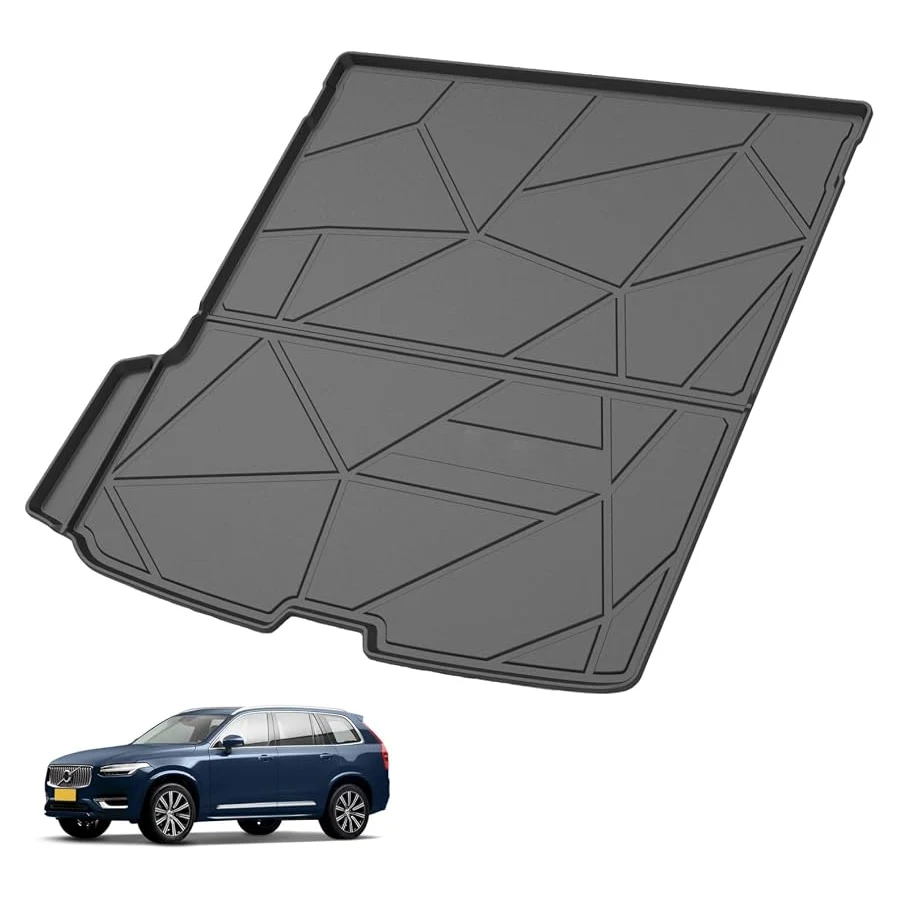
Elsetyler Volvo XC90 2016-2026 cargo liner, custom-fit black TPE, all-weather, heavy-duty waterproof, anti-slip trunk mat
A vehicle-fit accessory to compare for compatibility, daily usefulness, and value.
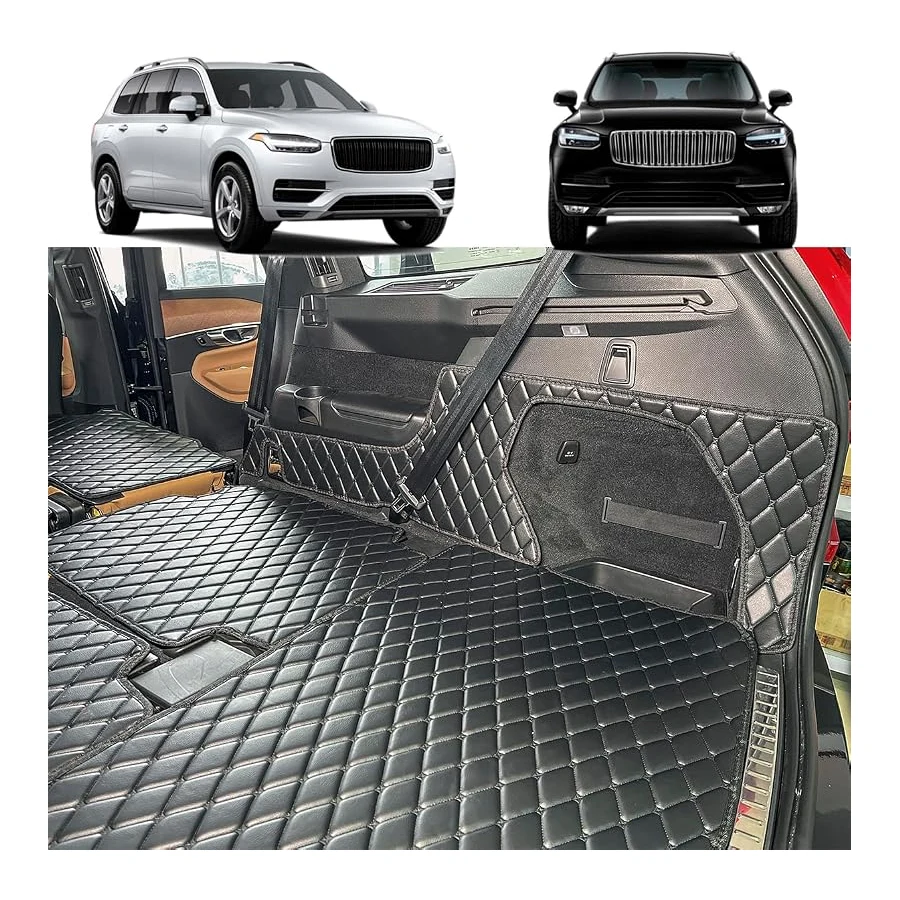 Best Value
Volvo XC90 2016-2025 all-weather cargo mat set, includes trunk liner and rear left/right side panel protectors
A vehicle-fit accessory to compare for compatibility, daily usefulness, and value.
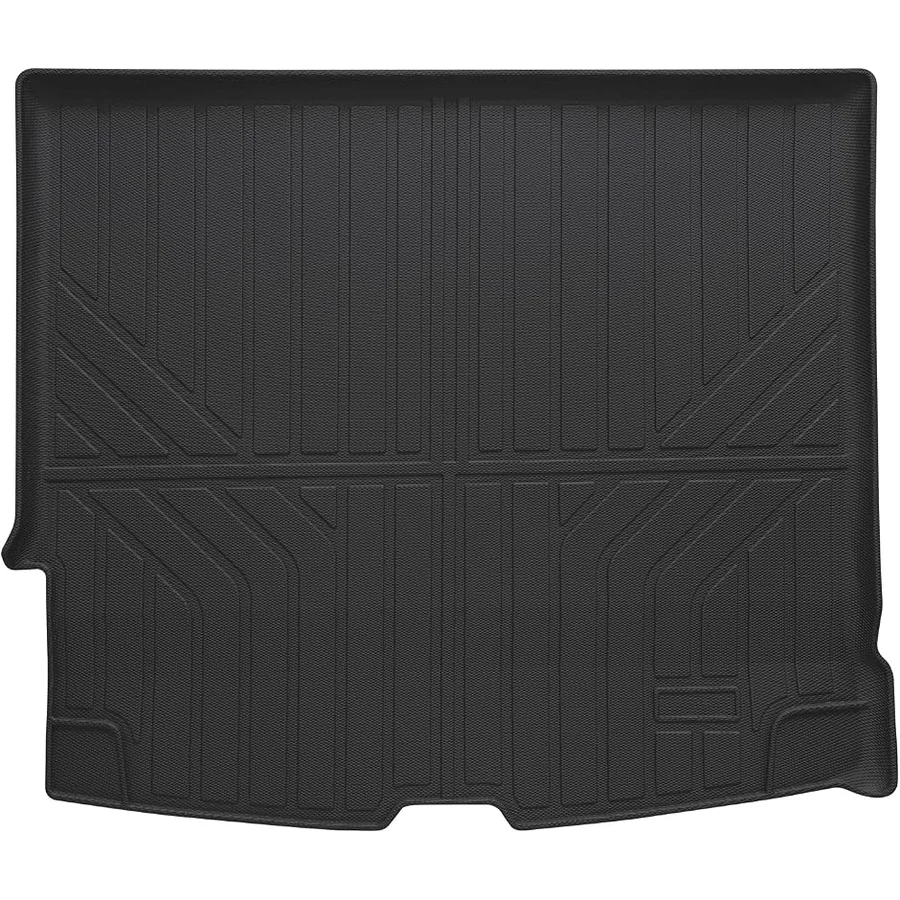 Best Premium Option
Volvo XC60 2018-2026 cargo liner, TPE waterproof trunk mat, all-weather, easy to clean, custom-fit
A vehicle-fit accessory to compare for compatibility, daily usefulness, and value.
Sources and Methodology
This U.S.-market comparison focuses on typical model years: Volvo 760 (1983–1990) and Volvo 740 (1985–1992). We aligned trims by common engines/transmissions and highlighted equipment that materially affects ownership. Fuel economy examples cite specific model years/powertrains from EPA data. Technical traits, running changes, and known issues were cross-checked against factory literature and long-standing owner/club FAQs. Comparable crash scores are limited for these eras; safety coverage emphasizes equipment timing and condition checks. Verified August 2026.
Author

Author

Evans Torres
I’m Evans Torres, an automotive engineer who loves Volvo cars. I graduated in Automotive Engineering from USC. I have worked in the car industry for years and now share my knowledge on The Volvo Life. I started this blog to connect with other Volvo fans. I offer tips, news, and advice to help you care for your car. My goal is to help you keep your Volvo in great shape and find all the best things about it. Join me as we discover everything Volvo has to offer!