


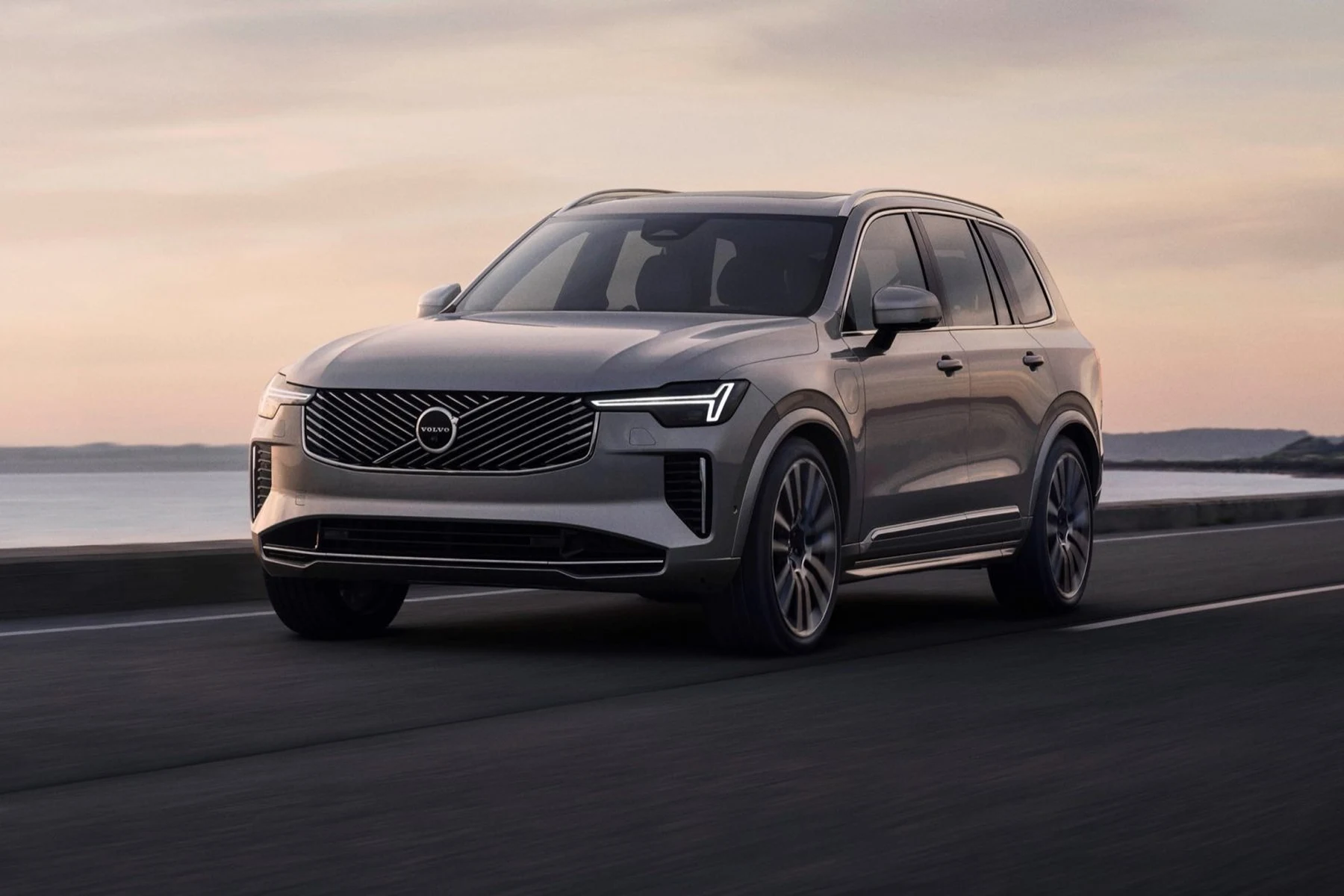
The difference between 2020 and 2021 Volvo XC90 centers on small updates: 2021 adds a 112‑mph speed limiter and Care Key, renames the T8 plug‑in hybrid to Recharge, and shuffles minor features and trims. Powertrains, Sensus infotainment and core safety tech remain essentially the same.
The 2020 Volvo XC90 brought a mid‑cycle refresh, while the 2021 XC90 largely carried it forward for the U.S. with light adjustments. That means both model years feel and drive alike, with the 2021 focused on branding, safety governance and minor equipment changes rather than hardware.
For shoppers weighing used examples, the decision comes down to value, features and the new-for-2021 speed cap. If you prefer maximum savings or no electronic top-speed limit, a well‑equipped 2020 is compelling. If you want Volvo’s Care Key and the Recharge-branded plug‑in hybrid lineup, 2021 is the cleaner pick.
Below, I break down what changed, what didn’t, how pricing and ownership costs compare, and which model year fits different buyers best in the U.S. market.
- Main difference: 2021 adds a 112‑mph speed limiter and standard Care Key, rebrands T8 to “Recharge,” and makes small feature and trim updates; otherwise it’s a carryover.
- Best for 2020 XC90: Buyers prioritizing value and wider availability in the used market without the 2021 speed cap.
- Best for 2021 XC90: Families wanting the Care Key teen-speed feature, the Recharge PHEV naming/trim set, and the latest minor feature tweaks.
- Cost/value: Expect a modest used‑market premium for 2021; pay it only if the car includes features you’ll actually use (e.g., air cleaner, wireless charging).
- Important caveat: Both years run Sensus, not Google built‑in. Volvo’s Android Automotive arrives later, so infotainment is effectively the same here.
Key differences at a glance: 2020 Volvo XC90 vs 2021 Volvo XC90
This section spotlights the few meaningful updates that separate these two years. Use it to verify trims, naming and day‑to‑day ownership changes before you shop.
| Category | 2020 Volvo XC90 | 2021 Volvo XC90 |
|---|---|---|
| Top speed policy | No global 112‑mph cap | 112‑mph speed limiter standard; Care Key included |
| Plug‑in hybrid naming | T8 eAWD Plug‑In Hybrid (Twin Engine naming on some materials) | Recharge T8 branding across range |
| PHEV trims | Momentum/R‑Design/Inscription availability varies by build | Recharge adds Inscription Expression entry trim in many builds |
| Infotainment | Sensus (9‑inch portrait); Apple CarPlay/Android Auto | Sensus (same core system); still not Google built‑in |
| Driver assistance | City Safety, Pilot Assist availability similar | Carryover feature set; tuning and packaging may vary slightly |
| Air quality | CleanZone filtration available | Advanced Air Cleaner with PM2.5 sensor available on more builds |
| Device charging/ports | Wireless charging availability limited by trim; USB‑A common | Wireless charging/USB‑C availability broadened on select trims |
| Exterior details | Post‑facelift styling, wheel designs | Palette/wheel tweaks; largely identical design |
| Powertrains | T5, T6, T8 (Recharge name not yet standard) | T5, T6, Recharge T8 (same hardware) |
| EPA ratings | Similar to 2021 for like powertrains | Similar to 2020; no major efficiency change |
| Towing/space | Unchanged vs 2021 | Unchanged vs 2020 |
| MSRP when new | Baseline for this generation post‑refresh | Small year‑over‑year adjustments; Recharge trim mix can alter entry price |
| Warranty/maintenance | 4yr/50k‑mi new‑vehicle; complimentary maintenance period as per Volvo program | Same coverage terms for new vehicles when sold |
From 2021, every Volvo is electronically limited to 112 mph and includes the Care Key to set additional speed limits. That policy applies to the 2021 XC90 but not to 2020 U.S. models.
What each model year means: 2020 vs 2021 Volvo XC90
The 2020 Volvo XC90 represents the post‑refresh version of the SPA‑platform SUV with T5, T6 and T8 powertrains. It uses Sensus infotainment and Volvo’s well‑known safety suite with Pilot Assist and City Safety features available by trim.
The 2021 Volvo XC90 continues the same formula but aligns naming and policy. The T8 becomes “Recharge,” Volvo’s global electrified sub‑brand, and the 112‑mph speed cap and Care Key become standard. Some trims expand availability of the Advanced Air Cleaner and convenience tech.
What is the same between 2020 and 2021 Volvo XC90
Platform, dimensions, cabin design and the overall driving character are unchanged. Both model years use the 2.0‑liter turbocharged engines (with supercharging on T6) and the same plug‑in hybrid hardware for the PHEV.
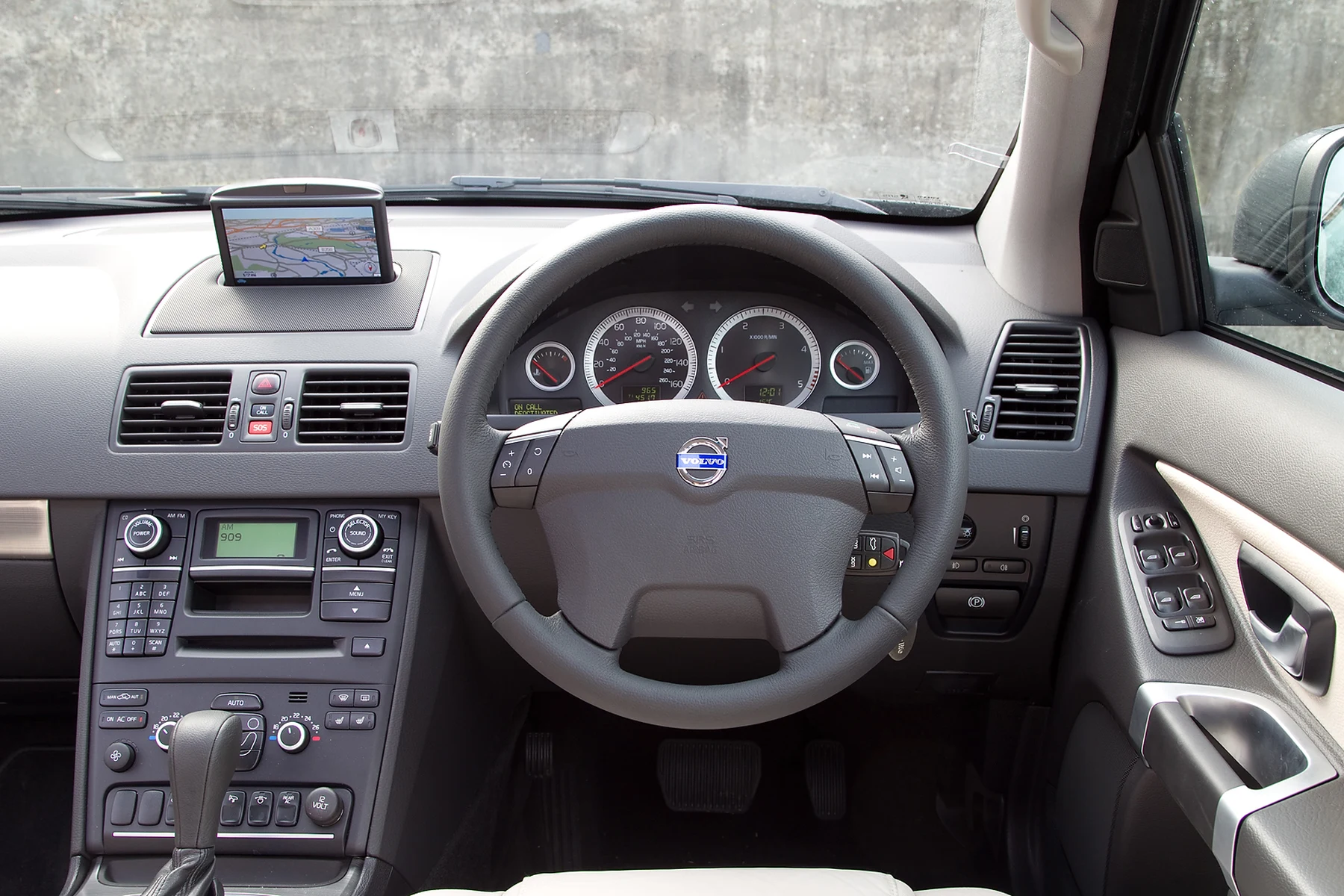
Infotainment remains Sensus on both, not Google built‑in. Apple CarPlay and Android Auto are present, and the 12.3‑inch digital driver display carries over.
Safety fundamentals stay consistent: the XC90 retains its strong crash‑test pedigree and the same advanced driver‑assistance feature set, subject to trim and package content.
Detailed differences that materially affect ownership
The biggest real‑world change is the 2021 top‑speed policy and Care Key. Households with new drivers may value the speed‑limiting key and its peace‑of‑mind benefit.
The 2021 naming shift to Recharge can also simplify shopping for the PHEV, and the Inscription Expression trim often lowers the plug‑in’s entry point compared with earlier T8 builds.
Verify U.S. market, trim and drivetrain on the window sticker. On 2021s, look for “Recharge” badging on PHEVs and the included Care Key. On both years, confirm Sensus version and feature packages rather than assuming content by trim name.
Feature availability shifts subtly. For 2021, Advanced Air Cleaner with PM2.5 readout appears more broadly, and some builds add wireless charging and USB‑C ports. If cabin health tech and easier device charging matter, a well‑optioned 2021 can feel a touch more modern.
When comparing crash‑test results, match IIHS/NHTSA ratings by trim and headlight package. Headlight performance can change ratings; do not compare a base‑headlight 2020 to an upgraded‑headlight 2021 without noting the package.
Cosmetic updates are minimal. Expect minor wheel and color changes for 2021, but sheetmetal and interior architecture are essentially the same. Ride, handling and noise levels remain aligned between both years.
- Confirm device pairing speed and Sensus responsiveness on each car.
- Check for Advanced Air Cleaner presence on 2021 and see if the PM2.5 display is active.
- Evaluate seat ventilation/heating functions and second‑row comfort for your family.
- Compare tire sizes; larger wheels affect ride and replacement costs.
Price gap and value of the upgrade
As new, 2021 pricing moved only slightly year‑over‑year, with Recharge trim strategy affecting the plug‑in’s entry point. In today’s used market, a 2021 often commands a modest premium over a like‑for‑like 2020.
Pay the 2021 premium if you specifically want the Care Key, the 112‑mph limiter policy, broader availability of the Advanced Air Cleaner, or a Recharge Inscription Expression PHEV. Otherwise, a well‑equipped 2020 typically offers better dollar‑for‑dollar value.
Tire sizes and wheel choices can swing annual costs by hundreds of dollars. Price replacement tires for the exact wheel size on the VIN you’re considering, and check insurance quotes for each model year before you decide.
Reliability, maintenance and used‑buyer implications
There are no widespread reliability splits between 2020 and 2021 because the hardware is the same. Maintenance schedules and consumables are identical by powertrain and wheel/tire selection.
Always run both years through the NHTSA recall database and confirm software updates at a Volvo retailer, especially for Sensus and driver‑assistance modules.
To plan upkeep, review our Volvo XC90 maintenance guide and adjust for your powertrain and mileage. It helps align budgets on brakes, tires and fluid services.
Volvo XC90 maintenance schedule overview gives a clear interval snapshot for common services.
Is the newer 2021 Volvo XC90 worth it over a 2020?
It depends on how much you value the 2021 policy/feature tweaks. If Care Key, the 112‑mph limiter and the Recharge trim strategy matter to you, choose a 2021 and enjoy the incremental updates.
If you simply want the XC90 experience at the best price, a clean, well‑optioned 2020 is usually the smarter buy with virtually no sacrifice in performance or tech.
2020 Volvo XC90 Pros and Cons
- Typically lower used‑market pricing for similar equipment
- No 112‑mph electronic speed cap
- Same powertrains, cabin and safety fundamentals as 2021
- Lacks standard Care Key teen‑speed functionality
- Advanced Air Cleaner and wireless charging may be scarcer
- PHEV naming/trim mix less straightforward than 2021 Recharge
2021 Volvo XC90 Pros and Cons
- Standard 112‑mph limiter and Care Key for added oversight
- Recharge branding and Inscription Expression PHEV entry trim
- Broader availability of air‑quality and device‑charging features
- Modest used‑market premium over 2020 for near‑identical hardware
- Sensus infotainment still not Google built‑in
- Electronic speed cap may deter some buyers
Which one should you choose?
How to Decide Between 2020 and 2021 Volvo XC90
- Match powertrains first. T5, T6 and T8/Recharge T8 drive alike between years; pick the output and fuel type you prefer.
- List must‑have features. If Care Key, Advanced Air Cleaner or wireless charging are musts, filter for 2021 builds that include them.
- Audit infotainment needs. Both use Sensus; if you want Google built‑in, consider newer than 2021 instead.
- Price the whole build. Include tires, insurance and any needed services. Compare actual VINs, not trim names alone.
- Run a safety and recall check. Verify IIHS/NHTSA ratings for the headlight package and check NHTSA recalls by VIN.
If you’re curious how the 2020 refresh compared with 2019, our deeper dive on that transition gives helpful context on what had already changed before 2021.
Difference between 2019 and 2020 Volvo XC90 highlights the earlier facelift and package shifts.
Looking ahead to mild‑hybrid years, understand how Volvo’s B5 and B6 systems differ from T5/T6 so you don’t mix apples and oranges while browsing listings.
Difference between B5 and B6 Volvo XC90 explains outputs, economy and ownership points.
Both 2020 and 2021 support remote start via Volvo’s app, and many builds also enable key‑fob activation. If you’ll use it regularly, confirm functionality before you buy.
How to remote start a 2021 Volvo XC90 with the key fob walks through the setup in detail.
💡 Evans Torres Tip: When you find a candidate XC90, photograph the window sticker or decode the VIN to confirm packages like Advanced Air Cleaner, headlight spec and audio system. Then call a Volvo service department to ask if all Sensus and ADAS software updates have been applied to that specific VIN.
Frequently Asked Questions
This FAQ zeroes in on the practical questions shoppers ask when deciding between these two adjacent model years. It focuses on infotainment, safety policy, powertrain naming, pricing expectations and daily‑use features.
Did the 2021 Volvo XC90 get Google built‑in infotainment?
No. Both 2020 and 2021 XC90 models use Volvo’s Sensus system with a 9‑inch portrait touchscreen. Apple CarPlay and Android Auto are available, but Android Automotive (Google built‑in) arrives on later XC90 years, not these two.
What’s the biggest safety change from 2020 to 2021?
For 2021, Volvo implements a 112‑mph electronic speed limiter and includes the Care Key that lets owners set additional speed caps. The driver‑assistance suite and crash‑structure fundamentals otherwise carry over from 2020.
Are there engine or performance differences between 2020 and 2021?
Core hardware is the same. You’ll see T5 and T6 gasoline engines and the plug‑in hybrid, which Volvo renames “Recharge T8” in 2021. Real‑world performance and EPA ratings are effectively unchanged for like‑for‑like trims.
Is the 2021 XC90 more expensive than the 2020 on the used market?
Typically, yes by a modest amount, reflecting the newer model year and trim mix. Pay the premium only if the 2021 example includes features you value, such as Care Key, Advanced Air Cleaner or specific wheel/tire and audio options.
Did towing capacity or cargo space change in 2021?
No. Packaging, dimensions and towing specs remain consistent across these two model years. Always verify the presence of the factory tow package and trailer wiring on the actual vehicle if towing is important to you.
Do both years support remote start?
Yes. Both 2020 and 2021 XC90 models support remote start via Volvo’s app, and many configurations support key‑fob start. Confirm availability and activation on the specific VIN you’re considering before purchase.
What changed for the plug‑in hybrid specifically in 2021?
Naming shifts to Recharge, and an Inscription Expression entry trim often appears, improving value access to the PHEV. Hardware and EPA performance are otherwise similar to 2020’s T8 for comparable builds.
Are there common reliability differences between 2020 and 2021?
No systemic split is documented. Both share the same platform and powertrains. Check NHTSA for VIN‑specific recalls, and verify that all software updates and maintenance have been performed as per Volvo’s schedule.
Final Verdict
If you want the best value with virtually no compromise in performance, infotainment or safety tech, the 2020 Volvo XC90 is the smarter buy. It avoids the 2021 speed cap and typically costs less on the used market for the same comfort and style.
Choose a 2021 if the Care Key, the 112‑mph limiter policy and the clearer Recharge PHEV lineup matter to your household. Also prioritize 2021 if you find a build with Advanced Air Cleaner, wireless charging or the exact wheel and audio options you want.
Otherwise, shop both years by VIN, compare actual equipment, and let condition and maintenance history break the tie. In most garages, a great 2020 beats an average 2021.
My Top Picks at a Glance
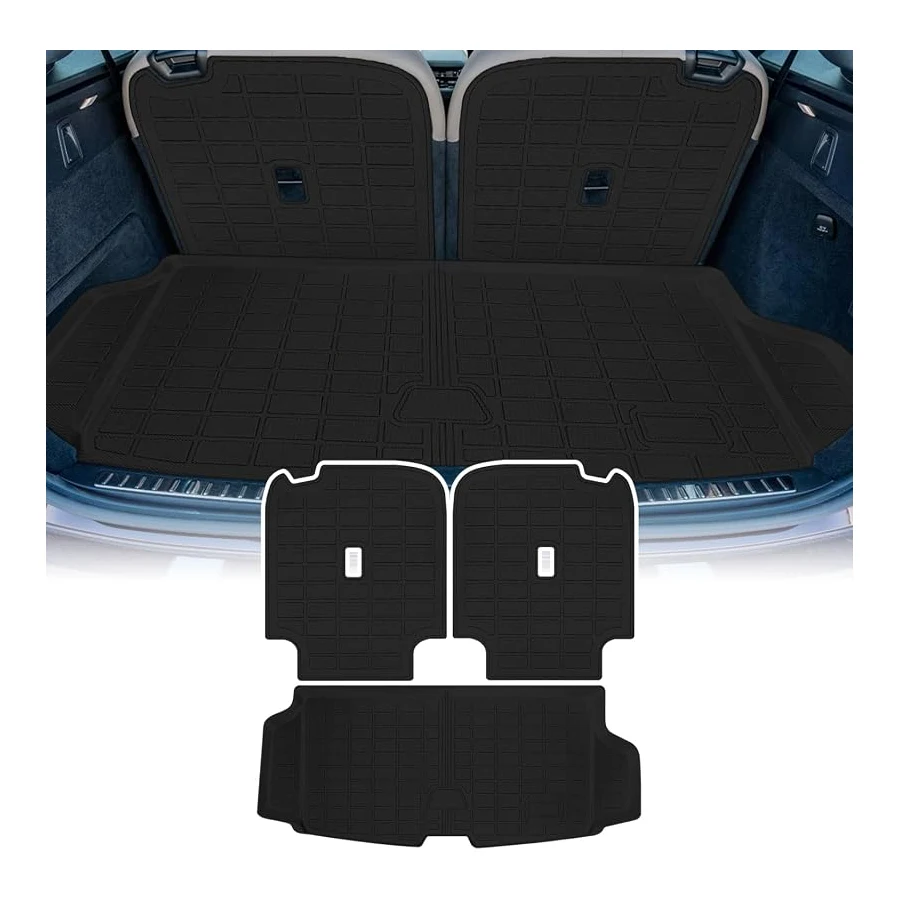
These three XC90 accessories are practical options to compare after choosing the right Volvo configuration.
 Best Overall
Custom fit Volvo XC90 2016-2026 rear seat backrest cargo liners, 3-piece split, hook-and-loop, all-weather protection.
A vehicle-fit accessory to compare for compatibility, daily usefulness, and value.
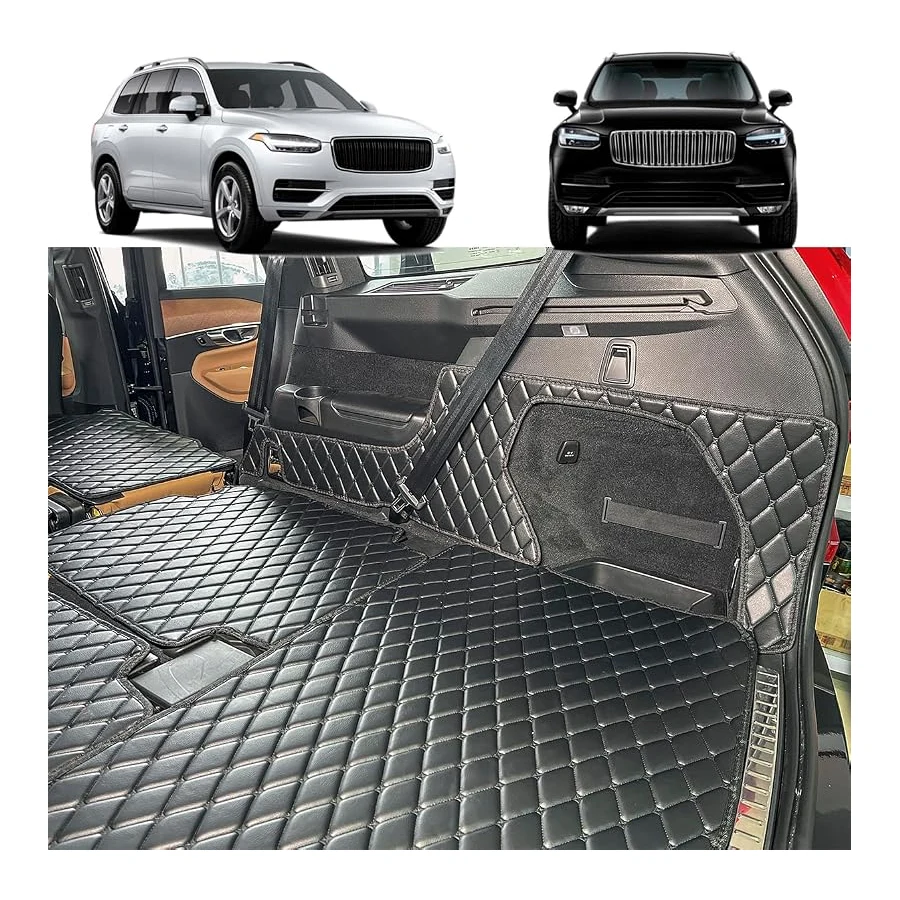 Best Value
Volvo XC90 2016-2025 cargo mat with left and right side panel liners, custom fit, all-weather protection.
A vehicle-fit accessory to compare for compatibility, daily usefulness, and value.
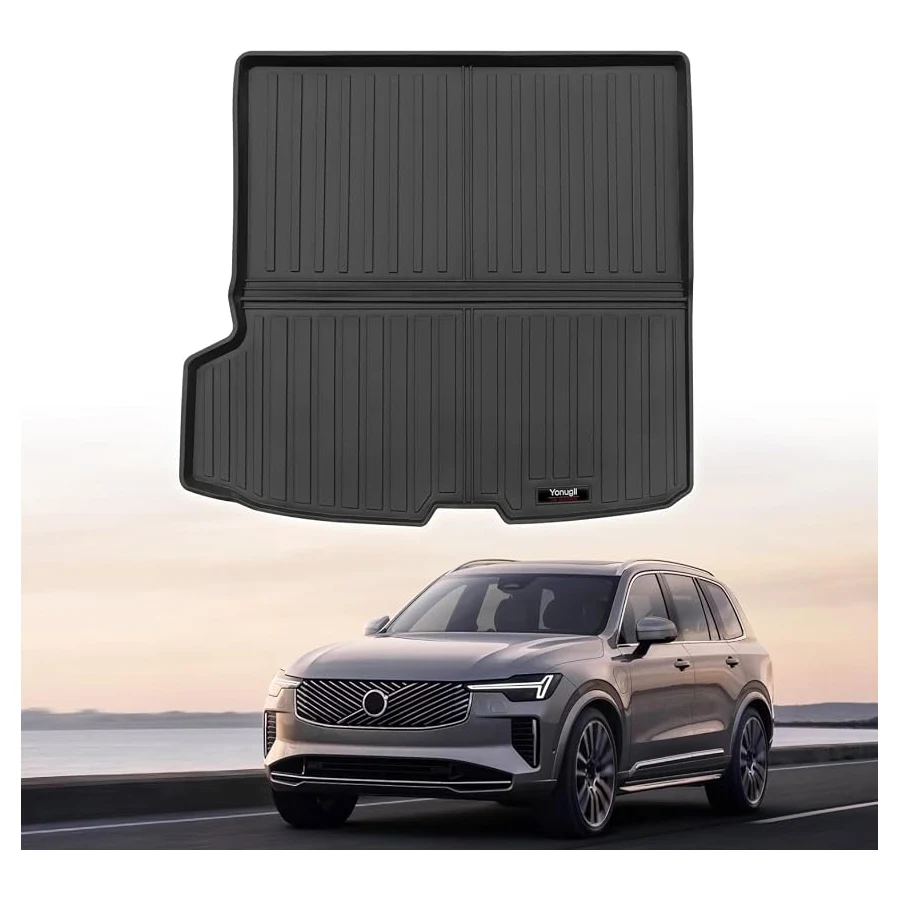 Best Premium Option
Volvo XC90 2016-2026 cargo trunk liner behind 2nd row, custom fit TPE, waterproof all-weather protection.
A vehicle-fit accessory to compare for compatibility, daily usefulness, and value.
Sources and Methodology
This comparison targets U.S.‑market 2020 and 2021 Volvo XC90 models. I matched trims and powertrains where possible and focused on changes that affect ownership. Data sources include official Volvo media materials, EPA fuel‑economy listings and IIHS safety data. Pricing is discussed qualitatively to avoid outdated MSRPs. All information was reviewed for accuracy in August 2026.
Author

Author

Evans Torres
I’m Evans Torres, an automotive engineer who loves Volvo cars. I graduated in Automotive Engineering from USC. I have worked in the car industry for years and now share my knowledge on The Volvo Life. I started this blog to connect with other Volvo fans. I offer tips, news, and advice to help you care for your car. My goal is to help you keep your Volvo in great shape and find all the best things about it. Join me as we discover everything Volvo has to offer!