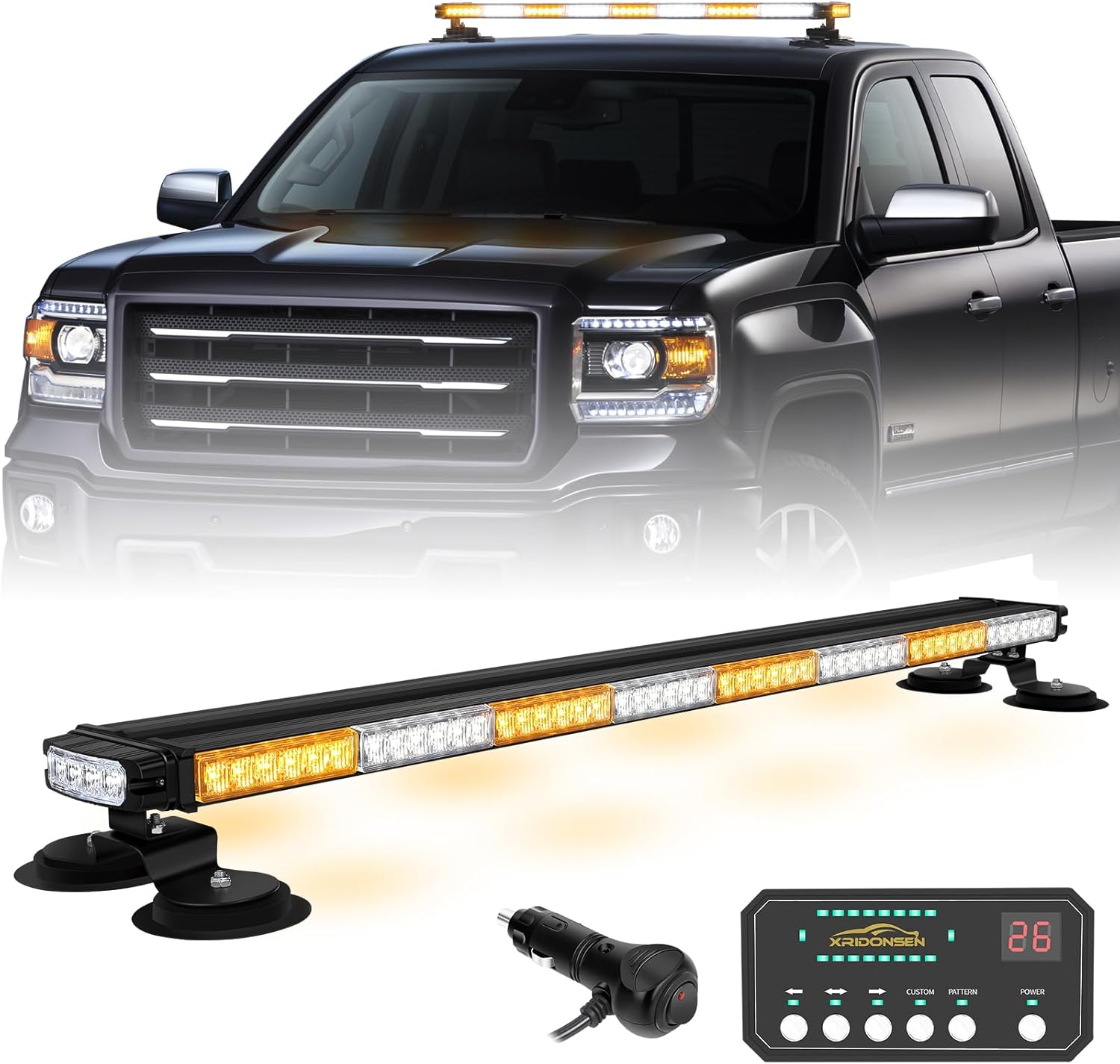



d jump starter for volvo s60 — a 12V lithium booster rated 1500–2000 peak amps fits best. Pick reverse‑polarity‑protected clamps and 60–80Wh capacity; go 2000A for T6/T8 or sub‑freezing winters. Use the S60’s under‑hood jump posts, not the trunk battery terminals.
A parked S60 that clicks once and dims the lights doesn’t need a tow — it needs cold‑cranking power on tap. Modern lithium jump starters weigh a pound or two yet deliver enough current to wake T5, T6, and even T8 PHEV 12V systems. This connects closely with what is the best coolant for 2007 Volvo S60 2 5t if you want to compare the topic in more detail.
This guide sizes a jump starter specifically for the Volvo S60, covers safe hookup steps, winter storage habits, diesel/hybrid notes, and where to buy without getting a clone.
- Main point: For Volvo S60, a 12V lithium jump starter with 1500–2000A peak and reverse‑polarity protection is the best all‑round choice.
- Best first step: Use the S60’s designated under‑hood positive post and a clean chassis ground; avoid clamping directly to the trunk battery.
- Cost or value: Quality units run $90–$180; expect 3–5 years of service if recharged every 2–3 months.
- Who it suits: Daily S60 commuters, cold‑climate owners, and T8 PHEV drivers who only need to energize the 12V system.
- When to get help: If the S60 needs two jumps in a week, test/replace the main battery and alternator rather than relying on a booster.
Wants a compact, reliable booster to avoid waiting for roadside help when a battery sags.
Faces sub‑freezing starts; needs a 2000A unit that holds charge and delivers in low temps.
Replacing an aging S60 battery soon and wants a safety net during testing and setup. You can also use best convertible car seat for Volvo S60 latest model as a helpful next guide on the same ownership topic.
What a Jump Starter Does for a Volvo S60 vs. a Battery Charger
A portable jump starter is a high‑current 12V power pack that helps the S60 crank immediately. It provides a short burst of hundreds of amps to spin the starter and wake modules.
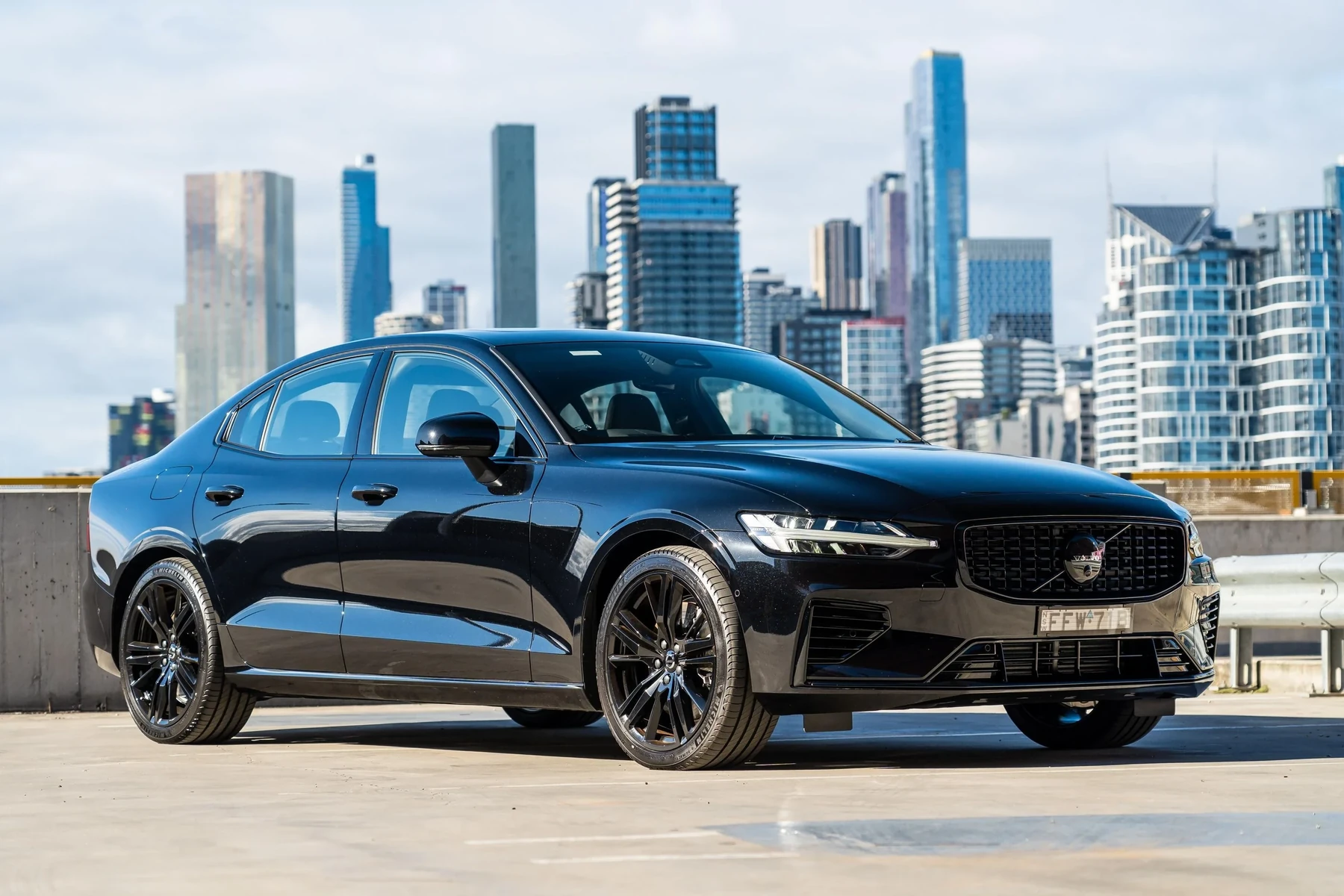
A battery charger is different. Chargers refill a weak battery slowly over hours; they don’t deliver the instant current kick needed roadside. Keep a charger in the garage, but a jump starter in the car.
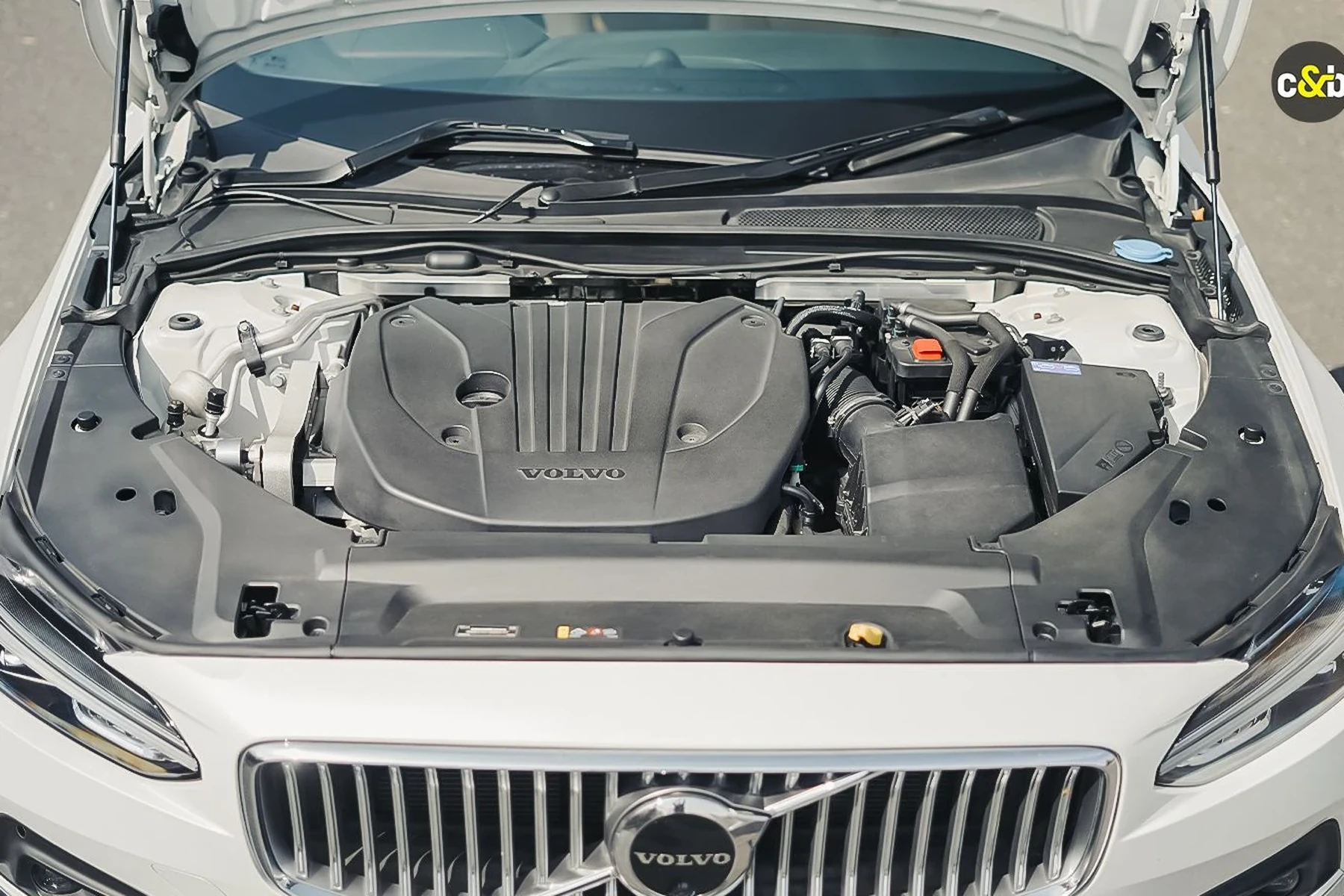
Most S60 generations place the main battery in the trunk, but Volvo provides dedicated under‑hood jump posts. Using these posts reduces voltage drop and avoids sparks near the battery vent.
Why Volvo S60 Owners Should Keep a Jump Starter
Short‑trip driving, aging AGM batteries, and winter mornings are a perfect recipe for a low state of charge. A glovebox‑sized booster turns a no‑start into a two‑minute detour.
Parking outdoors or traveling also raises the stakes. An S60 with lights left on overnight can still be revived safely via the under‑hood posts with a properly sized unit.
Here is a summary of the key times an S60‑sized booster genuinely pays for itself. Focus on your engine, climate, and driving pattern to choose the right amp rating.
In most S60 cases, 1500A covers mild climates and T5 engines; 2000A is the safer choice for T6, Polestar, and cold weather.
| Situation | Symptom | Benefit of a Booster | Suggested Peak Amps |
|---|---|---|---|
| Winter street parking | Slow crank or single click | Immediate cold‑crank assist | 2000A |
| Older AGM (4–6 years) | Random morning no‑start | Gets you going, buy time to test battery | 1500–2000A |
| Short trips, heavy accessories | Low SOC, dim lights | Restores start without a tow | 1500A |
| S60 T6/Polestar | Higher starter load | Handles bigger inrush current | 2000A |
| S60 Recharge (T8 PHEV) | 12V system flat | Energizes 12V to boot HV safely | 1500–2000A |
| Airport long‑term parking | No crank after a week+ | Self‑recovery without jump leads | 1500A |
Best Jump Starter Types for Volvo Cars and SUVs
Lithium‑ion smart boosters are the best balance of power, size, and price for the S60. They add reverse‑polarity and short‑circuit protection so you can clamp confidently on the roadside.
Lead‑acid “jump boxes” work too, but they’re heavy and lose charge faster in storage. For an S60 trunk, lithium is the easy pick.
Use this quick comparison to match type to your engine and climate. Aim one tier higher if you routinely see sub‑20°F mornings.
| Type | Typical Peak Amps | Best For | Approx. Price | Verdict |
|---|---|---|---|---|
| Compact lithium | 1000–1200A | T5, mild climates, occasional use | $70–$110 | OK starter kit; marginal in deep cold |
| Mid lithium | 1500A | T5/T6 mixed climates | $100–$150 | Great balance for most S60 owners |
| Heavy‑duty lithium | 2000–3000A | T6/Polestar, winter, frequent use | $130–$200 | Best all‑weather choice |
| Lead‑acid jump box | 700–1700A | Garage use, infrequent carry | $90–$180 | Bulky; fine at home, less for trunk |
Volvo Model‑Based Jump Starter Guide (With S60 Focus)
For the S60 across generations (P2 2001–2009, P3 2011–2018, SPA 2019+), the same 12V lithium unit applies — the difference is sizing and jump‑point location. Use under‑hood posts; do not clamp directly to trunk battery unless the manual instructs.
Older 2.4/2.5T engines typically start well with 1500A. T6/Polestar trims and cold states benefit from 2000A headroom for cleaner cranks.
- S60 T5 (all years): 1500A minimum; 2000A preferred for winter or aging batteries.
- S60 T6/Polestar: 2000A recommended; higher starter draw and cold‑start load.
- S60 Recharge (T8 PHEV): 1500–2000A to energize the 12V system; never touch HV components.
- Under‑hood jump posts: Passenger‑side fuse/relay area on many years — confirm in your manual.
Worried about triggering the horn? See our step‑specific S60 walkthrough to jump‑start a 2012 S60 without setting off the alarm.
S60s with trunk‑mounted batteries are designed to be jump‑started from the under‑hood posts. This route reduces the risk of sparking near battery gases and offers a better ground path.
Jump Starters for Volvo Diesel, Hybrid, and Electric Models
European‑market S60 diesels (D4/D5) have higher compression and benefit from 2000A units, especially in winter. In the USA, most S60s are gasoline; 1500–2000A remains the sweet spot.
S60 Recharge (T8 PHEV) owners only jump the 12V system to wake the high‑voltage pack’s contactors — never clamp to or “jump” the HV battery. Use the standard under‑hood 12V posts.
Never attempt to jump a hybrid’s high‑voltage battery. Only use a portable booster on the 12V system at the designated posts. A swollen, cracked, or leaking 12V battery should not be jump‑started — replace it safely instead.
Full EVs (EX30/EX40/EC40/EX90) don’t need a traditional jump to crank, but they still have a 12V system. A small 1000–1500A booster can wake their 12V network in an emergency per the owner’s manual.
What Size Jump Starter Do You Need for a Volvo S60?
Peak amps, actual cranking amps, temperature, and engine displacement all matter. For S60 owners, prioritize 1500A+ peak with smart safety circuitry; bump to 2000A for T6 or frequent sub‑20°F starts.
Capacity (Wh or mAh) affects how many attempts you get per charge. Around 60–80Wh typically provides 2–5 crank attempts on an S60.
- Mild climate (above 20°F), T5: 1500A peak, ~60Wh battery.
- Cold climate (below 20°F), T5/T6: 2000A peak, ~70–80Wh battery.
- PHEV (T8): 1500–2000A; you’re energizing 12V circuits, not cranking a big starter.
- Check for reverse‑polarity, spark‑proof clamps, and short‑circuit protection — non‑negotiable features.
- Choose integrated flashlight and USB‑C charging; it makes glovebox upkeep easier.
- Recharge your booster every 2–3 months; set a phone reminder the day you change oil.
- Keep clamps clean; a scuffed, oily clamp raises resistance and reduces cranking amps.
How to Use a Jump Starter on a Volvo S60 Safely
The S60 provides under‑hood jump points for a reason: better access and safer grounding. These steps cover P2, P3, and SPA S60s; verify exact post locations in your owner’s manual or Volvo Support if unsure.
- Park and prep: Set the parking brake, switch everything off (lights, HVAC, radio), and pop the hood.
- Locate the posts: Find the red‑capped positive post and a solid, unpainted chassis ground point under the hood.
- Connect clamps: Red clamp to the positive post. Black clamp to the chassis ground — not the battery’s negative terminal.
- Power the booster: Turn the jump starter on. Wait a few seconds for safety checks to pass.
- Start the S60: Press the brake and start the engine. Avoid cranking longer than 5 seconds; rest 30–60 seconds if needed.
- Disconnect safely: Remove the black clamp first, then red. Let the engine idle a few minutes to stabilize voltage.
- Recharge the booster: Top the jump starter back to 100% the same day.
Clamp order matters: positive first, ground last. Disconnect in reverse. Never lean over the battery while cranking, and keep loose clothing away from moving belts and fans.
For alarm‑sensitive model years, follow an approach like our S60‑specific alarm‑friendly steps here: jump‑starting a 2012 S60 without the alarm blaring.
How to Charge and Store a Jump Starter in Winter
Lithium boosters lose effective capacity as temperatures drop. Keep yours at room temperature when possible and only move it to the car on travel days in extreme cold.
Recharge every 60–90 days, or any time the battery shows below 80%. Most units prefer storage between 32°F and 85°F; check the manual.
Where to Buy a Jump Starter for Volvo S60
Amazon and auto parts chains offer fast shipping and easy returns. Brand stores provide the latest firmware and verified accessories, while brick‑and‑mortar shops let you confirm clamp quality and cable flexibility.
Avoid suspiciously low prices and unbranded clones; these often fail to connect or lack real protection circuitry.
Buy from the brand’s official store or an authorized retailer. Counterfeit boosters look identical but frequently overstate amp ratings and skip core protections.
Jump Starter Troubleshooting
Nothing happens when you try to crank? Start with the basics: booster not charged, clamps on the wrong posts, or a poor ground are the top three causes.
In deep cold, pre‑warm the booster in the cabin for five minutes. If the S60 still won’t crank, you may have a failed battery cell, blown fuse, or starter/immobilizer fault.
- Booster dead: Recharge fully; many need 2–4 hours to top up.
- Spark‑proof lockout: Re‑seat clamps; wait for the “ready” light before starting.
- Bad ground: Move the black clamp to a clean, unpainted engine bracket or stud.
- Too small unit: Upgrade to 2000A if the engine only clicks, especially in cold weather.
Common Mistakes to Avoid — And When to Replace the Battery
Jumping a physically damaged or leaking battery is unsafe. So is clamping to painted metal or skipping the ground post and going straight to the negative terminal.
Needing two jumps within a week points to a dying main battery or a charging issue. At that point, test/replace the battery and check alternator output.
Not sure which replacement fits your S60? Start with these model‑specific picks: best battery for a Volvo S60 and the best battery for a 2012 S60 if you have the P3 generation.
Always consult your owner’s manual or Volvo Support for year‑specific jump‑point locations and cautions. Volvo’s official guidance is here: Volvo Cars Support USA.
Lithium jump starters self‑discharge far more slowly than lead‑acid packs. Stored at 50–80% and topped up quarterly, many hold enough juice for months — even through a mild winter.
For broader ownership planning on early S60s, see the factory intervals for the original turbo five‑cylinder era: 2001 Volvo S60 T5 maintenance schedule.
Before we jump into FAQs, one last tip from the driver’s seat.
💡 Evans Torres Tip: I keep a 2000A lithium booster in my S60’s trunk cubby with a short note on clamp order taped inside the lid. It’s bailed me out twice in Colorado cold snaps. Warming the pack on the passenger floor for five minutes before clamping made the difference between a click and a clean start.
Frequently Asked Questions
These answers zero in on S60‑specific sizing, hybrid safety, jump‑point locations, winter realities, and when to stop jumping and replace the battery. Use them to finalize your purchase and your plan.
What size jump starter does a Volvo S60 actually need?
For most S60s, 1500A peak is the practical minimum; 2000A is the safer all‑weather choice, especially for T6/Polestar or cold climates. Capacity around 60–80Wh gives 2–5 attempts per charge. PHEV T8 models still benefit from 1500–2000A to energize the 12V system.
Can I use a jump starter on an S60 Recharge (T8 PHEV)?
Yes — but only on the 12V system at the designated under‑hood posts. You’re not “jumping” the high‑voltage battery. The booster wakes 12V electronics so the HV contactors can engage. Never clamp to orange‑sheathed HV cables or components.
Where are the S60 jump‑start terminals located?
Most S60s provide a red‑capped positive post and a chassis ground under the hood, even if the main battery sits in the trunk. Exact placement varies by year; check the owner’s manual or Volvo Support. Using the posts is preferred over clamping directly to the trunk battery.
Will a 1000A booster start my S60 in winter?
Sometimes, but reliability drops fast below 20°F. For cold starts, choose 2000A. Cold thickens oil and increases starter load; a higher‑amp unit maintains voltage under load, improving module wake‑up and crank speed.
How often should I recharge my jump starter?
Top up every 60–90 days, or when the unit shows below ~80%. Lithium packs hold charge well, but quarterly charging keeps cells balanced and ready. Store between roughly 32°F and 85°F. Many owners set a reminder tied to oil‑change intervals.
Is it safe to clamp the black lead to the battery’s negative terminal?
Use an unpainted chassis ground point instead, as Volvo intends. Grounding away from the battery reduces spark risk near vented gases and often provides a better current path. Only go to the negative terminal if the manufacturer explicitly instructs it.
When should I stop jumping and replace the battery?
If the S60 needs more than one jump in a week, or cranks slowly even after a highway drive, the main battery is likely failing. Test it and the alternator. Choosing a fresh, correct‑spec battery is smarter than repeatedly jumping — see our S60 battery picks linked above.
Final Verdict
A 12V lithium jump starter rated 1500–2000A with smart safety clamps is the right match for every Volvo S60 trim. Use the under‑hood posts, not the trunk battery, and recharge the pack quarterly.
If you’re in a cold state or drive a T6/Polestar, choose 2000A. Need two jumps in a week? Stop boosting and test or replace the main battery — it’s cheaper than a tow and kinder to the starter.
Pick a reputable brand from an authorized seller, follow the clamp order, and you’ll turn a no‑start into a non‑event.
Author

Author

Evans Torres
I’m Evans Torres, an automotive engineer who loves Volvo cars. I graduated in Automotive Engineering from USC. I have worked in the car industry for years and now share my knowledge on The Volvo Life. I started this blog to connect with other Volvo fans. I offer tips, news, and advice to help you care for your car. My goal is to help you keep your Volvo in great shape and find all the best things about it. Join me as we discover everything Volvo has to offer!