


For better used car volvo vs subaru, Subaru generally wins for lower ownership costs, simpler AWD, and stronger resale, while Volvo delivers premium comfort, advanced safety tech, and quieter cabins—excellent value if service history is rock-solid and you prioritize refinement.
Shopping used often means trading raw specs for real-world value. Volvo and Subaru rarely battle head-to-head new, but on the used lot they’re common cross-shops—especially SUVs like Volvo XC60/XC90 versus Subaru Forester/Outback.
This guide compares reliability, AWD performance, maintenance costs, safety, and resale in the U.S. market. We stay trim- and year-specific where it matters, highlight evidence from IIHS, NHTSA, EPA, KBB and independent cost trackers, and help you decide based on your roads, budget, and long-term plans.
- Main difference: Subaru’s simpler ownership and strong resale vs. Volvo’s premium safety, comfort, and tech at lower used prices relative to original MSRP.
- Best for A: Volvo if you value quieter cabins, top-tier seats, advanced driver aids, and higher towing potential in-class—provided maintenance history is excellent.
- Best for B: Subaru if you want standard-like AWD on many models, predictable reliability, easier DIY/service, and class-leading resale in mainstream segments.
- Cost/value: Subaru usually costs less to maintain and holds value better; Volvo can be a bargain luxury buy if you budget for premium parts and service.
- Important caveat: Condition and records beat brand stereotypes—an impeccably serviced Volvo can outlast a neglected Subaru, and vice versa.
Are Volvo and Subaru direct competitors in the used market?
Not strictly. Volvo is a premium brand, while Subaru is mainstream. Price when new, interior materials, and feature packaging differ, but used buyers often compare them for safety, AWD confidence, and SUV practicality.
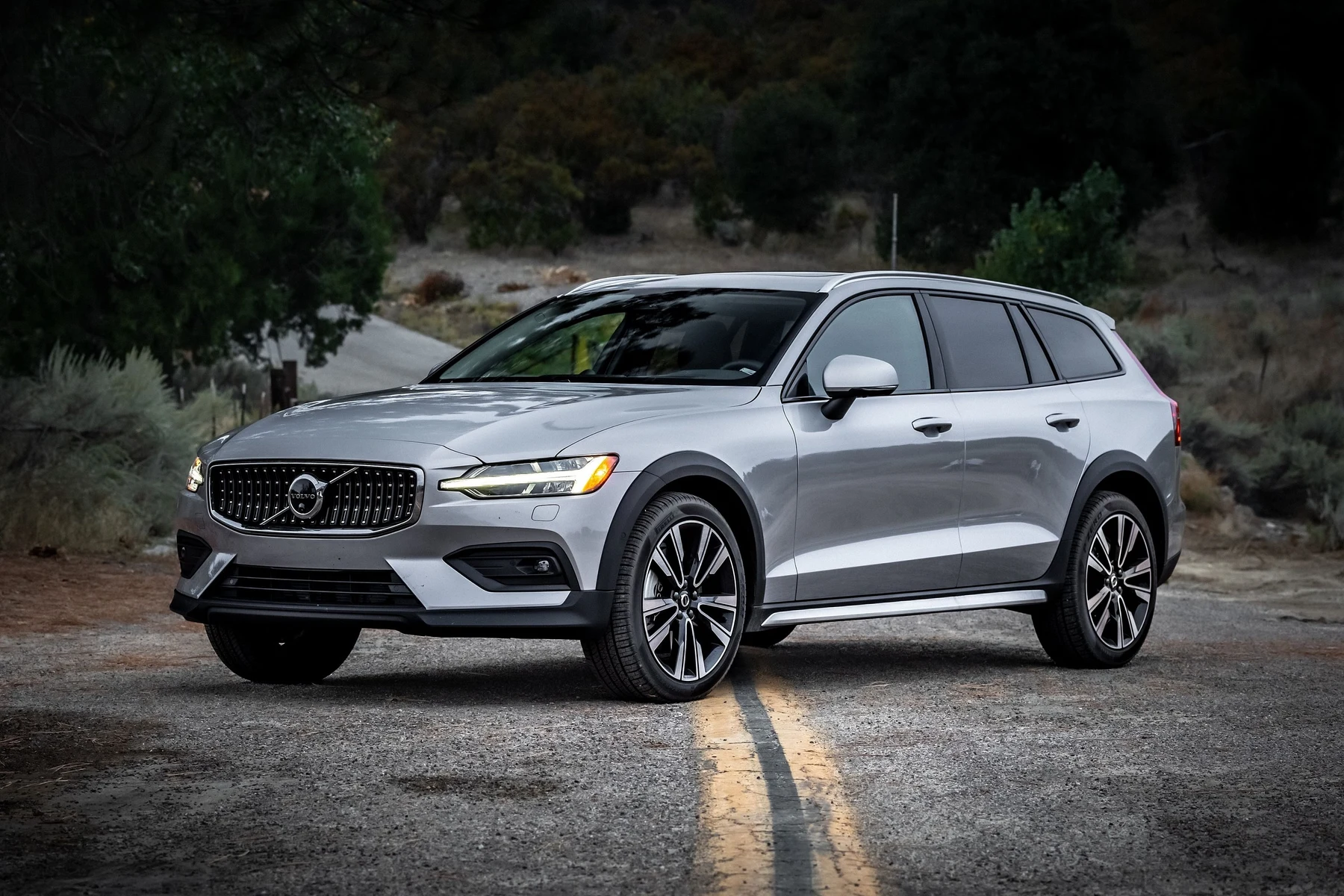
Overlap is strongest between Volvo XC60/XC90 and Subaru Forester/Outback/Ascent. If you shop by budget rather than badge, both brands can meet the same need at different price and feature points.
Volvo vs Subaru at a glance
Use this snapshot to see where each brand typically leads across the most relevant used-car factors. Always verify by model year and trim.
| Category | Volvo | Subaru |
|---|---|---|
| Brand positioning | Premium comfort, materials, and tech | Mainstream value and utility |
| AWD approach | On-demand (Haldex/AWD variants), refined calibration | Symmetrical AWD widely available, confidence-in-snow feel |
| Safety record | Frequent IIHS Top Safety Pick/TSP+ across SUVs/sedans | Frequent IIHS Top Safety Pick/TSP+ across core models |
| Driver assistance | Pilot Assist/City Safety available; rich sensor suites | EyeSight widely available; strong collision-avoidance |
| Reliability trend | Mixed to good; improves with diligent maintenance | Generally above average in core models/years |
| Maintenance/repair costs | Higher than mainstream; premium parts/tires | Typically lower; wide independent support |
| Resale value | Moderate; depreciation creates strong used value | Strong resale; slower depreciation on popular models |
| Ride/seat comfort | Excellent seats, quieter highway ride | Comfortable, more road noise in some trims |
| Infotainment | Sensus/Google-based on newer; upscale feel | Starlink; simpler, easier learning curve |
| Fuel options | Turbo 4, mild hybrid, PHEV choices (select years) | NA/CVT focus; some turbo; no PHEV in core SUVs |
| Towing (class-relative) | Often higher vs. class rivals | Generally moderate; adequate for light duty |
| Insurance | Often higher vs. mainstream | Typically moderate |
Main differences between Volvo and Subaru used cars
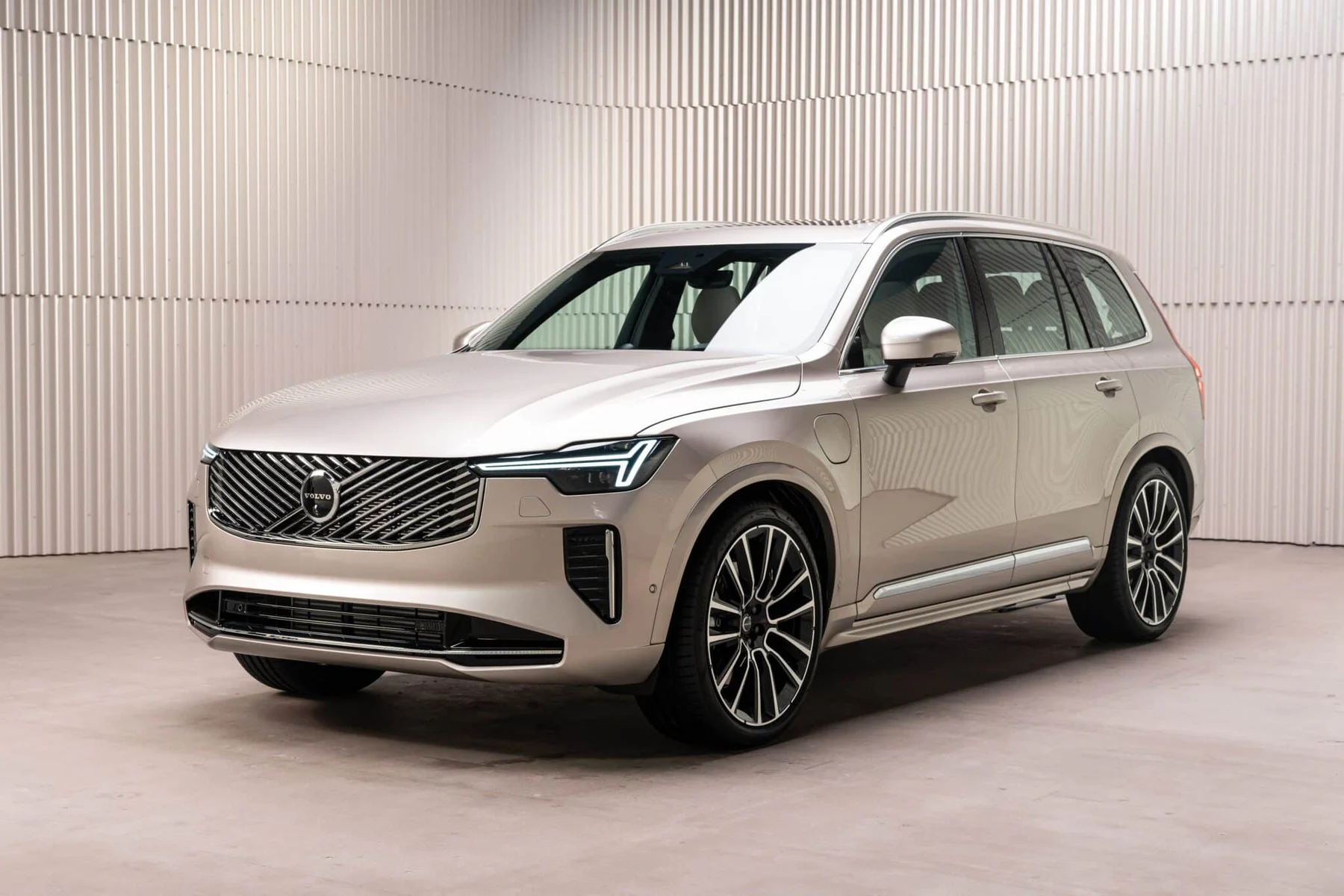
Volvo emphasizes premium safety tech, materials, and hushed cabins. You’ll often find advanced driver aids, stronger towing ratings in-class, and optional plug-in hybrids on select models—plus steeper original MSRPs that become attractive on the used market.
Subaru focuses on standard-like AWD availability, ease of ownership, and excellent resale. Running costs and independent service access are typically friendlier, and driver-assistance (EyeSight) is common on late-2010s-and-newer examples.
Similarities and common ground
Both brands earn frequent IIHS Top Safety Pick awards and deliver confident all-weather capability. Family-friendly packaging, roof rails, and thoughtful cargo solutions are common, particularly in XC60/Outback/Forester/Ascent matchups.
Both offer robust driver-assistance suites; feature content depends heavily on year and trim. Always verify standard vs. optional equipment.
Compare like-for-like: similar body style (compact vs. midsize SUV), drivetrain (AWD vs. AWD), and driver aids. An XC60 Momentum with Pilot Assist vs. a Forester with EyeSight is a fairer comparison than mixing base and tech-heavy trims.
Price, comparable trims and feature-adjusted value: Volvo vs Subaru
Used Volvo pricing often undercuts its original premium MSRP by more than Subaru’s does, creating “luxury for less.” A well-kept XC60 can cost similarly to a newer, lower-mileage Forester, depending on year and options.
When you normalize for features—leather, panoramic roof, advanced safety suites, and premium audio—Volvo’s used value can look compelling. Subaru counters with lower running costs and stronger resale, which can beat a feature-rich Volvo on total cost.
Feature-adjusted, a used Volvo with premium seating and advanced ADAS often costs what a newer, simpler Subaru does. If you plan to keep the car shorter-term, Subaru’s resale can erase much of that feature gap.
Size, seating, cargo and everyday practicality: Volvo vs Subaru
Volvo SUVs (XC60/XC90) provide refined cargo solutions, split-fold flexibility, and high-quality interior storage. The XC90 offers available third-row seating, while the XC60 hits the family sweet spot for two-row space.
Subaru’s Outback and Forester excel in square cargo areas, tall openings, and roof utility. Their visibility, low liftover heights, and practical trims fit active lifestyles, pets, and outdoor gear effortlessly.
Interior comfort, visibility and cabin usability: Volvo vs Subaru
Volvo’s seats are often best-in-class for long drives, with quieter cabins and upscale materials that hold up well when cared for. Controls feel premium, though some Sensus-era touchscreen menus have a learning curve.
Subaru prioritizes visibility, logical ergonomics, and durability. Cabin noise can be higher on coarse pavement, but switchgear is intuitive, and families appreciate the straightforward layout and easy ingress/egress.
Infotainment, controls and technology: Volvo vs Subaru
Many Volvos from the late 2010s onward use Sensus (portrait screen) or, on newer models, Google-based infotainment. Expect crisp displays and rich feature sets; check for software updates on used examples.
Subaru Starlink is simpler and generally less flashy. Apple CarPlay/Android Auto availability expands in late-2010s models. Verify exact year/trim to ensure your preferred smartphone integration is included.
- Pair your phone and test CarPlay/Android Auto.
- Engage adaptive cruise/lanekeeping on both vehicles.
- Assess screen glare, response time, and menu depth in daylight and at night.
Safety and driver assistance: Volvo vs Subaru
Both brands frequently achieve IIHS Top Safety Pick/Top Safety Pick+ ratings on core SUVs and sedans, with robust crash performance and strong headlights on many trims/years. Differences often come down to standard vs. optional driver aids.
Volvo’s City Safety and available Pilot Assist offer an upscale suite of sensors and interventions. Subaru’s EyeSight—a stereo camera-based system—has proven effective and is widely available on late-2010s-and-newer models.
Match comparable model years and confirm the same IIHS protocol generation. Verify whether AEB, blind-spot monitoring, and adaptive cruise were standard or part of packages—and confirm proper ADAS calibration after any windshield or bumper repairs.
Performance, ride, handling and drivetrain: Volvo vs Subaru
Volvo’s turbocharged four-cylinders deliver confident passing and quiet cruising; some models add mild hybrid or plug-in hybrid options. Ride tuning leans toward comfort, with optional adaptive dampers and larger wheels on higher trims.
Subaru uses flat-four engines and CVTs on most models, focusing on smoothness and traction. Symmetrical AWD inspires confidence in snow and rain, though straight-line power is typically modest outside performance models.
- Volvo: Ask about Haldex/rear-drive unit fluid service on applicable models.
- Subaru: Check for smooth CVT operation, no shudder, and proper service per the owner’s manual/TSBs.
- Scan for AWD/ABS codes and ensure even tire wear across all four corners.
Fuel economy and efficiency: Volvo vs Subaru
In gas-only trims, fuel economy often depends on size and power. Subaru’s CVT strategy returns competitive MPG in mainstream classes. Volvo’s turbo fours are efficient for their output; wheel/tire choices and AWD can shift results.
Volvo offers plug-in hybrids (e.g., select XC60/S60/V60 years) with meaningful electric-only commute potential. If you can charge at home, a used Volvo PHEV can drastically reduce fuel use on short trips.
Compare exact model year, engine, and drivetrain on the official EPA site before you buy. Real-world MPG varies with tires, altitude, and driving style.
Reliability, known issues and evidence level: Volvo vs Subaru
Subaru reliability trends above average in many core models/years, aided by simpler drivetrains and wide independent-shop support. Notable past issues include older head-gasket concerns on certain pre-2010s engines and CVT complaints in specific years; many vehicles run trouble-free with proper care.
Volvo reliability skews mixed-to-good depending on generation and maintenance. Early years of new platforms sometimes see infotainment/electrical quirks. AWD components and premium features add complexity—but well-maintained Volvos regularly achieve high mileage.
Prioritize vehicles with documented maintenance: fluids, timing components where applicable, software updates, and TSB-compliant repairs. A complete file often predicts better outcomes than brand averages alone.
Maintenance, insurance, depreciation and total ownership cost: Volvo vs Subaru
Volvo parts, tires, and labor tend to cost more, reflecting premium specifications and larger wheel/tire packages. Insurance is often higher than mainstream peers. Depreciation, however, creates attractive used pricing versus original MSRP.
Subaru usually wins on annual maintenance and insurance costs, with stronger resale in mainstream segments. Independent service availability is broad, and parts pricing is generally more approachable.
- Volvo: Budget for premium tires, ADAS sensor calibrations, and specialty fluids.
- Subaru: Price windshield/ADAS camera calibration and scheduled CVT/fluids per manual.
- Fuel: Some Volvo engines recommend premium for peak performance—verify the door-jamb label/owner’s manual.
If you’re weighing service intervals and typical line items on Volvos, our guide to Volvo maintenance schedules can help you anticipate costs and timing.
For a broader budget picture, see our analysis of Volvo maintenance costs in the USA and shortlist the best used Volvos to buy by reliability and value.
Resale and long-term value: Volvo vs Subaru
Subaru consistently earns strong resale awards in popular segments, meaning higher used prices but less value lost when you sell. That’s ideal for short- to medium-term ownership.
Volvo depreciates faster from new, creating excellent used purchase value. If you buy right and keep the car longer, the premium experience can outweigh higher repair/maintenance costs for many owners.
Volvo Pros and Cons
- Premium seats, quieter cabins, and upscale materials
- Advanced safety suites and available semi-automated aids
- Available PHEVs; strong class-relative towing
- Steep new-car depreciation creates great used value
- Higher parts, tires, and labor costs
- Complex features can add repair risk as vehicles age
- Insurance often higher than mainstream models
- Infotainment learning curve on some model years
Subaru Pros and Cons
- Strong resale and predictable ownership costs
- Symmetrical AWD confidence and great visibility
- Wide independent service network; easy to live with
- EyeSight driver-assistance widely available
- Cabin noise can be higher, materials more utilitarian
- Powertrains focus on efficiency over speed
- Some model-year CVT or engine concerns—verify records
- Fewer luxury/tech features at the same price point
Which vehicle is better for different buyers?
Alternatives worth considering
If you’re undecided, look at Toyota RAV4/Highlander and Honda CR‑V/Pilot for mainstream reliability and resale benchmarks. Luxury-adjacent buyers might also consider Acura or Lexus if premium feel with lower ownership risk is the goal.
Certified Pre‑Owned (CPO) programs from either brand can help de‑risk electronics and drivetrain components, especially on tech-heavy Volvos and CVT-equipped Subarus.
How to Decide Between Volvo and Subaru
- Define the mission: commute distance, cargo needs, climate, and towing.
- Fix a total budget: purchase plus 3–5 years of fuel, tires, insurance, and maintenance.
- Shortlist by records: prefer single-owner, accident-free, fully documented service history.
- Drive back-to-back on identical routes, test ADAS, ride noise, and visibility.
- Scan with a pro: pre-purchase inspection with AWD/drivetrain checks and code scan.
Before we jump into the FAQs, one last practical pointer can save you thousands over the life of the car.
💡 Evans Torres Tip: Price the “full build,” not just the car. Get quotes for tires in the exact wheel size, insurance with VIN-specific safety/ADAS, and any known services due within 12 months (brakes, fluids, spark plugs, timing components). A cheaper purchase that needs $1,800 of near-term work isn’t the bargain it appears.
Frequently Asked Questions
These answers focus on U.S. used-market shoppers comparing late-2010s to early-2020s Volvo and Subaru models. Exact outcomes depend on model, year, mileage, region, and records. When in doubt, verify specs on official sites and get a pre-purchase inspection to confirm condition and feature operation.
Which is more reliable past 100,000 miles: Volvo or Subaru?
Trendlines favor Subaru for fewer expensive surprises, but condition rules. Volvos with meticulous maintenance (fluids, software updates, wear items) can be exceptionally durable. Favor single-owner cars with complete records and have a technician assess drivetrain, cooling, electronics, and suspension before purchase.
Whose AWD is better in snow: Volvo or Subaru?
Both systems perform well with proper tires. Subaru’s Symmetrical AWD delivers a planted, predictable feel many snow-belt owners love. Volvo’s AWD varies by model but offers refined traction management. In real winter driving, quality winter tires often matter more than the brand of AWD.
Are maintenance and repair costs higher on Volvo than Subaru?
Generally yes. Volvo’s premium parts, larger wheels/tires, and complex features increase costs. Subaru’s mainstream parts and wider independent-shop network keep bills lower. That said, a well-bought Volvo can offset higher upkeep with lower initial used pricing versus its original MSRP.
Which holds value better over time?
Subaru typically boasts stronger resale in mainstream segments, which helps short- and mid‑term owners. Volvo depreciates faster from new, creating strong used-buy value. If you keep a car longer and buy a well-maintained Volvo at the right price, total value can be compelling.
How do Volvo’s and Subaru’s safety systems compare used?
Both earn frequent IIHS awards, with effective collision-avoidance tech. Volvo’s City Safety/Pilot Assist and Subaru’s EyeSight differ in sensors and interface but aim for similar outcomes. Verify standard vs. optional equipment and confirm proper ADAS operation and calibration on the specific car.
Do Volvos require premium fuel?
Some Volvo turbo engines recommend premium for peak performance, though operation on regular may be permitted with reduced output. Always check the fuel label and owner’s manual for the exact engine. Subaru engines commonly run on regular, but confirm by year and model.
Is CPO worth it for either brand?
CPO can be valuable for tech-heavy Volvos and CVT-equipped Subarus, providing warranty coverage against higher-cost repairs. Compare coverage length, deductible, and transferability. In all cases, inspect the car independently—CPO is helpful but not a substitute for a thorough evaluation.
Which is cheaper to insure?
Subaru is often cheaper due to mainstream repair costs and parts pricing. Volvo premiums can be higher, especially on models with extensive sensors and expensive lighting. Get VIN-specific quotes for both finalists before deciding—rates vary by driver profile and region.
Final Verdict
If you want the lowest-friction ownership with excellent resale and confident AWD, Subaru is the safer overall bet. You’ll trade some cabin hush and luxury features, but you gain predictable costs and wide service access—ideal for short- to mid‑term ownership.
If you crave premium comfort, top-tier seats, advanced safety tech, and the option of a PHEV, a well-documented Volvo can be a stellar used buy. Budget realistically for maintenance and confirm records on AWD, software, and wear items. Choose the Volvo when the paperwork is perfect and the drive feels special.
My Top Picks at a Glance
These three Volvo accessories are practical options to compare after choosing the right Volvo configuration.
 Best Overall
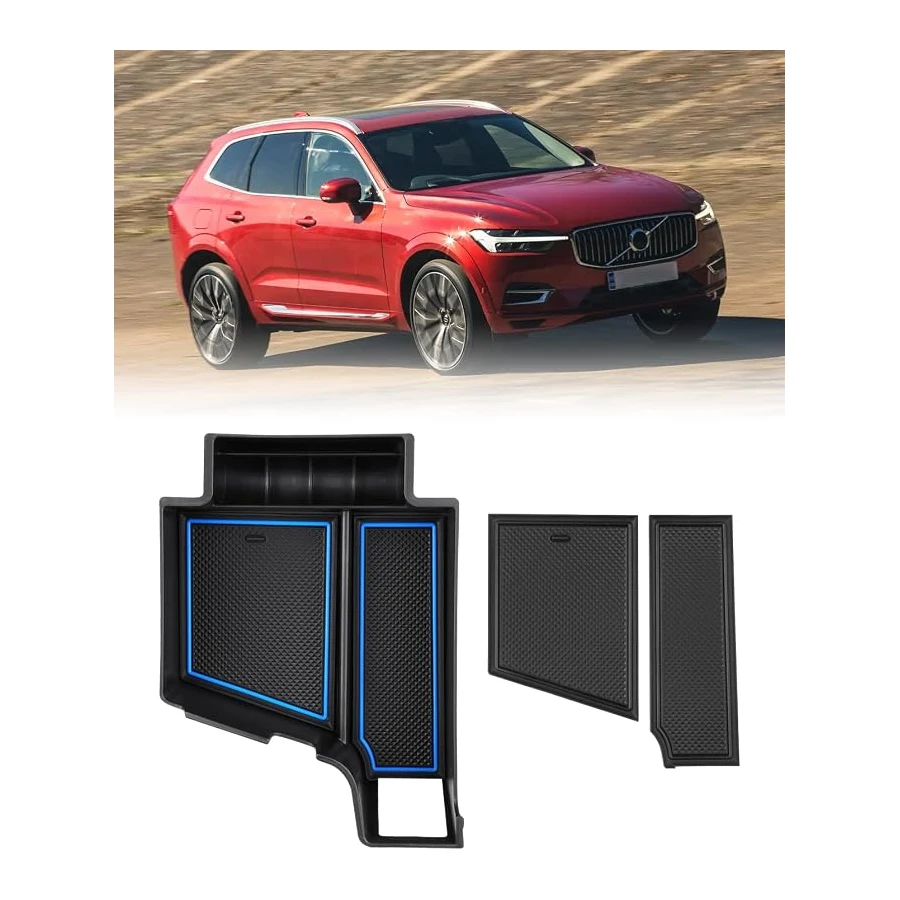
FIILINES center console organizer for Volvo XC60/XC90/S90/S60/V60/V90, ABS armrest insert with anti-slip mats
A vehicle-fit accessory to compare for compatibility, daily usefulness, and value.
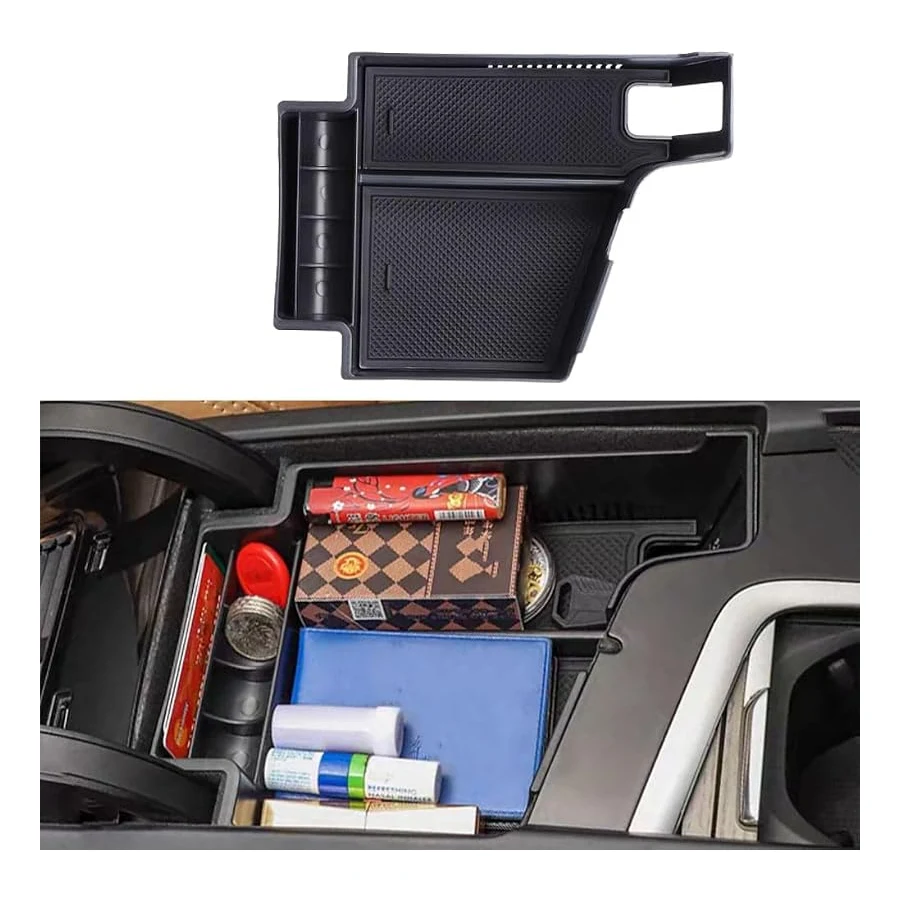 Best Value
Center console armrest organizer tray for Volvo XC60/XC90/S60/S90/V60/V90, adds layered storage, easy install
A vehicle-fit accessory to compare for compatibility, daily usefulness, and value.
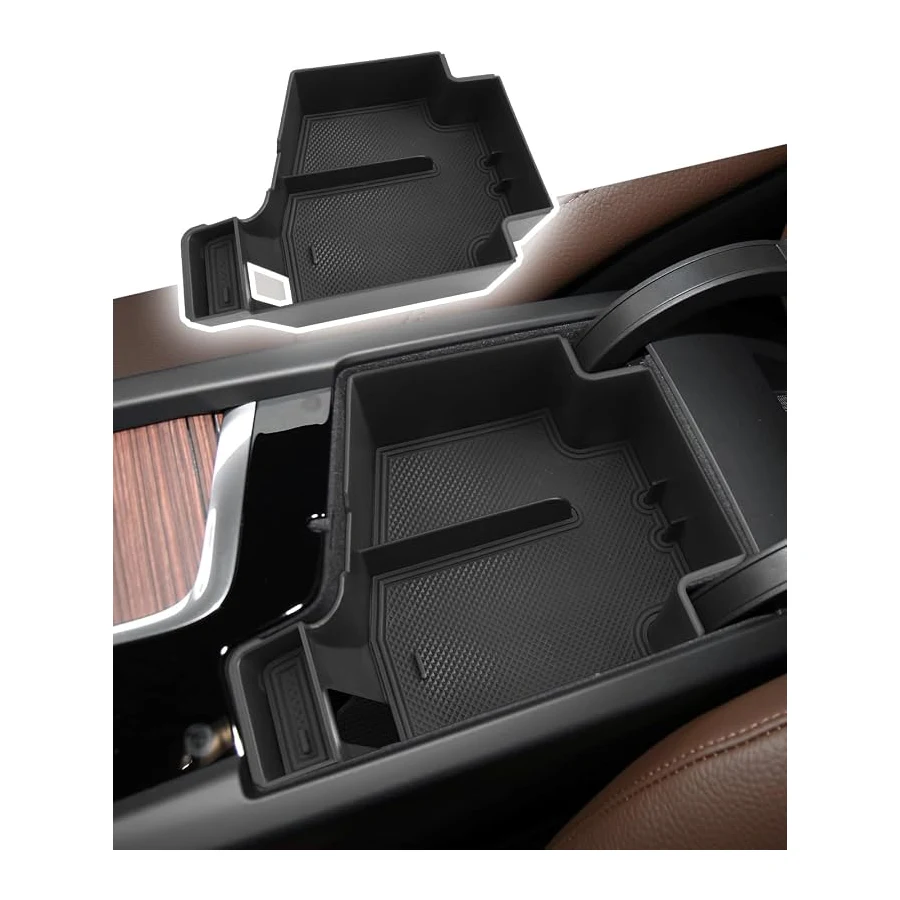 Best Premium Option
CDEFG center console organizer tray for 2024-2026 Volvo XC60/S90/V90, armrest insert adds tidy storage
A vehicle-fit accessory to compare for compatibility, daily usefulness, and value.
Sources and Methodology
U.S. used-market focus on 2015–2023 model years commonly cross-shopped (XC60/XC90 vs. Forester/Outback/Ascent, plus sedans). We compared official specifications with EPA fuel data, IIHS safety results, and widely cited resale/ownership-cost references. Reliability notes reflect multi-year trends and documented issues; outcomes vary by exact vehicle, maintenance, and region. Data verified August 2026.
Author

Author

Evans Torres
I’m Evans Torres, an automotive engineer who loves Volvo cars. I graduated in Automotive Engineering from USC. I have worked in the car industry for years and now share my knowledge on The Volvo Life. I started this blog to connect with other Volvo fans. I offer tips, news, and advice to help you care for your car. My goal is to help you keep your Volvo in great shape and find all the best things about it. Join me as we discover everything Volvo has to offer!