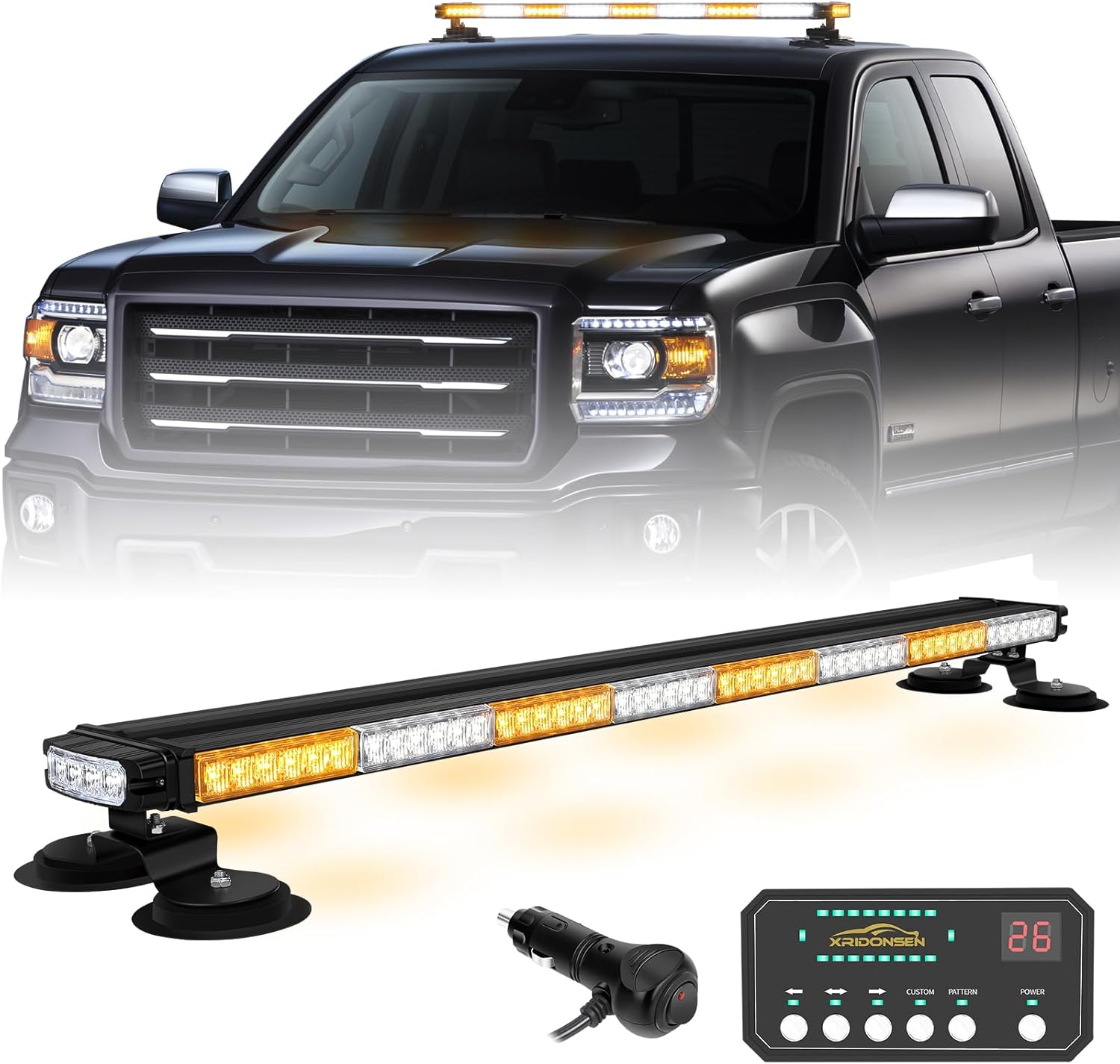



jump starter for volvo fuel pump — pick a 12V lithium booster rated 2000–3000 peak amps; it will deliver stable voltage to crank the engine so the in-tank fuel pump can prime. For diesels or deep winter, step up to 3000A or a 24V-capable unit for Volvo Trucks.
A weak 12V battery can drop below the voltage your pump and ECU need to wake up, so the engine never gets fuel pressure. A quality jump starter restores cranking voltage long enough for the pump to prime and the car to fire. This connects closely with is scanner for Volvo XC90 if you want to compare the topic in more detail.
This guide shows exactly which jump starter size fits Volvo cars, SUVs, diesels, hybrids, and heavy equipment. You’ll also get safe connection steps, winter storage tips, and when a persistent no-start means a fuel pump or other fault needs attention. You can also use do scanner for Volvo exist as a helpful next guide on the same ownership topic.
- Main point: Most Volvo gas cars and SUVs are best served by a 12V lithium jump starter rated 2000–3000A peak for reliable cold cranking and pump priming.
- Best first step: Charge the booster to 100%, connect at the Volvo’s designated jump posts, and crank within 30 seconds so the fuel pump can prime.
- Cost or value: Expect $80–$200 for a solid 12V lithium unit; heavy-duty diesel/24V fleet boosters run $250–$600.
- Who it suits: Daily commuters, cold-climate owners, and anyone with a 4–6-year-old AGM battery benefit most.
- When to get help: If the car needs multiple jumps in a week or still won’t start with good cranking, diagnose battery/alternator or a fuel pump issue next.
Wants a compact, always-ready booster to get going quickly when the battery sags overnight.
Needs higher peak amps to overcome winter cranking loads and help the fuel system prime.
Requires commercial-grade 12V/24V capacity for large diesel Volvos and mixed-voltage yards.
What a Jump Starter Does for a Volvo vs a Battery Charger
A portable jump starter delivers a short, high-amp burst to crank the engine right now. That immediate voltage lets the ECU power up and the in-tank fuel pump build pressure.
A battery charger replenishes a weak battery over hours. Smart/maintainer chargers are great for storage or recovery, but they won’t spin the starter or wake a low-voltage pump instantly.
Think “booster for starting now” versus “charger for restoring later.” Many owners carry a jump starter and keep a maintainer at home for battery health.
Why Carry a Jump Starter in a Volvo with Possible Fuel Pump Issues
Low battery voltage causes cranking speed to drop and control modules to brown out. On many Volvos, the pump won’t prime reliably until the ECU and fuel system see stable 12V+ during start.
Cold mornings, short-trip driving, and aging AGM batteries make this worse. A booster shores up voltage, giving the starter, ECU, and pump the headroom they need to light off. If you are comparing similar topics, did scanner for Volvo need calibration is also worth checking.
AGM batteries can show 12.2V at rest yet collapse under load to under 10V during cranking. That’s enough to spin the engine slowly while starving the fuel pump and ECU — a classic “cranks but won’t start” scenario in winter.
Here’s a quick reference to match common Volvo scenarios to the right jump starter strength so the fuel system can prime and the engine can catch.
Pick the row that fits your vehicle and weather. If you regularly see temps below 10°F, go one level higher than the minimum amp rating shown.
| Scenario | What happens | How a booster helps | Suggested peak amps |
|---|---|---|---|
| Gas 4/5-cyl, mild cold | Slow crank, weak pump prime | Holds 11–12V+ during crank | 1500–2000A |
| Turbo 6-cyl/T5-T6 (SPA) | Modules brown out mid-crank | Stabilizes ECU + pump voltage | 2000–2500A |
| Severe winter start | Viscous oil, high CCA demand | Extra surge to spin faster | 2500–3000A |
| Volvo diesel (cars/SUVs) | Glow plug draw + compression | Overcomes diesel load | 2500–3000A |
| Hybrid T8 (12V only) | 12V too low to boot systems | Boots 12V; do not touch HV | 1000–1500A |
| Volvo Trucks 24V | Won’t crank at 24V | Use 24V-capable unit | Commercial 24V |
Best Jump Starter Types for Volvo Cars and SUVs
Lithium jump starters are the go-to for Volvo owners. They’re compact, recharge over USB or wall power, and deliver big peak amps for their size.
Heavy-duty lithium or ultracapacitor units suit larger engines and extreme cold. Traditional lead-acid “jump boxes” work, but they’re heavy and lose charge faster in storage. For another practical angle, see do scanner for Volvo work with all models.
- Compact lithium (1000–1500A): Fine for small gas engines and warm climates; light and budget-friendly.
- Mid-size lithium (2000–2500A): Best all-rounder for XC60/S60/S90 and many XC90s; strong cold-weather performance.
- Heavy-duty lithium (3000A+): For severe cold, older high-compression engines, or diesel cars/SUVs.
- 24V commercial: Required for Volvo Trucks and certain construction equipment; not for passenger cars.
- Buy rated peak amps with real clamp gauge; thin clamps waste power and overheat.
- Prioritize models with reverse-polarity and short-circuit protection for safe use.
- Check cable length — 12–18 inches gives room to reach Volvo jump posts cleanly.
- Recharge after every use and every 2–3 months in storage to keep capacity.
Volvo Model-Based Jump Starter Guide
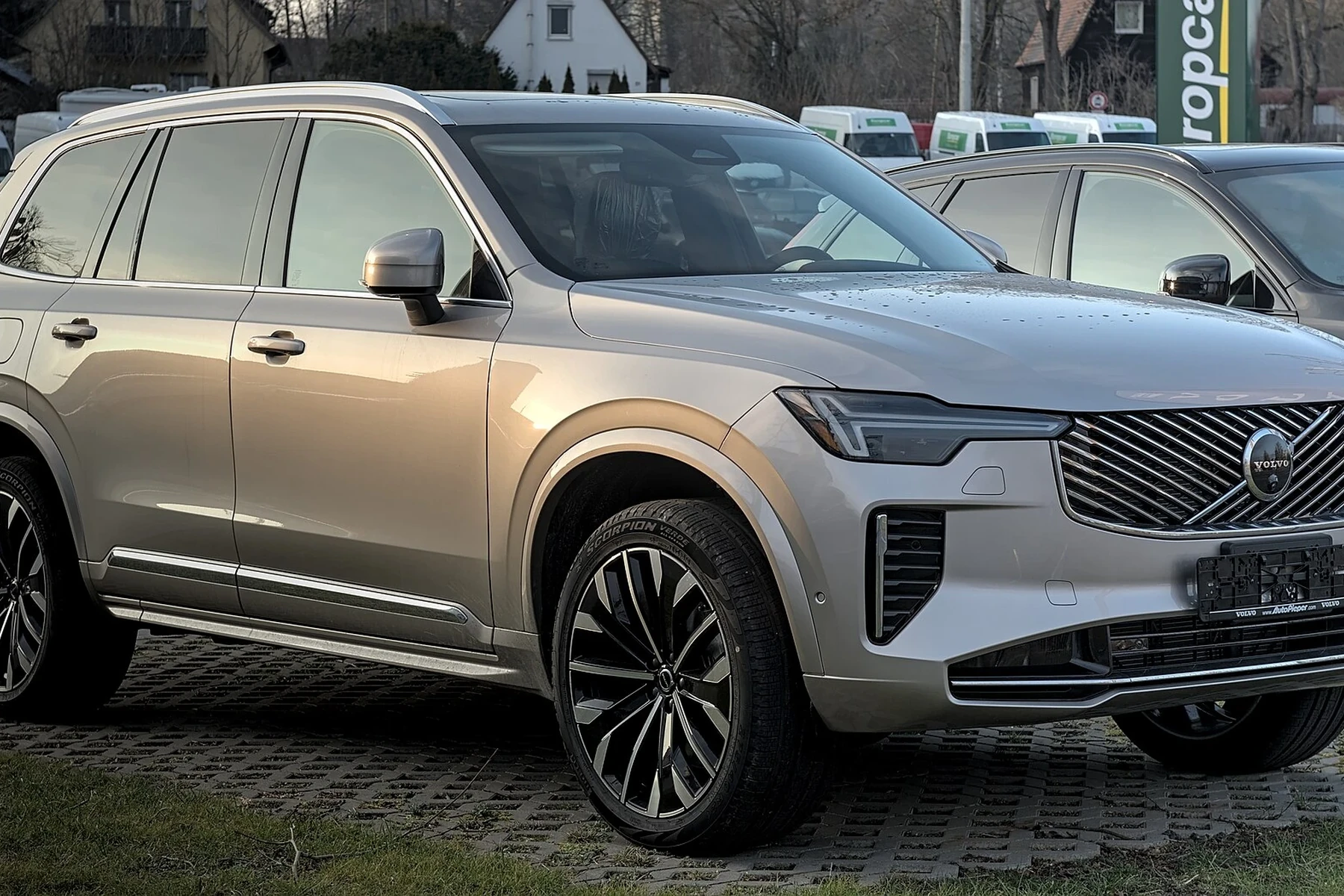
Most modern gas Volvos (SPA/CMA platform) start reliably with 2000–2500A peak lithium boosters. Older P2/P1 cars with aging wiring or larger turbos may appreciate the next size up.
Use these quick picks as a sizing compass, then consider your climate and battery age.
- XC90 (T5/T6/T8): 2000–2500A; go 3000A in deep winter or for older P2 V8s.
- XC60/XC40 (gas): 1500–2000A typical; 2000–2500A for colder regions.
- S60/V60/S90/V90 (gas): 1500–2000A; step to 2500A if battery is 5+ years old.
- Older P2/P1 (S80, V70, S40/V50, C30/C70): 2000A minimum; 2500A helps offset age-related voltage drop.
- Diesel D5/D4 (Europe): 2500–3000A recommended for glow plug + compression load.
Diesel engines need more peak amps than gas engines. Hybrids (T8) are jumped only at the 12V posts. Full EVs (EX30/EX40/EX90) generally don’t need a traditional jump — they have a small 12V system that may be supported, but never touch the high-voltage pack.
Jump Starters for Volvo Diesel, Hybrid, and Electric Models
Diesel Volvos draw more cranking current due to higher compression and glow plugs. Choose 2500–3000A peak for consistent winter starts.
Recharge/T8 hybrids use a conventional 12V for control modules. You boost only the 12V jump posts. The high-voltage battery is never jumped.
Fully electric EX-series models don’t use a starter motor. A conventional jump starter is usually unnecessary beyond supporting the 12V accessory system per Volvo’s manual.
Never attempt to “jump” or probe a hybrid/EV high-voltage battery. Only connect at the designated 12V jump points described in the Volvo owner’s manual or official Volvo Support guides.
Jump Starters for Volvo Trucks and Heavy Equipment
Volvo Trucks and many construction machines are 24V systems and require commercial-grade 12V/24V boosters or slave-start procedures. A consumer 12V car jump starter will not work.
For large diesel equipment, consult fleet service procedures or a qualified heavy-duty technician. Incorrect 24V boosting can damage ECUs and alternators.
What Size Jump Starter You Need: Amps, Voltage, Engine, Cold
Five factors decide sizing: system voltage (12V vs 24V), engine size and type (gas vs diesel), temperature (CCA demand rises as temps fall), battery age/health, and cable/clamp quality.
As a rule, 2000–2500A peak suits most gas Volvos in the USA, while diesels and severe cold starts are better served by 2500–3000A.
- System voltage: 12V for Volvo cars/SUVs; 24V for Volvo Trucks/heavy equipment.
- Engine type: Diesel needs more peak amps than a comparable gas engine.
- Climate: At 0°F, choose one size higher than you would at 60°F.
- Battery age: Past 4–6 years, expect voltage sag; size up one tier.
- Hardware quality: Thick copper-clad cables and solid clamps matter as much as the printed amp number.
How to Use a Jump Starter for Volvo Safely
Correct connection order and using the official Volvo jump posts reduce sparks, protect modules, and make sure the fuel pump gets full voltage to prime. Check your model’s manual for the exact jump point locations.
- Prep the car: Park safely, engage P/park, switch off lights and HVAC, and pop the hood.
- Locate jump points: Use the marked positive post and the designated ground point/chassis lug — not random metal.
- Connect clamps: Red to the positive jump post first, then black to the chassis ground point.
- Power the booster: Turn on the jump starter and wait a few seconds for stabilization.
- Crank briefly: Attempt a 3–5 second start. If it doesn’t fire, wait 30–60 seconds and try once more.
- Disconnect safely: Turn off the booster. Remove black clamp first, then red. Let the engine idle a few minutes.
- Recharge the unit: Top the jump starter to 100% so it’s ready next time.
Do not connect the negative clamp to the battery’s negative terminal unless Volvo specifies it. Use the chassis ground point to reduce spark risk near battery gases. Never boost a swollen, cracked, or leaking battery.
Alarm-horn honk or siren on connection can happen on some models. If you need a silent jump on an S60, see this step-by-step: jump-starting a Volvo S60 without triggering the alarm.
How to Charge and Store a Jump Starter in Winter
Recharge after every use and every 2–3 months if unused. Store the booster indoors or in a temperate garage whenever possible.
Most lithium units prefer charging above 32°F and storage between -4°F and 100°F. Capacity drops in the cold, so plan for one size higher if it lives in the trunk through winter.
Lithium boosters can lose 20–30% effective output at freezing temps. Warming the pack inside for 10–15 minutes can noticeably improve cranking power on sub-zero mornings.
Where to Buy a Jump Starter for Volvo Owners
Amazon and big-box retailers offer wide selection and easy returns — verify the seller is authorized to avoid clones. Auto parts stores provide same-day pickup and quick warranty swaps.
Dealerships sometimes stock branded boosters at a premium. Whatever you choose, check clamp quality and published cold-cranking performance, not just headline peak amps.
Jump Starter Troubleshooting on Volvos
No crank after boosting usually points to an uncharged jump starter, poor ground, reversed clamps (safety lockout), or a booster too small for the engine and weather. Reseat clamps and try a different ground point.
If the engine cranks strongly but won’t start, suspect fuel or spark, not the booster. For suspected pump faults and priming after service, start with these: Volvo won’t start — fuel pump problem and model-specific notes like S60 won’t start after fuel pump replacement.
Common Mistakes to Avoid and When to Replace the Battery Instead
Wrong clamp order, clamping to painted brackets, and cranking repeatedly without rest are the top errors. Ignoring repeated jump needs is another — two or more jumps in a week means test or replace the battery.
A modern Volvo AGM battery typically lasts 4–6 years. If voltage sags below 12.4V regularly or the car idles rough after jump starts, test the battery and charging system before blaming the fuel pump.
For official jump-start points and cautions, consult Volvo Support’s model pages or your owner’s manual (Volvo Support).
💡 Evans Torres Tip: I keep a 2500A lithium booster in my XC60 and it’s bailed me out twice at ski lots. The trick that made the difference: I clamp the ground to the factory lug, wait 10 seconds for the pump to prime with ignition on, then crank. That short pause consistently lights the car even at 5°F. For related context, you may also want to read is scanner for Volvo XC60.
Frequently Asked Questions
This FAQ zeroes in on real-world decisions: exact amp sizing by model, how a booster helps a low-voltage fuel pump, hybrid safety rules, winter recharging habits, and what to try when a strong crank still leaves a no-start condition.
What size jump starter should I buy for a Volvo XC90?
A 2000–2500A lithium unit covers most gas XC90s year-round. In deep-winter regions or with older P2 V8s, a 3000A model provides extra margin. Diesel XC90s in Europe benefit from 2500–3000A due to glow plugs and higher compression.
Can a jump starter help a weak fuel pump start the car?
Yes, if the issue is low battery voltage causing the ECU and pump to brown out. A jump starter stabilizes voltage so the pump can prime and the engine can fire. A failed pump won’t be fixed by boosting — diagnose the pump and relay if strong cranking still yields no start.
Is it safe to use a jump starter on a Volvo T8 hybrid?
Yes — but only at the 12V jump posts. Never access or “jump” the high-voltage battery. Follow the owner’s manual for jump-post locations and connection order. After starting, let the system stabilize before driving.
How often should I recharge my jump starter?
After every use, plus a top-up every 2–3 months if it sits unused. In winter, check monthly since cold reduces capacity. Store indoors when possible and charge above 32°F to protect lithium cells.
Why won’t my Volvo start even with a strong crank from the booster?
That points to fuel or ignition, not supply voltage. Check for fuel pump priming, fuse/relay faults, immobilizer issues, or no-spark conditions. For pump-specific no-starts and post-replacement hiccups, see our guides linked above for Volvo fuel pump problems.
Can I use a car jump starter on a Volvo truck or excavator?
No. Most Volvo Trucks and many machines are 24V systems. You need a commercial 12V/24V booster or slave-start equipment. Using a 12V car booster on a 24V system is ineffective and potentially damaging.
Will a jump starter damage my Volvo’s electronics?
Quality boosters with reverse-polarity and short-circuit protection are safe when used at the designated jump posts. Avoid cheap, clamp-only devices with no protections. Always connect red to the positive post first, then black to the chassis ground.
Final Verdict
A 12V lithium jump starter rated 2000–3000A is the sweet spot for most Volvo cars and SUVs. That reserve keeps cranking voltage high so the fuel pump and ECU stay awake and the engine lights promptly.
If starts remain inconsistent or you need frequent boosts, test the battery and charging system, then evaluate pump/relay faults. Size the booster to your climate and engine, follow the correct clamp order, and keep the unit topped up so it’s ready when you are.
My Top Picks at a Glance
Here are the three jump starter pump options I would check first if you want a faster buying decision.
These picks highlight the strongest overall choice, the best value option, and the premium-style pick for practical Volvo ownership.
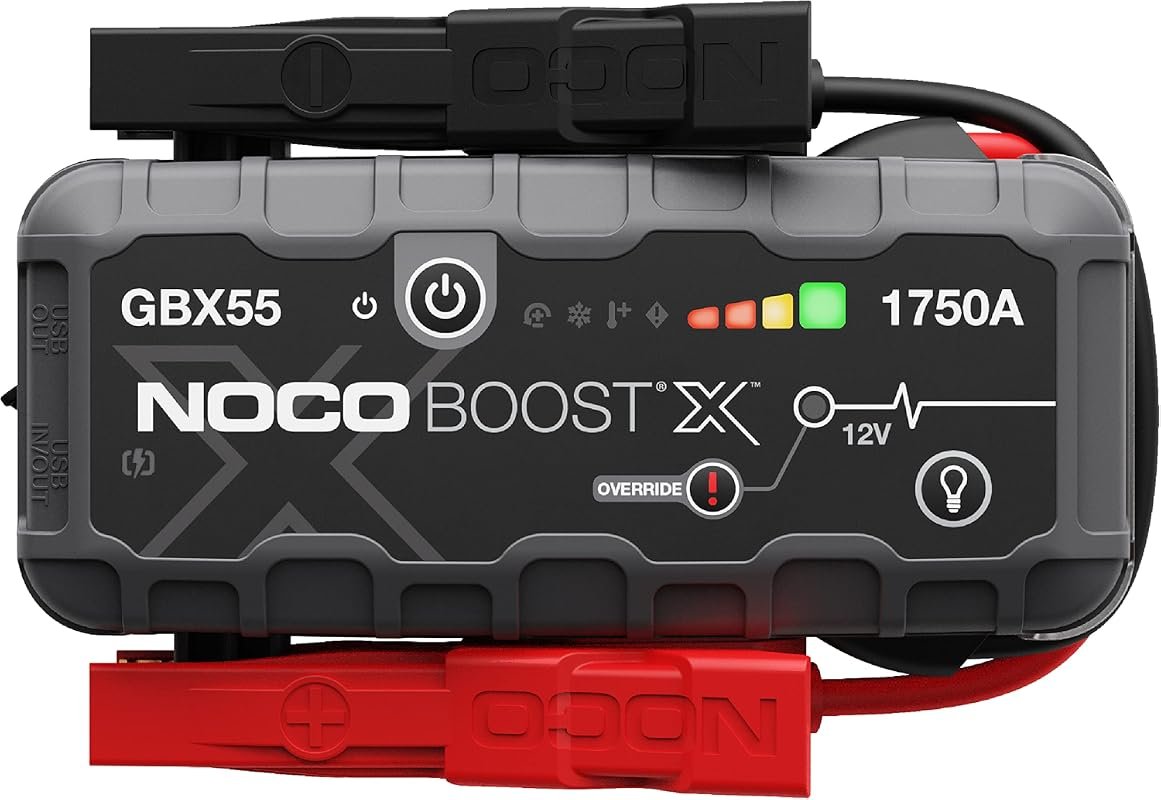 Best Overall
NOCO Boost X GBX55: 1750A UltraSafe Jump Starter
It offers the strongest all-around mix of fit, value, and practical daily use for Volvo owners.
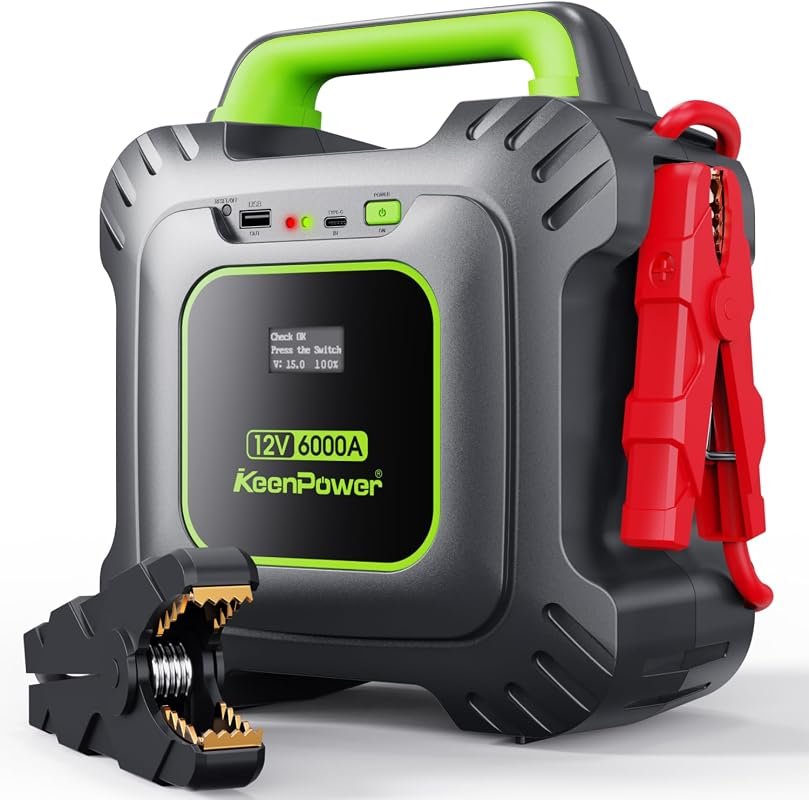 Best Value
KeenPower 6000A Super Capacitor Jump Starter for All 12V Cars, Jump Box | No Traditional Battery, Po
It makes sense for owners who want a useful upgrade without paying more than necessary.
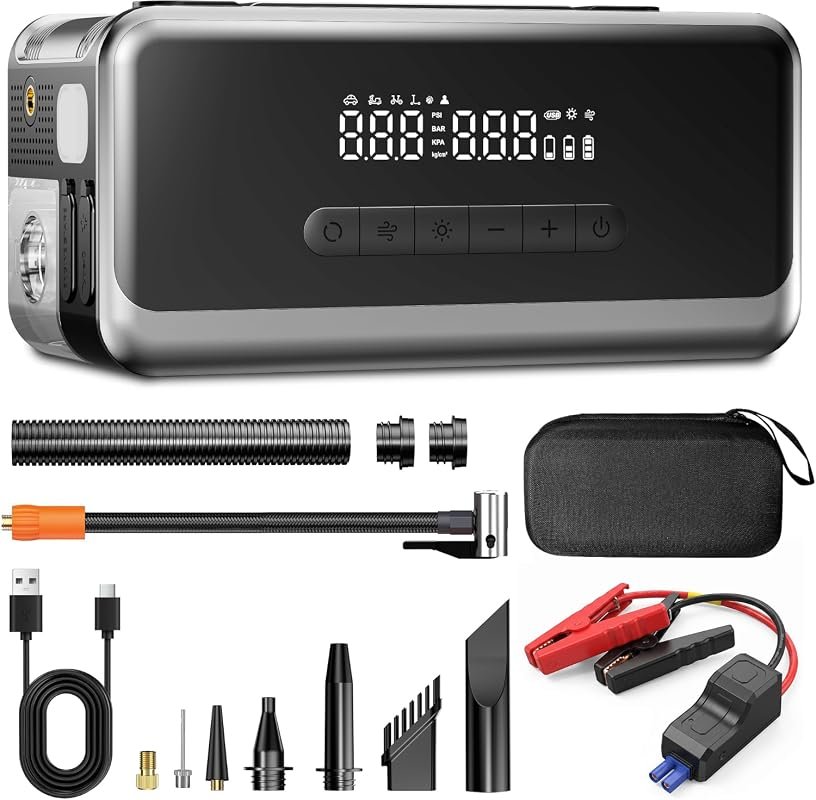 Best Premium Option
Jump Starter with Air Compressor, Car Battery Jumper Starter Portable 4000A | 12V Car Battery Jump B
It is the pick I would compare first if build quality, features, and long-term ownership value matter most.
Author

Author

Evans Torres
I’m Evans Torres, an automotive engineer who loves Volvo cars. I graduated in Automotive Engineering from USC. I have worked in the car industry for years and now share my knowledge on The Volvo Life. I started this blog to connect with other Volvo fans. I offer tips, news, and advice to help you care for your car. My goal is to help you keep your Volvo in great shape and find all the best things about it. Join me as we discover everything Volvo has to offer!