


When weighing repair cost volvo cars vs bmw, Volvo typically delivers slightly lower out‑of‑warranty repair and parts costs, while BMW skews pricier—especially on brakes, tires and performance components—offset by a denser dealer network and robust aftermarket support.
Shopping luxury cars is as much about the driving experience as it is about long‑term costs. In the USA, Volvo and BMW often attract the same buyers—but their repair and maintenance profiles differ in ways that matter once warranties end.
This guide focuses on owner costs you actually see: annual maintenance, common repair pricing patterns, parts availability, reliability trends, and warranty coverage. It uses brand‑level data and model‑level examples where the comparison is fair and current.
If you want a broader baseline for how Volvo stacks up beyond BMW, our explanation of Volvo maintenance cost vs other cars adds context before you decide.
- Main difference: Volvo repair and parts costs trend slightly lower than BMW in the U.S., while BMW carries higher performance‑part and tire costs but more abundant dealer and aftermarket options.
- Best for A: Volvo suits owners prioritizing predictable maintenance, strong safety tech, and fewer big‑ticket consumables like staggered tires or performance brakes.
- Best for B: BMW favors drivers who value sharper dynamics and accept pricier consumables and components, leveraging a larger dealer footprint and specialist network.
- Cost/value: Both include 3yr/36k scheduled maintenance and 4yr/50k warranties; beyond that, Volvo generally wins on routine costs, while BMW can cost more if equipped with performance packages.
- Important caveat: Model, wheel/tire setup, options, and local labor rates swing real‑world bills more than the badge—always verify trim‑specific parts and service schedules.
Scope of this comparison — Volvo vs BMW repair cost, models and years
This analysis covers mainstream Volvo Cars and BMW models sold in the USA from 2019–2026. It includes sedans, wagons, SUVs, and popular PHEV/EV variants where service considerations differ.
We focus on out‑of‑warranty repair cost patterns, parts pricing tendencies, dealer and independent service access, and maintenance items buyers face annually. Niche M/Polestar Engineered variants are noted only where their parts costs change the picture.
Volvo Complimentary Scheduled Maintenance and BMW Ultimate Care both cover basic services for 3 years/36,000 miles on most 2019–2026 U.S. models. Coverage details and included items vary by model year—verify the maintenance booklet before you assume an item is free.
Volvo and BMW at a glance for repair and maintenance
The table below summarizes recurring owner‑cost factors that most strongly influence a 5–8‑year ownership window once factory coverage wanes.
| Aspect | Volvo | BMW |
|---|---|---|
| Average brand repair‑cost trend (US datasets) | Typically lower than BMW on like‑for‑like non‑performance trims per independent cost datasets. | Generally higher than Volvo, influenced by performance components and consumables. |
| Warranty (new) | 4yr/50k limited; 8yr/100k hybrid/EV battery (federal baseline or better). | 4yr/50k limited; 8yr/100k hybrid/EV battery (federal baseline or better). |
| Complimentary scheduled maintenance | Included 3yr/36k (items vary by MY/model). | Included 3yr/36k (items vary by MY/model). |
| Brake system parts pricing | Moderate on mainstream trims; performance/Polestar parts cost more. | Often higher, especially on M Sport/M Performance or larger rotor setups. |
| Tire replacement risk | Many models use square setups; tire costs are predictable. | Frequent staggered or run‑flat fitments raise replacement cost. |
| Dealer network density (US) | Smaller footprint; plan for travel in some regions. | Larger footprint; more same‑day service capacity in metro areas. |
| Independent specialist ecosystem | Growing, with strong coverage in larger cities. | Extensive BMW‑specific indie network nationwide. |
| Reliability (recent trend) | Average to slightly above average depending on model/year. | Average to above average; varies by generation and options. |
| ADAS/tech repair sensitivity | Windshield/radar/camera work may require calibration. | Similar ADAS calibration needs after glass/body work. |
| Hybrid/EV ownership | Volvo PHEV/BEV systems reliable overall; battery warranties mitigate early risk. | BMW PHEV/BEV competence strong; costs rise if out of warranty. |
Brand positioning, engineering priorities and comparable model lineup
Volvo emphasizes safety, comfort, and efficient turbocharged powertrains, with understated Scandinavian design. Options often stay practical—fewer extreme performance packages that inflate consumable costs.
BMW prioritizes driving dynamics and configurable performance. Larger wheels, staggered tires, and upgraded brakes help on road feel, but they can increase routine bills over a 5–7‑year horizon.
Wheel and tire choice can swing 4–5 years of ownership costs by thousands. A BMW with staggered 20–21 inch performance tires typically costs more to keep in rubber than a Volvo on a square 18–19 inch touring setup.
Safety philosophy and actual model-level evidence
Both brands score well with U.S. safety agencies, and modern ADAS systems are broadly comparable. Volvo historically centers safety as a brand ethos; BMW integrates it while emphasizing performance.
IIHS and NHTSA show many 2019–2026 Volvo and BMW SUVs and sedans achieving top ratings. Always compare the same class and year, because optioned headlights and added ADAS can affect scores and repair complexity.
ADAS raises repair bills after collisions or glass work. Radar or camera recalibration is a legitimate line item—ask shops to quote it separately so you can compare OEM vs qualified aftermarket glass and calibration providers.
Performance and driving character
Volvo targets balanced, quiet rides with ample torque from small, efficient engines. The restraint helps contain consumables and sometimes insurance costs.
BMW delivers keener steering and chassis responses. That engaging setup often arrives with larger brakes and performance tires—great to drive, but typically pricier to maintain when pads, rotors, and tires age.
On your demo, note tire size and load/speed ratings printed on the sidewall. Ask the dealer to price a full tire set and a front brake job for your exact build—seeing the numbers before buying beats guessing later.
Interior design, comfort, technology and infotainment
Volvo cabins emphasize calm ergonomics, excellent seats, and Google built‑in on newer models. Software updates are frequent, with over‑the‑air improvements reducing some service visits.
BMW’s iDrive remains a benchmark for features and customization. Feature density is higher, and certain connected services can be subscription‑based—budget for renewals if you rely on them for daily convenience.
Map updates, data plans, and some connected features can shift from included to subscription after a trial period on both brands. Confirm how many years of connected services are bundled with your VIN.
Reliability, warranty, dealer/service access and maintenance cost
Reliability for Volvo and BMW has trended from average to above average depending on model and year. Independent datasets consistently place BMW a bit costlier to repair out of warranty than Volvo, driven by performance‑oriented components.
Both brands provide 4yr/50k limited warranties and federally backed 8yr/100k hybrid/EV battery coverage. Each includes 3yr/36k scheduled maintenance, reducing early ownership outlays but not covering wear items like tires and brake pads.
Service access differs: BMW maintains a denser U.S. dealer network and a deep bench of independent specialists. Volvo’s network is smaller, but urban coverage is strong and independents are expanding, with OEM or high‑quality aftermarket parts widely available.
For a closer look at common Volvo repair drivers and how to budget them, see our breakdown on are Volvo cars expensive to repair.
- Tires: square vs staggered sizes, run‑flat vs conventional.
- Brakes: rotor size, pad compound, and electronic parking brake service mode.
- Fluid specs: OEM coolant, ATF, and brake fluid that meet brand standards.
- Labor: dealer vs reputable European indie hourly rates in your ZIP.
Resale value, used-car considerations and electrification strategy
Resale varies by model and options. Well‑specced SUVs from both brands retain value better than niche sedans; mileage and condition remain decisive for repair risk and price.
Used buyers should prioritize maintenance documentation and pre‑purchase inspections, especially for turbo plumbing, cooling, suspension bushings, and brake wear. PHEV/EV shoppers should check charging histories and software update records.
Electrification paths diverge slightly: Volvo targets an all‑electric lineup by 2030, while BMW continues parallel ICE, PHEV, and EV development. Software support and battery warranties will matter more as fleets electrify.
High‑voltage batteries are covered by long warranties, but DC‑fast charging habits and thermal management history affect longevity. Have a dealer print a battery health report when possible.
Where Volvo is stronger
Volvo tends to keep a lid on routine ownership costs through sensible wheel/tire choices, calmer brake wear profiles on mainstream trims, and straightforward service intervals. Many models offer excellent safety content without needing costly packages.
Software updates via over‑the‑air on newer vehicles can reduce workshop time. Interiors and seats remain a strength for long‑distance comfort, often lowering the temptation to spec cost‑raising performance options.
Where BMW is stronger
BMW’s chassis tuning and powertrain breadth are class‑leading, and the brand supports enthusiasts with deep aftermarket choice and strong specialist networks. That can help you shop around for non‑warranty repairs.
Dealer density in the U.S. is an advantage for same‑day parts availability and faster turnarounds. If you value sport packages and dynamic options, BMW delivers—at the cost of pricier consumables over time.
Volvo Pros and Cons
- Generally lower out‑of‑warranty repair/parts costs vs BMW on like‑for‑like trims.
- Safety tech emphasis with strong crash-test results.
- Comfort-first tuning reduces consumable burn.
- Over‑the‑air updates on newer models.
- Smaller U.S. dealer network than BMW.
- Performance/Polestar parts can get pricey.
- Some specialty VIDA diagnostic tasks favor dealer tools.
BMW Pros and Cons
- Excellent dynamics and powertrain variety.
- Large U.S. dealer and indie‑specialist ecosystem.
- Strong aftermarket parts availability.
- Higher average repair and consumable costs, especially with sport packages.
- Frequent staggered/run‑flat tire setups increase routine spend.
- Complex options can add diagnostic and calibration time.
Best choice by buyer type
How to choose between Volvo and BMW for repair cost
- Match trims and tires: Compare identical body style, engine class, wheel size, and tire type (run‑flat vs conventional).
- Price three jobs: Oil service, front brakes, and a full tire set—dealer and a reputable European indie in your ZIP.
- Check service records: Confirm fluids, filters, and software updates are current; ask for ADAS calibration notes after glass/body work.
- Review warranty/maintenance: Verify 3yr/36k inclusions and any transferable extended maintenance or CPO add‑ons.
- Test drive deliberately: Feel brake bite and ride quality on rough pavement; your comfort threshold often correlates to future consumable spend.
Model‑to‑model comparisons sharpen the picture. If you’re cross‑shopping midsize luxury SUVs, our hands‑on breakdown of the Volvo XC90 vs BMW X5 shows how options change both driving feel and service costs.
💡 Evans Torres Tip: Ask each seller for a printed “parts and labor” quote on the three wear items most likely in your first 24 months: tires, front brakes, and a 60k‑mile service. Lock the estimate to your VIN and wheel size. It’s the fastest way to expose hidden cost deltas before you sign.
Frequently Asked Questions
Repair costs vary widely by model, build, and location. The answers below address the most asked questions from U.S. shoppers comparing Volvo and BMW on ongoing ownership expenses. Use them as a starting point, then confirm prices for your exact VIN, tire size, and maintenance schedule with both a dealer and a trusted independent specialist.
Is Volvo cheaper than BMW to maintain over 5 years?
On average and like‑for‑like trims, independent datasets show Volvo trending cheaper than BMW for out‑of‑warranty maintenance and repairs. BMW’s sport‑oriented brakes and tires often raise total spend. Your results depend on wheel/tire choice, driving style, and local labor rates—price your VIN with a dealer and an indie shop.
Do both brands include free scheduled maintenance?
Yes. Most 2019–2026 U.S. models from both brands include 3 years/36,000 miles of scheduled maintenance. Inclusions differ (e.g., brake fluid intervals, cabin filters), and wear items like pads, rotors, and tires are generally excluded. Always read the maintenance booklet for the specific model year to avoid assumptions.
Why are BMW brakes and tires often more expensive?
BMW commonly pairs larger rotors, performance pad compounds, and staggered or run‑flat tires with sport packages. These parts enhance handling but cost more to replace. Many Volvos use square tire setups and less aggressive brake hardware on mainstream trims, keeping consumable costs steadier across years.
How do dealer networks affect repair bills?
BMW’s denser U.S. dealer footprint increases same‑day parts availability and appointment flexibility, sometimes shortening downtime. Volvo’s smaller network may mean longer travel in certain regions, but urban coverage is solid and growing. Independent European specialists can narrow cost gaps for both brands after warranties expire.
Are ADAS and tech features expensive to fix?
Advanced driver assistance systems on both brands can add cost after glass or collision repairs, because sensors and cameras may need calibration. Software‑heavy infotainment also centralizes functions, so diagnostics can take longer. Ask shops to itemize calibration and software time when you request estimates.
Which brand has better reliability recently?
Both land from average to above average depending on model and year. Some BMW lines have improved steadily, and many Volvo SUVs perform well in owner surveys. Cross‑check multiple sources for your specific year and powertrain, and prioritize vehicles with full service records and recent software updates.
Do plug‑in hybrids or EVs change the repair‑cost equation?
They can. Routine maintenance often drops (no engine oil on EVs), but specialized high‑voltage components and cooling systems require trained technicians. Federal 8yr/100k battery warranties mitigate early risk. Verify recent software and thermal management checks, and request a battery health report where supported.
Can I lower costs by avoiding large wheels and run‑flats?
Often, yes. Choosing smaller, square wheel/tire setups and conventional tires typically lowers replacement costs and expands tire choices. Confirm the tire type on your build sheet and ask the dealer to quote both run‑flat and non‑run‑flat options that keep TPMS and load ratings correct and safe.
Final Verdict
If minimizing ongoing spend is your priority, Volvo generally offers the lower repair‑cost trajectory on comparable U.S. models—helped by sensible wheel/tire specs, mainstream brake hardware, and solid reliability. The included 3yr/36k maintenance further flattens early ownership bills.
Choose BMW if you prize sharper dynamics and accept the premium for performance‑leaning consumables, paired with the convenience of a larger dealer and specialist network. In all cases, lock estimates to your VIN, wheel size, and mileage. Pricing a tire set, front brakes, and a 60k‑mile service before you buy is the most reliable way to validate the math for your driveway.
My Top Picks at a Glance
These three Volvo accessories are practical options to compare after choosing the right Volvo configuration.
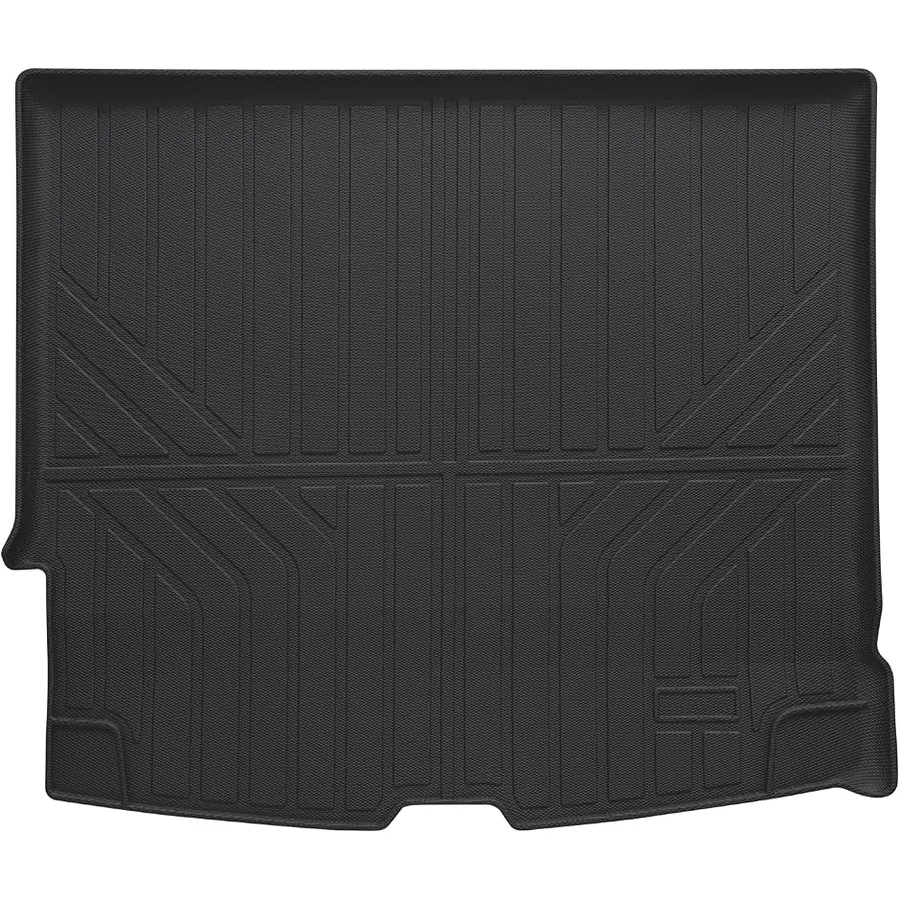 Best Overall
All-weather cargo liner for Volvo XC60 2018-2026, custom-fit TPE trunk mat, waterproof, easy-clean.
A vehicle-fit accessory to compare for compatibility, daily usefulness, and value.
 Best Value
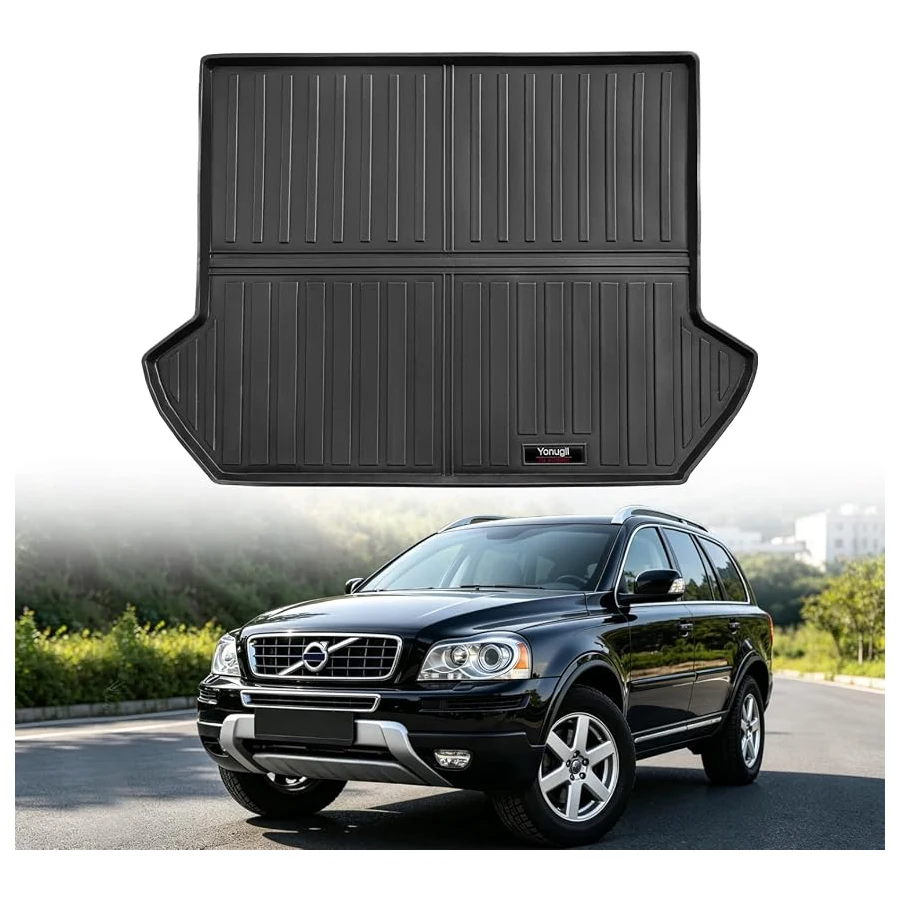
Custom cargo mat for Volvo XC90 2003-2014, all-weather TPE trunk liner, durable, easy-clean.
A vehicle-fit accessory to compare for compatibility, daily usefulness, and value.
 Best Premium Option
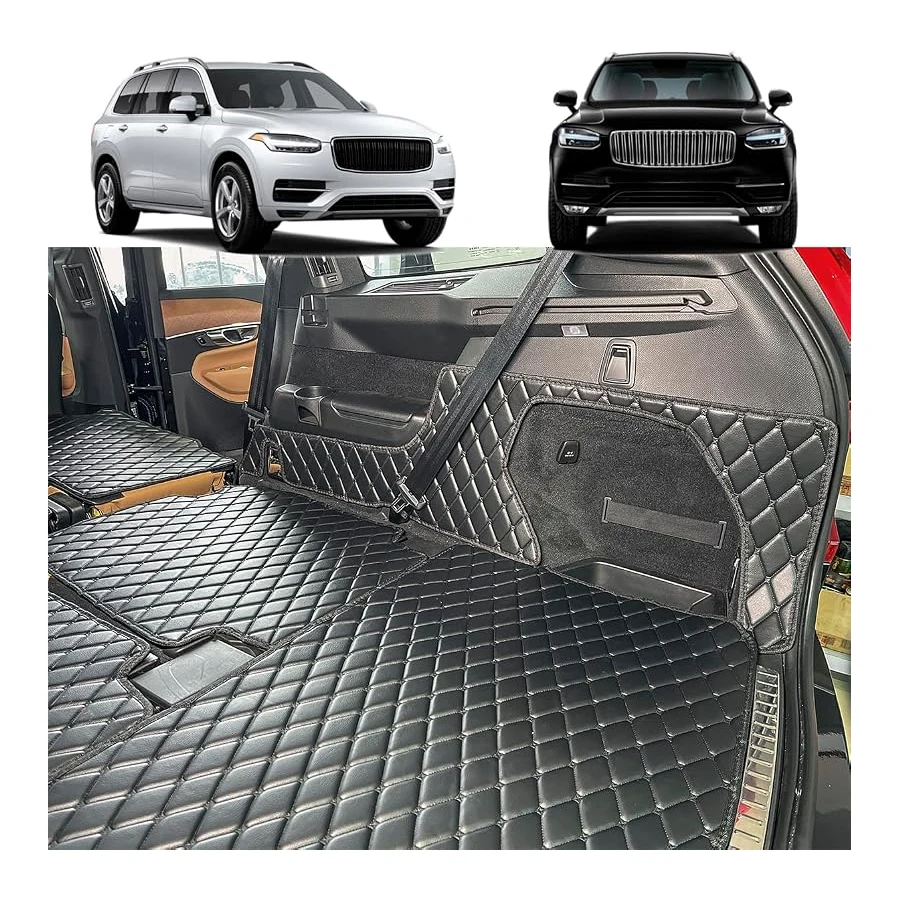
Cargo mat and side panel liners for Volvo XC90 2016-2025, custom-fit, all-weather protection.
A vehicle-fit accessory to compare for compatibility, daily usefulness, and value.
Sources and Methodology
Market: USA. Model years: 2019–2026 mainstream Volvo Cars and BMW models. We matched body styles and typical trims where possible and focused on owner‑relevant costs (maintenance coverage, consumables, dealer/indie access) rather than list prices. Sources include manufacturer warranty/maintenance literature, independent repair‑cost and reliability datasets, and U.S. safety agencies. Figures are trend‑based; local labor, wheel/tire choices, and options can change totals materially. Verification date: August 2026.
Author

Author

Evans Torres
I’m Evans Torres, an automotive engineer who loves Volvo cars. I graduated in Automotive Engineering from USC. I have worked in the car industry for years and now share my knowledge on The Volvo Life. I started this blog to connect with other Volvo fans. I offer tips, news, and advice to help you care for your car. My goal is to help you keep your Volvo in great shape and find all the best things about it. Join me as we discover everything Volvo has to offer!