


Size difference between Volvo XC40 and XC60 is about 10 inches in length, 6 inches in wheelbase, and roughly 6 cubic feet of max cargo. XC60’s extra length yields more rear legroom and cargo versatility, while XC40’s shorter footprint is easier to park and garage.
If you’re choosing between Volvo’s two-row SUVs, the XC40 and XC60, the most important separator is physical size. Those extra inches in the XC60 show up in second-row space and cargo flexibility, while the XC40 trades capacity for city-friendly maneuverability.
This guide focuses on hard numbers—dimensions, cargo volume, and legroom—using recent US-spec model data. We’ll also put those measurements into daily-life context, from child seats and strollers to parking and garage fit, then touch briefly on price, tech, safety, and ownership costs.
All specs and figures are matched to comparable, current US-market model years and verified against official sources as of August 2026. When numbers vary by trim, wheels, or options, we note it clearly so you can double-check your exact build.
- Main difference: XC60 is roughly 10 inches longer with a 6-inch longer wheelbase, adding adult-friendly rear legroom and ~6 cu ft more max cargo than XC40.
- Best for A: XC40 suits urban drivers and small families who prioritize easy parking and efficient use of garage space.
- Best for B: XC60 fits growing families and road-trippers who need more rear-seat stretch-out room and cargo flexibility.
- Cost/value: XC60 typically prices higher when similarly equipped; value hinges on whether you’ll use the extra passenger/cargo space often.
- Important caveat: Exact dimensions and capacities can vary slightly by wheels, tires, and options—verify the specific build you’re comparing.
Are Volvo XC40 and Volvo XC60 direct competitors?
They’re adjacent in Volvo’s lineup. Both are two-row luxury SUVs, but XC40 is a subcompact, while XC60 is a compact-to-midsize option positioned above it in size and price.
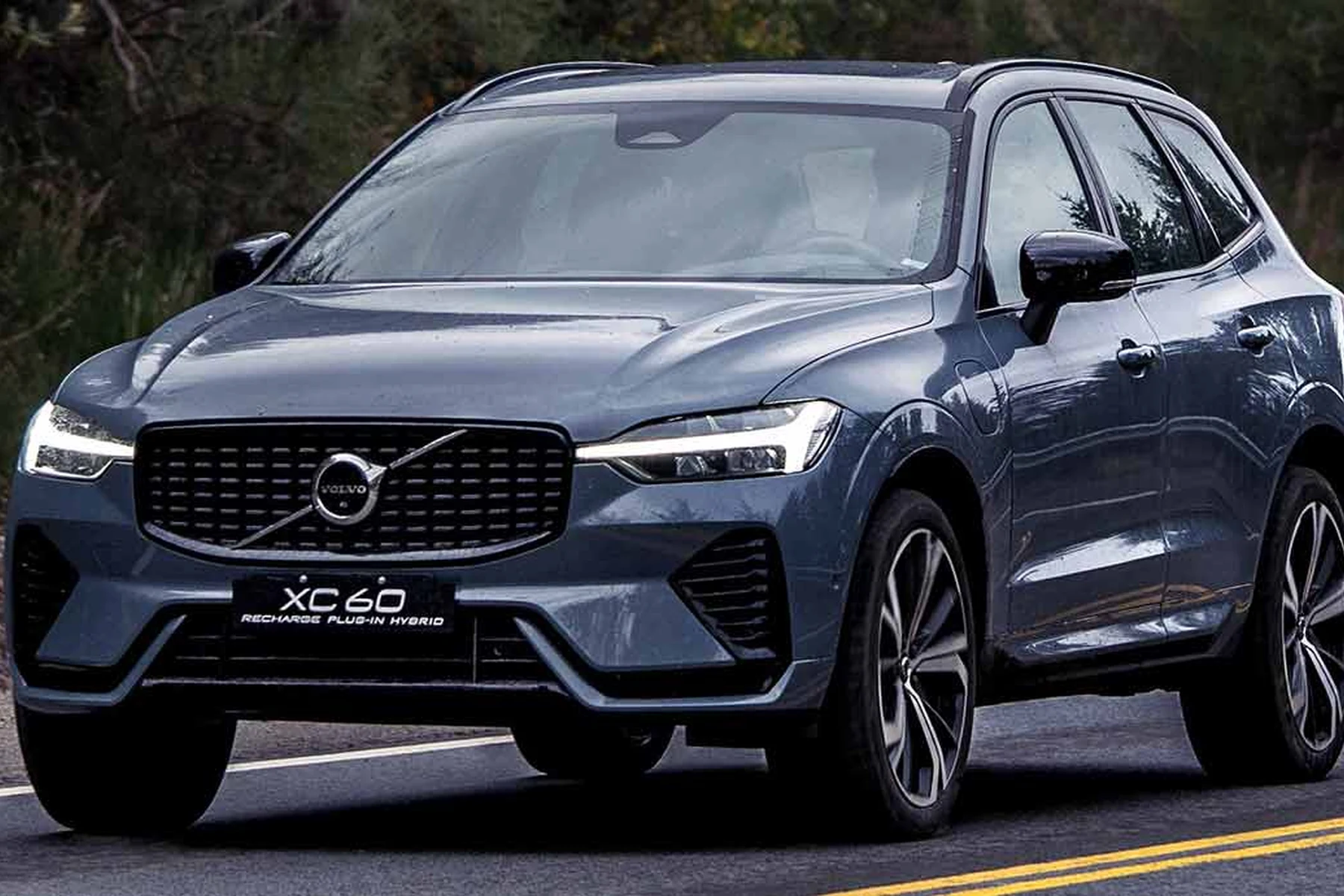
Because they share design language, safety tech, and infotainment, many buyers cross-shop them. The decision usually comes down to how often you need extra rear-seat space and cargo length versus how often you parallel park or fit into a tight garage.
Volvo XC40 vs Volvo XC60: At-a-Glance Comparison
Here are the most decision-relevant size and space specs for recent US-market models. Use this to gauge how the XC60’s added length and wheelbase translate into legroom and cargo advantages.
| Specification | Volvo XC40 | Volvo XC60 |
|---|---|---|
| Overall length | ~174.2 in | ~184.6 in |
| Wheelbase | ~106.4 in | ~112.8 in |
| Width (w/o mirrors) | ~73.3 in | ~74.9 in |
| Height | ~65.3 in | ~65.3–65.9 in |
| Ground clearance | ~8.3 in | ~8.5 in |
| Seating | 5 | 5 |
| Front legroom | ~40.9 in | ~41.5 in |
| Rear legroom | ~36.1 in | ~38.0 in |
| Cargo behind 2nd row | ~20.7 cu ft | ~22.4 cu ft |
| Max cargo volume | ~57.5 cu ft | ~63.3 cu ft |
| Max towing (properly equipped) | Up to 3,500 lb | Up to 3,500 lb |
Main differences between Volvo XC40 and Volvo XC60
The XC60’s extra 10 inches of length and longer wheelbase directly yield more adult-friendly rear legroom and a larger, more flexible cargo area. You also get a slightly wider cabin that helps with shoulder room for three across in a pinch.

The XC40’s counterpunch is everyday agility. Its shorter body is simpler to park, thread through narrow streets, and position in smaller garages, without feeling cramped for a couple plus small kids or pets.
Similarities and common ground
Both SUVs seat five, share Volvo’s minimalist interior design, and offer comparable Google-based infotainment, standard advanced safety features, and available all-wheel drive. Ride comfort and noise isolation are strong on both, with the XC60 skewing slightly more serene on highway trips.
Despite its larger footprint, the Volvo XC60 doesn’t raise the towing ceiling versus XC40. Properly equipped, both are rated up to 3,500 lb—size here is about passenger and cargo room, not pulling power.
Price, comparable trims and feature-adjusted value: XC40 vs XC60
In recent US model years, the Volvo XC60 typically lists higher than an equivalently equipped XC40. That premium primarily buys more interior space and cargo flexibility rather than exclusive must-have tech.
Value depends on usage: if you’ll regularly carry adults in back or pack for long trips, XC60’s space pays off. If most trips are solo/duo with occasional kid duty, XC40 delivers similar refinement for less outlay and lower running costs.
MSRPs and equipment change by model year. Cross-check current US pricing and standard features on Volvo’s Build & Price for XC40 and XC60, then compare like-for-like trims and drivetrains before deciding.
Size, seating, cargo and everyday practicality: XC40 vs XC60
XC60’s extended wheelbase improves rear knee and foot room, which taller passengers notice on longer drives. Seat cushion length is also a touch more generous, adding thigh support compared with the XC40’s tighter second row.
Cargo favors XC60 for long items and bulkier loads. With seats folded, the larger floor area and added length make it easier to fit strollers plus luggage or longer flat-pack furniture without diagonally propping the hatch.
Bring your biggest stroller or golf bags. Load them both crosswise and lengthwise in XC40 and XC60. Also install a rear-facing child seat behind a tall driver in each to see how much front-seat compromise is required.
In daily parking, XC40’s shorter body eases head-in garage fit, leaves more room to walk around the bumper, and lowers the chance of curb rash in tight urban stalls. If you parallel park often, that difference is felt every week.
Interior comfort, visibility and cabin usability: XC40 vs XC60
Both cabins are airy with large glass areas and supportive front seats. XC60 rides a bit quieter on the highway, with slightly less road noise over coarse asphalt, and the longer wheelbase helps it glide over broken pavement.
Storage solutions are smart in both, but XC60’s wider console and door bins take a bit more. XC40’s upright shape still provides excellent visibility and an easy step-in height for kids and grandparents.
Measure garage depth from door to wall and leave at least 24 in clearance in front of the bumper for safe walk-through. XC60 needs roughly 10 in more depth than XC40 for equal margin.
Infotainment, controls and technology: XC40 vs XC60
Recent XC40 and XC60 models share Volvo’s Google built-in infotainment with native Google Maps and Assistant, plus over-the-air update capability. Phone mirroring and high-quality audio options are available on both.
Control layouts are near-identical, so learning one means you’re fluent in the other. Choose based on space and budget, not because one offers a must-have tech feature the other lacks in the same year.
Safety and driver assistance: XC40 vs XC60
Both SUVs include Volvo’s core active-safety suite and robust crash structures. Recent IIHS evaluations show strong crashworthiness for XC40 and XC60, with front crash prevention available and headlight performance varying by trim and year.
NHTSA ratings may also differ by model year. Always confirm your exact build’s ratings and equipment when comparing safety across trims.
Compare the same model year for both SUVs, and verify headlight rating, crash-prevention system, and airbag coverage at IIHS and NHTSA. Some features are standard on one trim but optional on another.
Performance, ride, handling and drivetrain: XC40 vs XC60
With similar powertrains available in recent years, straight-line performance is broadly comparable, though XC40 can feel a hair more eager due to lower weight. XC60 counters with a calmer, longer-legged ride on highways.
Handling on both favors stability and comfort over sharp sportiness. If you prioritize a planted, quiet cruise for family trips, XC60 has the edge; for nimble city work, XC40 feels more tossable.
Fuel economy and efficiency: XC40 vs XC60
EPA estimates for recent US-spec mild-hybrid XC40 models typically land in the mid-to-high 20s combined, with XC60 close behind in the mid-20s due to extra size and weight. Exact ratings vary by year, drivetrain, and wheel size.
If efficiency is a top priority, compare the EPA label for the exact trim you plan to buy. Larger wheels and tires can trim 1–2 mpg on either vehicle.
Reliability, known issues and evidence level: XC40 vs XC60
Volvo’s recent XC40 and XC60 share many components and service intervals. Early-life reliability for new model years is typically solid in aggregate data, with more meaningful patterns emerging after several years in fleet and owner reports.
For a focused view on the smaller SUV, see our look at XC40 reliability. Cross-reference any open recalls and technical service bulletins by VIN before purchase.
Maintenance, insurance, depreciation and total ownership cost
Routine service needs are similar, but XC60’s larger wheels/tires and higher insurance class can nudge running costs upward. Depreciation generally tracks the segment: well-kept XC60s maintain value with family buyers who seek space.
Plan ownership around the factory schedule: compare the XC40 maintenance schedule with the XC60 scheduled maintenance to anticipate costs by mileage.
On both SUVs, upsizing to 20–21 in wheels looks great but can raise tire replacement costs and slightly reduce ride comfort and fuel economy. Budget accordingly if you prefer larger wheel packages.
Towing and payload: XC40 vs XC60
Properly equipped with the factory tow package, both XC40 and XC60 are rated up to 3,500 lb in recent US model years. Payload varies by trim and options, so check the door-jamb label for your specific vehicle.
If you routinely tow near the limit, prioritize trailer brakes and weigh the real payload remaining after passengers and cargo. Size alone doesn’t increase towing capacity across these two Volvos.
Volvo XC40 Pros and Cons
- Shorter length makes city parking and tight garages easier.
- Strong refinement and safety tech at a lower price point.
- Upright cabin with excellent visibility.
- Less rear legroom for tall adults on long trips.
- Smaller cargo floor length; big strollers may need creative packing.
- Large wheels reduce ride comfort more noticeably on a short wheelbase.
Volvo XC60 Pros and Cons
- More rear-seat legroom and cargo flexibility for families.
- Slightly wider cabin improves shoulder space.
- Smoother highway ride and cabin quietness.
- Larger footprint makes street parking and tight garages trickier.
- Typically costs more when similarly equipped.
- Bigger wheels/tires can add to replacement cost.
Which vehicle is better for different buyers?
Match your daily reality to the size you’ll actually use. If you regularly carry adults in back or pack for multi-bag trips, the XC60’s space matters. If most driving is solo or with one passenger in urban settings, the XC40’s footprint is a real advantage.
Alternatives worth considering
If you’re open beyond Volvo, cross-shop similarly paired rivals. For “smaller vs larger” two-row sets, consider Audi Q3 vs Q5, BMW X1 vs X3, and Lexus UX/NX vs RX. The same size-versus-agility trade-off applies across these lineups.
Within Volvo, if you outgrow the XC60’s two-row layout, the three-row XC90 adds a third row and even more cargo length while keeping a familiar interface.
How to Decide Between Volvo XC40 and Volvo XC60
- Measure your garage and common parking spots. Note depth and width; leave safe walking clearance.
- Do a family fit-test. Seat tall adults behind a tall driver in both models and evaluate knee/foot room.
- Bring your real cargo. Load your stroller, luggage, or pet crate both upright and flat with seats folded.
- Drive your actual routes. Include tight urban streets and a 20–30 minute highway loop in each SUV.
- Price the identical features. Build both with the same wheels, safety options, and audio to compare value.
Before we wrap up with FAQs, here’s one practical check that helps most shoppers quickly “see” the difference between these two Volvos.
💡 Evans Torres Tip: Set the driver’s seat to your real driving position in each SUV, then sit directly behind yourself. If your knees touch in XC40 but don’t in XC60, that’s the space you’re buying. Now fold both rows and lay a long box flat—note which rear hatch closes without angling.
Frequently Asked Questions
This FAQ addresses the most common follow-ups US shoppers have once they’ve seen the core dimension and cargo numbers. Answers focus on practical implications—fitting child seats, luggage, and people—rather than repeating specs already listed above.
How much longer is the Volvo XC60 than the XC40?
Recent US-spec XC60 models are roughly 10 inches longer overall than the XC40 (about 184.6 in vs 174.2 in). The wheelbase difference is around 6 inches, which primarily benefits rear legroom and ride composure on rough pavement.
Is the XC60’s cargo area much bigger than the XC40’s?
With rear seats up, XC60 has a small but useful edge (about 22.4 vs 20.7 cu ft). Seats folded, the gap grows to roughly 63.3 vs 57.5 cu ft, and XC60’s extra floor length helps fit bulkier boxes or strollers flat more easily.
Can three adults sit across the back of the XC40 comfortably?
Occasionally, yes, but shoulder and hip room feel tighter than in the XC60. For frequent three-across adult use, XC60’s extra width and legroom reduce rubbing elbows and knee crowding, especially on trips over an hour.
Does the XC40 fit better in a small garage?
Usually. XC40’s roughly 10-inch shorter body leaves more clearance to walk around the bumper and to open the hatch without hitting the wall. It’s also easier to maneuver in narrow driveways and tight apartment parking.
Do XC40 and XC60 have the same towing capacity?
Yes in recent US model years: up to 3,500 lb when properly equipped with the factory tow package. Always verify your vehicle’s specific rating and ensure your trailer has brakes if you’re towing near the limit.
Which is quieter on the highway, XC40 or XC60?
XC60 is generally a bit quieter and more settled at speed thanks to its longer wheelbase and added sound isolation. That said, wheel/tire choice affects cabin noise in both—larger, lower-profile tires can add road roar.
Is fuel economy very different between XC40 and XC60?
They’re close. Recent EPA combined ratings typically place XC40 a tick higher (mid-to-high 20s mpg combined) and XC60 in the mid-20s, depending on drivetrain and wheel size. Check the EPA label for your exact trim and options.
Which is better for child seats: XC40 or XC60?
Both support LATCH and top tethers, but XC60’s extra rear legroom often makes rear-facing seats easier behind a tall driver. Always bring your seat to the test drive and verify installation angles and front-seat clearance.
Final Verdict
Choose Volvo XC60 if you consistently carry adults in back or pack for longer trips—the extra wheelbase and cargo length make daily life easier and highway miles calmer. Its higher price buys space you’ll actually use.
Choose Volvo XC40 if your world is city streets and smaller garages, and most drives are solo or with one passenger. You’ll enjoy nearly the same tech and safety in a tidier, easier-to-park package that’s typically less to buy and run.
My Top Picks at a Glance
These three XC60 XC40 accessories are practical options to compare after choosing the right Volvo configuration.
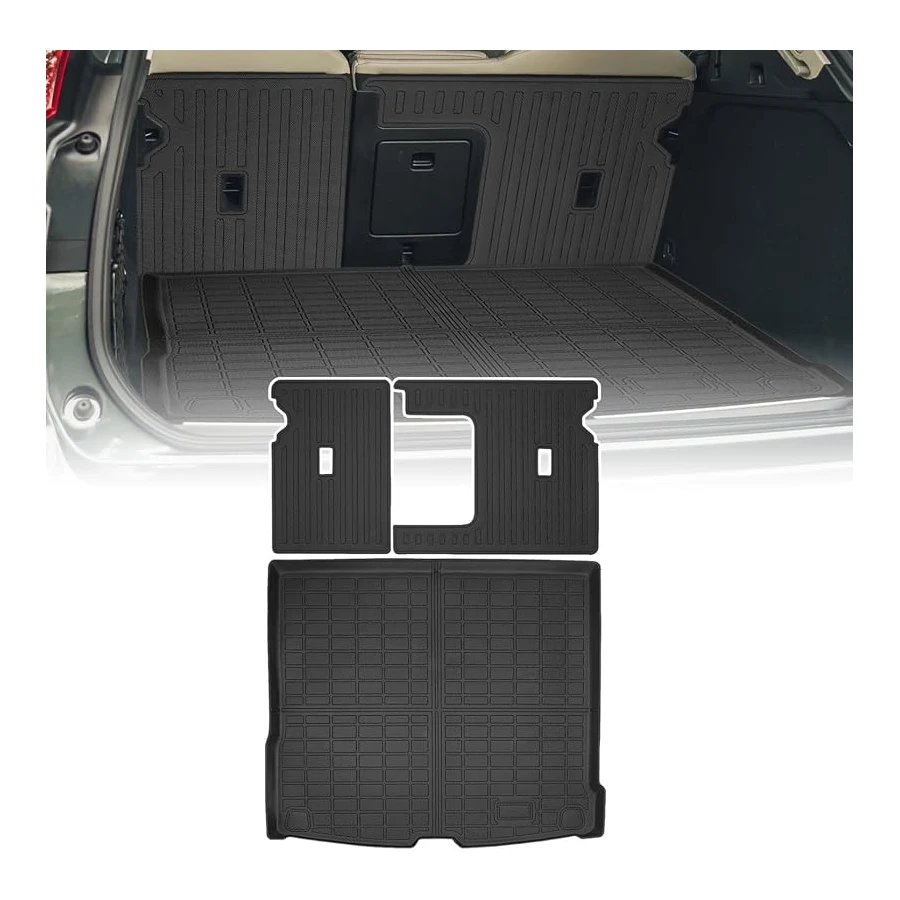 Best Overall
Volvo XC60 cargo liner set 2018-2026, rear seat back mats, hook-and-loop, all-weather, anti-slip, 3-piece
A vehicle-fit accessory to compare for compatibility, daily usefulness, and value.
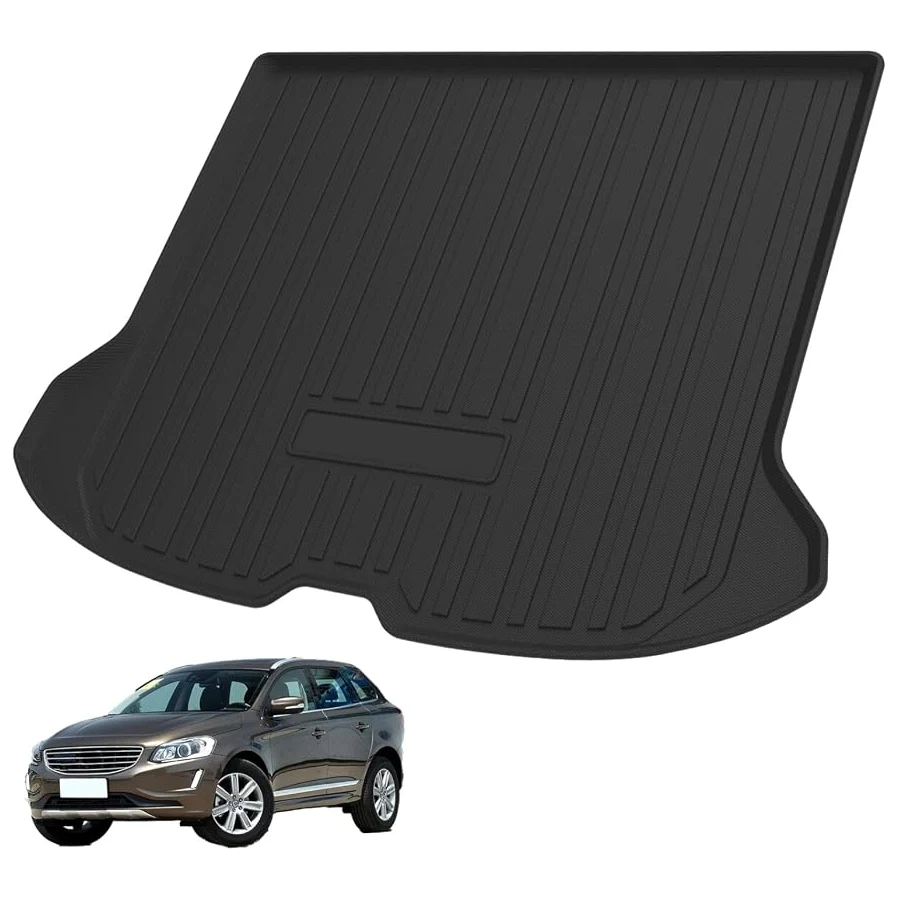 Best Value
Elsetyler cargo liner for Volvo XC60 2010-2017, custom-fit black TPE, waterproof, all-weather, heavy-duty trunk protector
A vehicle-fit accessory to compare for compatibility, daily usefulness, and value.
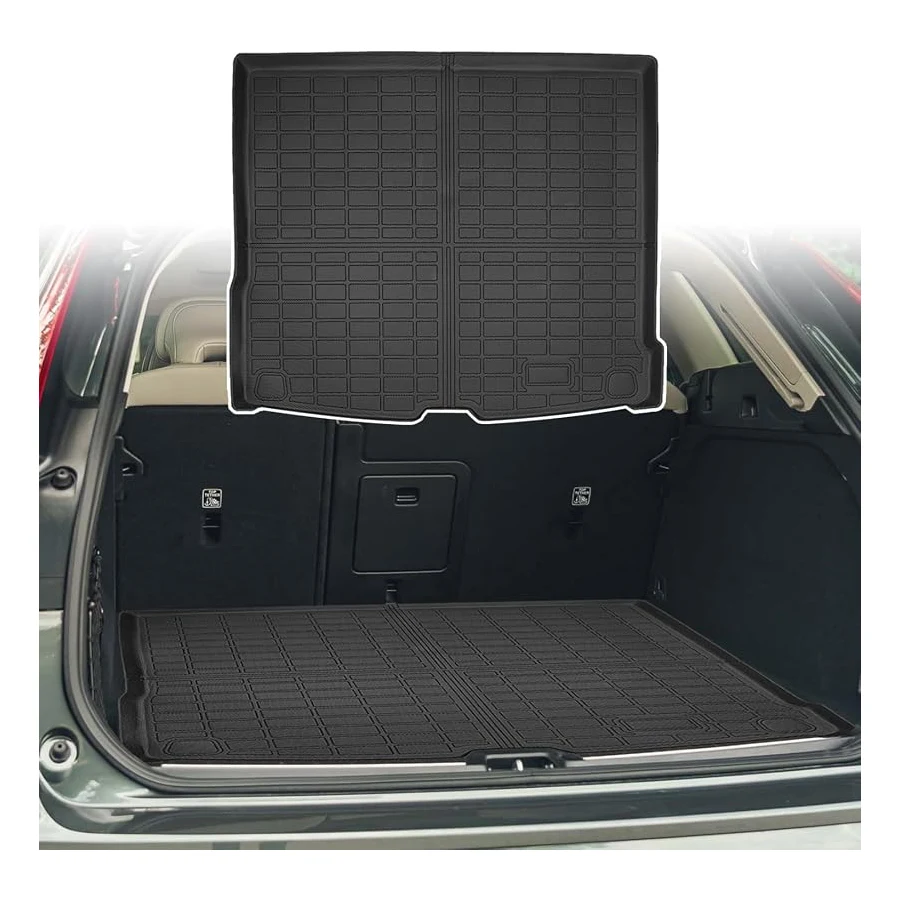 Best Premium Option
Volvo XC60 cargo liners 2018-2026, hook-and-loop rear seat back covers, all-weather, anti-slip, split trunk protector
A vehicle-fit accessory to compare for compatibility, daily usefulness, and value.
Sources and Methodology
Data reflects US-market, recent model years (2025–2026 where available). We matched trims and drivetrains as closely as possible and prioritized official manufacturer specifications for dimensions and capacities. Safety notes reference comparable IIHS/NHTSA protocols by model year; fuel economy uses EPA listings. Some figures vary slightly by wheels, tires, and options—verify your exact build on Volvo’s site and check window stickers. Verification date: August 2026.
Author

Author

Evans Torres
I’m Evans Torres, an automotive engineer who loves Volvo cars. I graduated in Automotive Engineering from USC. I have worked in the car industry for years and now share my knowledge on The Volvo Life. I started this blog to connect with other Volvo fans. I offer tips, news, and advice to help you care for your car. My goal is to help you keep your Volvo in great shape and find all the best things about it. Join me as we discover everything Volvo has to offer!