


jump starter for volvo dealership buyers: choose a 12V lithium booster rated around 2000 peak amps for most Volvo cars and SUVs, and 2500–3000A for diesels or sub-freezing climates. Prioritize smart clamps with reverse-polarity protection, then keep it 60–80% charged for reliable emergencies.
Cold snaps, short commutes, and aging AGM batteries can catch even well-maintained Volvos off guard. A compact lithium jump starter turns a no-start into a five‑minute delay, not a tow bill. You can also use do scanner for Volvo exist as a helpful next guide on the same ownership topic.
This guide sizes the right unit for Volvo models, explains diesel and hybrid differences, shows safe connection steps, and shares dealership-ready storage and winter tips.
- Main point: Most Volvo cars/SUVs are covered by a 12V lithium jump starter rated at 1500–2000A; diesels and deep-winter use justify 2500–3000A.
- Best first step: Verify your model’s under-hood jump posts and practice a no‑power hood open.
- Cost or value: Quality lithium units typically run $90–$200 and double as power banks.
- Who it suits: Daily drivers, cold‑climate owners, and service lanes that need quick turnarounds.
- When to get help: Swollen/leaking batteries, repeated no-starts in a week, or hybrid HV warnings require a pro.
Wants independence from tow trucks and the ability to get moving fast after a surprise no‑start.
Faces winter cold‑crank demands that can flatten marginal batteries overnight.
Needs reliable, repeatable boosts for multiple Volvos without waiting on a cart or cables.
What a Jump Starter Does for Volvos vs a Battery Charger
A portable jump starter delivers a short burst of high current to crank the engine right now. It doesn’t recharge the battery; it just gives enough amperage to start and let the alternator take over.

A battery charger is for recovery and maintenance. It restores state of charge over hours, not seconds. Use a charger after repeated short trips or storage; use a jump starter when you’re stranded.
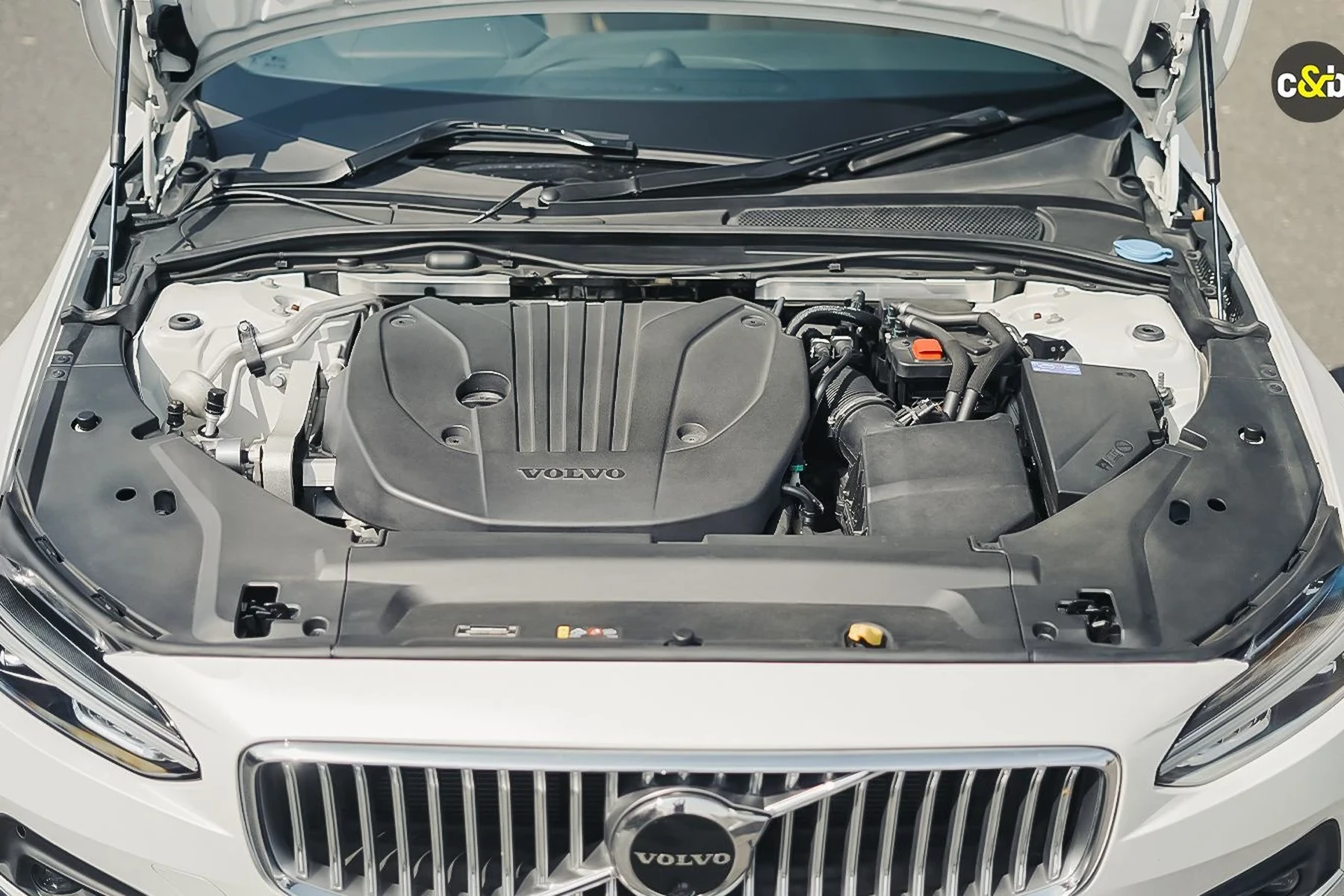
Many SPA/CMA Volvos (XC90 2016+, XC60 2018+, S60/V60/S90/V90, XC40) place the 12V battery away from the engine bay but include dedicated under‑hood jump posts. Use those posts — not the battery directly — whenever provided. For related context, you may also want to read is scanner for Volvo XC60.
Why Volvo Owners and Dealerships Should Keep a Jump Starter
Short urban trips, stop‑start traffic, and winter heaters all drain reserve capacity. A portable booster eliminates waiting for roadside help and keeps service bays moving during peak mornings.
Owners of PHEV Volvos also benefit. The high‑voltage pack can be healthy while the 12V accessory battery is low; a quick 12V boost wakes the control modules to “ready” the car.
Here is a summary of the key scenarios where a booster is the fastest solution and what size to pick.
In most cases, a 2000A lithium pack covers gas 4‑ and 6‑cylinders. Step up one size for cold snaps, older batteries, and higher‑compression diesels.
| Scenario | Why it helps | Suggested rating | Notes |
|---|---|---|---|
| Winter cold soak (< 20°F) | Higher cranking demand, sluggish chemistry | 2000–3000A | Keep pack warm before use for best output |
| AGM battery aging (4–6 years) | Lower available CCA under load | 2000A | Plan battery test/replacement soon |
| XC90/XC60 school run, short trips | Alternator rarely fully recharges | 1500–2000A | Use a maintainer at home to prevent repeats |
| PHEV T8 won’t “wake” | 12V battery flat; HV pack fine | 1500–2000A | Boost 12V only; never touch HV system |
| Diesel D5 (Europe) or older five‑cyl | Higher compression, glow plug draw | 2500–3000A | Buy heavy‑duty clamps/cables |
| Remote parking (airport, trailhead) | No second car for cables | 1500–2000A | Check pack charge monthly |
Best Jump Starter Type for Volvo Cars and SUVs
Lithium (Li‑ion or LiFePO4) jump starters are the sweet spot: compact, powerful, and safe when they include smart clamps. They also charge phones and tablets in a pinch.
Heavy‑duty “cart” boosters excel for frequent shop use or diesels but are bulky and often 120V‑dependent. For glovebox carry, choose lithium with clear labeling and a hard case.
The table below compares common types and where they fit in Volvo ownership and service settings.
| Type | Peak amps | Best for | Approx price | Verdict |
|---|---|---|---|---|
| Lithium compact | 1000–2000A | Most Volvos (gas), glovebox carry | $90–$160 | Best overall balance |
| Lithium heavy‑duty | 2000–3000A | Diesel, V8, deep winter, shop use | $150–$250 | Step‑up power reserve |
| Lead‑acid booster pack | 1000–1700A | Budget shop cart, infrequent moves | $80–$150 | Bulky, slower to recharge |
| Smart clamps add‑on | — | Reverse‑polarity/short protection | Included/+$20 | Non‑negotiable safety |
Always connect to Volvo’s designated positive post and a clean chassis ground. Avoid clamping directly to the battery negative on models that specify a remote ground point — this reduces spark risk near the battery.
Volvo Model‑Based Jump Starter Guide
XC90 (2016+ SPA) with 2.0L turbo/supercharged engines typically starts reliably with 2000A. Earlier XC90 V8/V6 models and cold‑climate garages benefit from 2000–3000A units. This connects closely with is scanner for Volvo XC90 if you want to compare the topic in more detail.
XC60/XC40/S60/V60/S90/V90 (2014+ gasoline) are well covered at 1500–2000A. Older five‑cylinder P2/P3 cars (S60/V70/XC70) crank faster with a 2000A pack, especially in winter.
For a model‑specific alarm tip on older platforms, see our guide on how to jump‑start a 2012 Volvo S60 without triggering the alarm.
Volvo batteries are often AGM. They tolerate short bursts well but hate deep discharge. If you’ve needed two jumps in a week, schedule a battery test and alternator output check rather than relying on a booster repeatedly.
Jump Starter Advice for Volvo Diesel, Hybrid, and Electric Models
Volvo diesels (where sold) need more crank current due to compression and glow plugs — target 2500–3000A with heavy clamps. Keep the pack warm in winter for full output.
Recharge/T8 PHEV models use a conventional 12V battery to wake systems. Boost the 12V battery only at the under‑hood posts; never connect to or open the high‑voltage battery circuit.
Fully electric Volvos (EX30/EX40/EC40/EX90) generally don’t need engine cranking, but a small 12V boost can revive the low‑voltage system to open locks or enable service mode. Check the owner’s manual before attempting.
Never attempt to jump or probe a hybrid/EV high‑voltage pack. Only use a booster on the 12V system and only at the documented jump posts. A swollen, leaking, or cracked 12V battery should not be jumped — replace it safely instead.
Jump Starters for Volvo Trucks & Heavy Equipment (12V/24V)
Volvo Trucks and Construction Equipment frequently use 24V systems or large‑displacement diesels. These require commercial‑grade 12/24V boosters or a slave‑start from a service truck.
If your fleet includes A40/A60 haulers, excavators, or FM/FH trucks, spec a 24V‑capable booster with long, copper‑core leads and a clamp‑mounted voltage selector to prevent 12V connection errors.
What Size Jump Starter You Actually Need
Five factors decide sizing: system voltage (12V for cars/SUVs), engine displacement and cylinder count, fuel type (diesel needs more), battery health, and ambient temperature. Start with 1500–2000A for modern gas Volvos and add headroom for the other four factors as they stack up.
- 12V system: All Volvo cars/SUVs use 12V; heavy trucks may use 24V.
- Engine size/cylinders: Larger/higher‑cylinder engines need more burst current.
- Fuel type: Diesel requires 20–40% more cranking power.
- Battery age: Over 4–6 years? Add one size up.
- Temperature: Under 20°F? Add one size up or warm the pack indoors.
- Charge your booster every 2–3 months; monthly in winter or if stored in cold garages.
- Practice opening the hood with a dead battery; some models require manual key access.
- Label your Volvo’s under‑hood positive and ground points with a small tag for quick use.
- After a successful jump, drive 20–30 minutes or use a charger to fully restore 12V SOC.
How to Use a Jump Starter on a Volvo Safely
Correct clamp order and the right connection points matter more than peak‑amp marketing. Locate the under‑hood positive post and the specified chassis ground, keep the booster away from moving parts, and give modules a moment to wake before cranking.
- Prep: Park safely, set the parking brake, and switch off lights and accessories.
- Locate posts: Find the red positive post and the designated chassis ground point.
- Power the booster: Ensure it’s at least 60% charged; enable “boost” mode if required.
- Connect positive (+): Red clamp to the positive jump post.
- Connect ground: Black clamp to the recommended chassis ground, not battery negative if the manual specifies otherwise.
- Wait 30–60 seconds: Let ECUs wake; some models need a brief pre‑power period.
- Start the engine: Crank up to 5 seconds. If no start, wait 30 seconds and try once more.
- Disconnect in reverse: Remove black clamp first, then red. Keep leads clear of belts/fans.
- Recharge the booster: Top it off after use so it’s ready for next time.
Need alarm‑friendly steps on a P3 platform? We cover that in detail here: jump‑starting a 2012 Volvo S60 without triggering the alarm.
How to Charge and Store a Jump Starter in Winter
Lithium packs lose output when cold. Store indoors when possible, or warm the pack in the cabin for a few minutes before use. Most units specify storage between about −4°F to 113°F and perform best above 32°F.
Recharge every 60–90 days, or monthly in cold regions. Avoid leaving the booster permanently on a wall charger; instead, top up to 80–100% and disconnect.
Where to Buy a Jump Starter for Volvo
Amazon and big‑box electronics stores offer fast returns and reviews; auto parts stores add staff guidance; a Volvo dealership can supply professional‑grade shop units. Check for UL/CE listings, authentic packaging, and a serial‑numbered warranty.
After a jump, scanning for stored low‑voltage faults helps confirm nothing else is lurking. See our take on whether Volvo‑specific scanners are reliable and what they catch that generic tools miss. If you prefer an app‑based climate solution instead of frequent jumps in winter, review whether Volvo offers remote start via the app for your model/year.
Before moving on, bookmark Volvo’s official guidance on jump points and procedure for your model in the online manuals: Volvo Owner’s Manuals and the generic support article for Jump‑Starting the Car.
A quick post‑jump scan is smart after any deep discharge. If you’re comparing tools, our overview of the YOUCANIC scanner for Volvo explains features DIY owners actually use.
Before the FAQs, one practical suggestion from the author’s garage.
💡 Evans Torres Tip: I keep a 2000A lithium pack in my XC90 and charge it with the same USB-C brick as my laptop. On a 12°F morning in Denver, it spun the engine instantly — but only after I warmed the pack in the cabin for two minutes. That tiny habit makes a massive difference in cold‑weather cranking power.
Frequently Asked Questions
These answers focus on real selection and safety questions Volvo drivers and service teams ask after deciding to carry a jump starter. If your situation involves alarms, hybrids, or repeated no‑starts, read these before you buy your unit.
What size jump starter do I need for a Volvo XC90?
For 2016+ XC90 2.0L engines, a 2000A lithium pack is a confident pick, with 2500–3000A adding winter headroom. Older V8/V6 models or harsh winters also justify 2500–3000A. If your battery is over five years old, consider upsizing and scheduling a battery test.
Can I safely use a jump starter on a Volvo T8 plug‑in hybrid?
Yes — but only on the 12V system using the designated under‑hood jump posts. Never connect to or open any high‑voltage components. Consult the owner’s manual for post locations and follow the clamp order strictly. If the 12V battery is swollen or leaking, replace it rather than jumping.
Do fully electric Volvos (EX30/EX40/EX90) ever need a jump starter?
They don’t need engine cranking, but a modest boost to the 12V system can revive modules to unlock doors or enable service mode if the low‑voltage battery is flat. Check your manual for 12V access points and, if in doubt, contact Volvo roadside assistance.
How often should I recharge a lithium jump starter, especially in winter?
Top up every 2–3 months in mild climates, monthly in winter or if the pack is stored in a cold garage. Lithium chemistry prefers partial storage between 60–80% state of charge. Warm the pack above freezing before use for best output.
Why won’t my Volvo start even with a 2000A booster connected?
Common blockers include a nearly dead booster, poor ground connection, reverse‑polarity protection not latched, or a severely damaged 12V battery. Less commonly, you’re facing a separate issue (starter, immobilizer). Try a second attempt after 30 seconds; if it still fails, test/replace the battery or book diagnosis.
Can a portable jump starter damage Volvo electronics?
Used correctly with smart clamps, no. Modern boosters include reverse‑polarity, short‑circuit, and over‑voltage protection. The largest risk is incorrect connection or jumping a physically damaged battery. Follow your manual and the clamp order to minimize risk.
Is it better to carry jumper cables or a jump starter?
Cables work if a second running vehicle is present and positioned safely. A jump starter is independent, works in remote car parks, and avoids voltage spikes from another car’s alternator. Many owners carry both; if choosing one, pick the lithium booster.
Final Verdict
A 12V lithium jump starter around 2000A belongs in every Volvo glovebox; cold‑climate drivers and diesels get peace of mind from 2500–3000A units. Learn your under‑hood posts, practice the clamp order, and keep the pack topped up.
After any jump, plan a proper battery test and scan for low‑voltage fault history. If a Volvo needs more than one boost in a week, stop jumping and replace the battery or book diagnosis — reliability is the real goal.
Author

Author

Evans Torres
I’m Evans Torres, an automotive engineer who loves Volvo cars. I graduated in Automotive Engineering from USC. I have worked in the car industry for years and now share my knowledge on The Volvo Life. I started this blog to connect with other Volvo fans. I offer tips, news, and advice to help you care for your car. My goal is to help you keep your Volvo in great shape and find all the best things about it. Join me as we discover everything Volvo has to offer!