


The difference between Volvo V50 and V70 centers on size and mission: the V50 is a compact, lighter wagon that feels quicker and returns better mpg, while the V70 is a larger, more comfortable wagon with meaningfully more cargo and long‑trip refinement.
Shopping older Volvo wagons? The V50 and V70 share core Volvo traits—safety-first engineering, practical cabins, and understated design—but they serve different needs. The V50 rides on a compact platform with turbo options and urban-friendly dimensions.
The V70 is a larger family wagon aimed at highway comfort and cargo-hauling ease. In the U.S., most cross-shopping happens between late-run V50 (2008–2011) and final-run V70 (2008–2010), where features, safety tech, and pricing overlap on the used market.
This guide focuses on verified U.S.-market equipment and realistic ownership factors: size and cargo space you’ll feel every day, engine and drivetrain differences, safety ratings context, fuel economy, reliability patterns, and total costs. It’s a practical, side-by-side lens to help you pick the right Volvo wagon.
- Main difference: V50 = compact and more efficient; V70 = midsize with substantially more cargo and a calmer highway ride.
- Best for A: V50 suits city driving, easier parking, and drivers who want a smaller wagon with available turbo punch.
- Best for B: V70 suits families who need roomier rear seats, wider cargo bay, and long-distance comfort.
- Cost/value: V50 usually costs less to buy, fuel, and insure; V70 can command a premium in top condition due to scarcity.
- Important caveat: U.S.-market engines differ by year; verify your exact car’s engine, features, and safety options by VIN and manual.
Are the Volvo V50 and Volvo V70 direct competitors?
Not exactly. Both are five-door Volvo wagons, but the V50 is a compact model while the V70 is a midsize wagon one class up. That means different footprints, cabin volume, and highway manners.
U.S. shoppers still compare them because prices can overlap on the used market. If you want a wagon and your budget is fixed, the choice becomes small-and-efficient versus big-and-comfy within Volvo’s lineup.
U.S.-market focus: Most apples-to-apples comparisons use 2008–2011 V50 (2.4i or T5) versus 2008–2010 V70 (3.2). Earlier V70s (2001–2007) offered different engines and options. Always decode the VIN and check the owner’s manual to confirm your exact specifications.
Volvo V50 vs Volvo V70 at a glance
This snapshot highlights the decision-critical differences U.S. buyers typically care about. Always verify exact figures for the year/trim you’re examining.
| Spec/Feature | Volvo V50 | Volvo V70 |
|---|---|---|
| Class/body | Compact wagon (P1 platform) | Midsize wagon (P3 platform) |
| Typical U.S. model years compared | 2008–2011 | 2008–2010 (final U.S. generation) |
| Seating | 5 | 5 |
| Cargo volume | Smaller footprint; notably less room behind rear seats | Meaningfully larger load bay; easier to carry bulkier items |
| Engines (common U.S. options) | 2.4L I5 NA; 2.5L I5 turbo (T5) | 3.2L inline-6 NA (most 2008–2010 U.S. cars) |
| Drivetrain | FWD; AWD available on T5 in many years | FWD (2008–2010 U.S.); earlier gens offered AWD trims |
| Transmissions | 5-sp auto; 6-sp manual (availability varies) | 6-sp automatic |
| Power/performance feel | T5 feels brisk due to turbo torque and lower weight | 3.2 is smooth and relaxed; tuned for comfort |
| Fuel economy | Generally higher; advantage grows in city driving | Lower due to size/weight and larger engine |
| Safety tech (typical) | ABS, stability control, multiple airbags; BLIS optional | Similar core safety; BLIS and other aids often available |
| Towing (U.S.) | Light-duty only; confirm rating per VIN/manual | Light-duty only; confirm rating per VIN/manual |
| Character | Urban-friendly, engaging with T5, lower running costs | Roomier, quieter cruiser with long-haul comfort |
Main differences between Volvo V50 and Volvo V70
The V70’s size is the headline: wider rear bench, more legroom, and a larger cargo hold that makes strollers, kennels, and home-improvement runs easier. The V50 counters with a nimbler feel, better parking ease, and higher mpg.
Powertrains diverge in the U.S. late years: V50 shoppers often find the 2.5L turbo T5, which feels quicker than the V70’s 3.2L inline-6 tuned for smoothness. AWD availability also favored the V50 T5 in many U.S. years, while 2008–2010 V70s were FWD-only here.
Where the two wagons are similar
Both deliver Volvo’s safety-first design, supportive seats, and practical cargo solutions like split-fold rear seats and protective load covers. Materials and assembly quality age well when maintained.
Feature availability overlaps: leather upholstery, premium audio, BLIS, and heated seats were frequently optioned on both in the U.S., especially on higher trims and later years.
In many U.S. years, a Volvo V50 T5 is actually quicker in real-world acceleration than a 2008–2010 V70 3.2. Lower curb weight and turbo torque offset the V70’s displacement advantage.
Price, comparable trims and feature‑adjusted value
On today’s used market, a well-kept V50 typically lists for less than a comparable-condition V70 of similar mileage and equipment, reflecting age, scarcity, and size-class demand. Manual-transmission V50 T5s and clean, low-mile cars command a premium.
The V70’s relative scarcity (2008–2010 only in its final U.S. generation) can lift prices for excellent examples. Feature-adjusted, you’ll often pay more for the V70’s space and comfort than for the V50’s performance edge.
Engine timing matters: Most V50 five-cylinders use a timing belt with a mileage/years replacement interval. The V70 3.2 inline‑6 uses a timing chain. Budget timing-belt service on V50s; factor larger tires and brakes on V70s.
Size, seating, cargo and everyday practicality
The V70 is the clear cargo winner. It offers a wider, deeper load bay and a flatter floor with the seats folded. Day-to-day, that makes bulky boxes and family gear easier to load, and the rear-door openings are more forgiving for child seats.
The V50 is easier to park and threads city streets with less stress. If your garage is tight or your commute involves dense traffic and small lots, the V50’s smaller footprint pays dividends every single day.
- Load a stroller/box in both cars; note floor height and hatch opening width.
- Install a child seat; compare rear-door angle and knee room.
- Back-to-back parallel park each car in a tight space.
- Drive 65–75 mph; compare wind/road noise and lane-change stability.
Interior comfort, visibility and cabin usability
Volvo seats are a strength in both wagons, but the V70’s extra width and wheelbase make longer trips more relaxed, especially for rear passengers. Visibility is excellent in both, with large glass areas and straightforward mirror shapes.
Cabin storage is comparable: practical door bins, a sensible center stack, and flexible cargo-floor solutions. Taller drivers will appreciate the V70’s additional leg and shoulder room.
Infotainment, controls and technology
Both wagons predate today’s large touchscreens. Expect a button-based interface with small displays, Bluetooth phone support on later years, and optional premium audio systems. Navigation, if fitted, uses a period-typical pop-up screen on some trims.
Audio upgrades are straightforward due to the cars’ age. If you prioritize better sound in an older V50, aftermarket speakers and amps integrate cleanly with care and the right harnesses.
Safety and driver assistance (comparable U.S. model years)
Both the V50 and V70 earned strong crashworthiness in their era with multiple airbags, stability control, and robust structures. IIHS testing for moderate-overlap and side impacts on these platforms returned favorable “Good” results on many test years.
Advanced aids like BLIS were optional on both. Small-overlap and newer protocols weren’t widely applied during these cars’ sale years, so compare only like-for-like years and equipment when judging safety.
Match the test agency, protocol, and year. For a fair comparison, use the same IIHS/NHTSA era and confirm if BLIS, rear airbags, and head-curtain coverage are present on the specific VIN you’re evaluating.
Performance, ride, handling and drivetrain
The V50 T5’s turbo five-cylinder and lower curb weight produce a more eager feel in everyday traffic. Steering is light but accurate, and AWD availability in many years gives four-season confidence in snow-belt states.
The V70’s 3.2L inline-6 is smooth and quiet, tuned for relaxed acceleration. Ride quality favors comfort over sport, and the longer wheelbase settles highway undulations better. Most 2008–2010 U.S. V70s are FWD.
Fuel economy and range
Expect the V50 to return better fuel economy than the V70—especially in city driving where weight and displacement matter most. The gap can widen by several mpg depending on engine and drivetrain.
As always, verify on FuelEconomy.gov for your exact year, engine, and transmission. Maintenance condition and tire choice can shift real-world mpg for either wagon.
Reliability, known issues and evidence level
Well-maintained examples of both wagons age gracefully. For the V50, common used-car checks include timing-belt service history, suspension bushings, wheel bearings, sunroof drain integrity, and electronics/connectors in moisture-prone areas.
For the later V70 3.2, listen for accessory-belt noises, check cooling and HVAC performance, and inspect for oil seepage and suspension wear consistent with a heavier vehicle. As with any older car, service records often matter more than odometer alone.
- V50: timing-belt age/mileage, turbo (T5) PCV and vacuum line condition.
- V70 3.2: transmission fluid condition, engine-mount wear, accessory belt/tensioner.
- Both: sunroof drains, brake lines, shocks/struts, and battery age.
Maintenance, insurance, depreciation and total ownership cost
Running costs on the V50 are typically lower: smaller tires and brakes, higher mpg, and often slightly cheaper insurance. Timing-belt service adds a periodic bill; budget accordingly on higher-mileage cars.
The V70’s parts can cost more due to size and some platform-specific components. Resale values for low-mile, well-kept V70s can be strong due to U.S. scarcity. Excellent V50 T5 manuals are also enthusiast-niche keepers.
If you’re already maintaining one of these models, our guides on service reminders may help. For quick DIY resets, see how to reset a Volvo V50 service light and how to reset a Volvo V70 service light on TheVolvoLife.com.
How to reset Volvo V50 service light
How to reset Volvo V70 service light
Tires, brakes, and alignment: V70 sizes often cost more per corner. Factor winter tires if you live in snow regions. Batteries on older V70s can be particular—choose spec-accurate replacements.
Best battery choices for Volvo V70
Resale and daily practicality (if you don’t tow)
Neither wagon is a heavy tower in the U.S., so focus on the daily realities: parking ease, cabin space, and cargo usability. The V50 shines in dense urban life, while the V70 excels for families and frequent highway travelers.
In many U.S. regions, clean V70s are rarer, which can buoy resale if you keep miles in check. The V50’s efficiency and lower entry price make it a smart, low-drama daily driver when maintained.
Volvo V50 Pros and Cons
- Compact size for easy parking and city driving
- Available T5 turbo feels lively; some years offer AWD
- Generally better fuel economy and lower running costs
- Plenty of Volvo safety baked in
- Smaller cargo area and rear-seat space
- Ride can feel busier on rough roads vs V70
- Timing-belt service required on five-cyl engines
Volvo V70 Pros and Cons
- Significantly larger cargo bay and rear-seat room
- Smooth, quiet highway ride and long-trip comfort
- Strong Volvo safety structure and features
- Scarcer in the U.S., can hold value in top condition
- Lower fuel economy and higher consumable costs
- Final U.S. gen (2008–2010) is FWD-only
- Heavier, less eager acceleration than V50 T5
Which vehicle is better for different buyers?
Alternatives worth considering
If you want the V70’s space with more ground clearance and available AWD, the closely related Volvo XC70 is a natural cross-shop. It rides higher yet retains wagon versatility.
Outside Volvo, consider Audi A4 Avant of similar years for a compact premium wagon, or a Subaru Outback for mainstream pricing and wide availability. Equipment, reliability patterns, and parts costs differ—compare carefully.
How to Decide Between Volvo V50 and Volvo V70
- Measure your cargo: Bring your biggest recurring item (stroller, kennel, instrument cases) and load it into both cars.
- Map your commute: If it’s dense urban driving and tight parking, favor the V50; if it’s highway miles, try the V70 first.
- Verify the VIN: Confirm engine, transmission, safety options, and service intervals in the owner’s manual.
- Drive both back‑to‑back: Note ride comfort over rough patches, wind/road noise at 70 mph, and visibility in traffic.
- Total the costs: Price tires, brakes, timing-belt service (V50), insurance, and fuel based on your annual mileage.
Before we head into FAQs, one practical shopping step can save hours of guesswork.
💡 Evans Torres Tip: Ask the seller for the exact tire size and tread depth, then price two full sets—summer/all-season and winter (if relevant)—for both cars. Consumables swing total cost of ownership on older wagons, and this quick check reveals whether the V50’s smaller sizes or the V70’s larger rubber better fits your budget.
Frequently Asked Questions
These answers focus on the U.S. market and late-run years where most buyers cross-shop: 2008–2011 for the V50 and 2008–2010 for the final U.S. V70 generation. Earlier V70s (2001–2007) differ in engines and options. Always confirm details for your specific VIN, model year, and trim before purchasing.
Which has more cargo space, the V50 or V70?
The V70. It’s a midsize wagon with a wider, deeper cargo area and a flatter load floor when folded. The V50’s space is practical for daily errands, but the V70 more easily handles strollers, large pets, and bulkier home-improvement items.
Is the Volvo V50 T5 faster than the V70 3.2?
In typical U.S. trims, yes. The V50 T5’s turbo torque and lower weight make it feel quicker in everyday acceleration. The V70 3.2 is smooth and relaxed, optimized for comfort rather than punchy performance.
Which gets better fuel economy?
The V50 generally returns better mpg thanks to its smaller size and, in many cases, smaller displacement. Exact numbers vary by year, engine, transmission, and drivetrain. Check FuelEconomy.gov for your car’s official EPA ratings.
Did either model offer AWD in the U.S.?
The V50 offered AWD on many T5 years. The 2008–2010 U.S.-market V70 was FWD-only, though earlier V70 generations did offer AWD trims. Verify AWD by VIN and a physical inspection of the rear driveline.
Which is cheaper to own over five years?
Usually the V50, due to better fuel economy, smaller tires/brakes, and often lower insurance. The V70 can cost more in consumables. Timing-belt service on V50 five-cyl engines is a periodic expense; the V70 3.2 uses a timing chain.
Are safety ratings the same?
Both performed well in their era, but ratings depend on year and protocol. Compare IIHS or NHTSA scores for the same generation and confirm options like BLIS and curtain airbags on the specific VINs you’re considering.
Any common reliability issues I should check for?
On V50: timing-belt status, suspension bushings, wheel bearings, sunroof drain leaks, and vacuum/PCV condition (T5). On V70 3.2: accessory-belt/tensioner noise, transmission-fluid condition, engine mounts, and suspension wear. Service records are key.
How do I reset the service reminder on these cars?
Both can be reset manually after an oil change. If you need step-by-step help, see our guides for the V50 and V70 service-light resets on TheVolvoLife.com after confirming your exact year’s procedure.
Final Verdict
Choose the Volvo V50 if you want a smaller, more efficient wagon that feels lively with the T5 and can offer AWD in many years. It’s the right fit for city driving, tighter garages, and lower day-to-day costs.
Choose the Volvo V70 if family space, cargo flexibility, and highway serenity matter most. You’ll trade some mpg and consumable cost for comfort, but the payoff is a calmer long-distance companion with easier loading and roomier seating.
If both fit your budget, test them on the same route, verify VIN-specific equipment, and total your real consumable costs. The “right” Volvo wagon is the one that fits your driveway and your life—every single day.
My Top Picks at a Glance
These three V50 V70 accessories are practical options to compare after choosing the right Volvo configuration.
 Best Overall
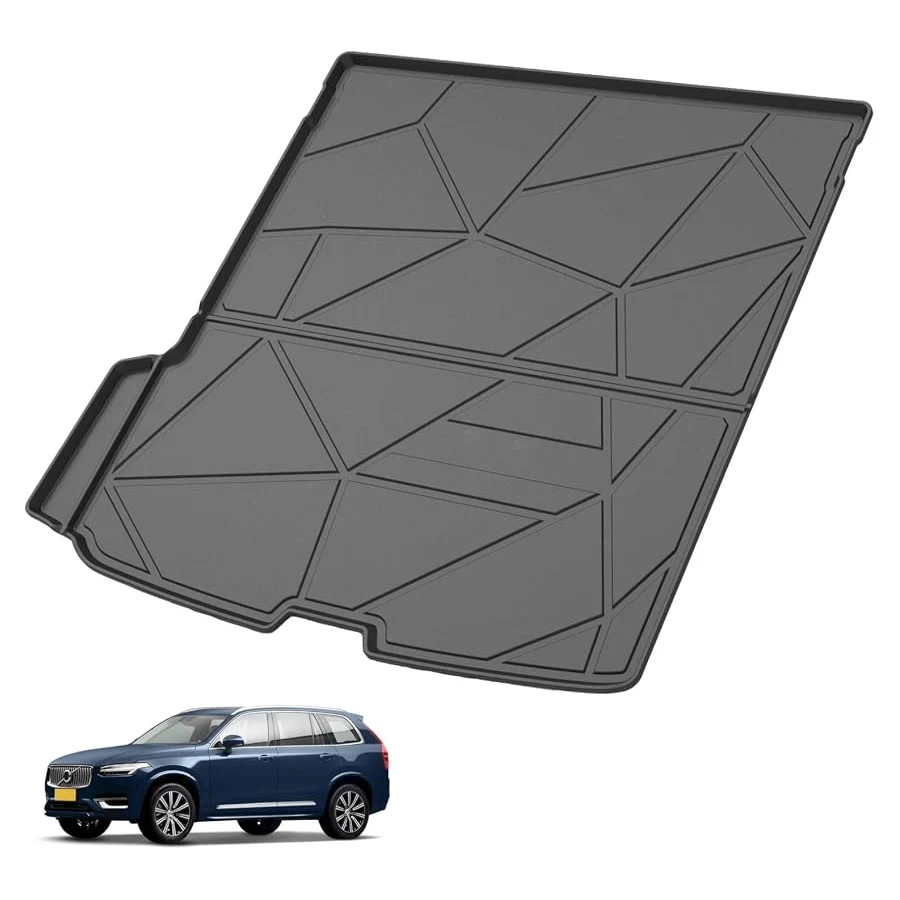
Elsetyler Cargo Liner for Volvo XC90 2016-2026, Black TPE All-Weather Waterproof Heavy-Duty Trunk Mat
A vehicle-fit accessory to compare for compatibility, daily usefulness, and value.
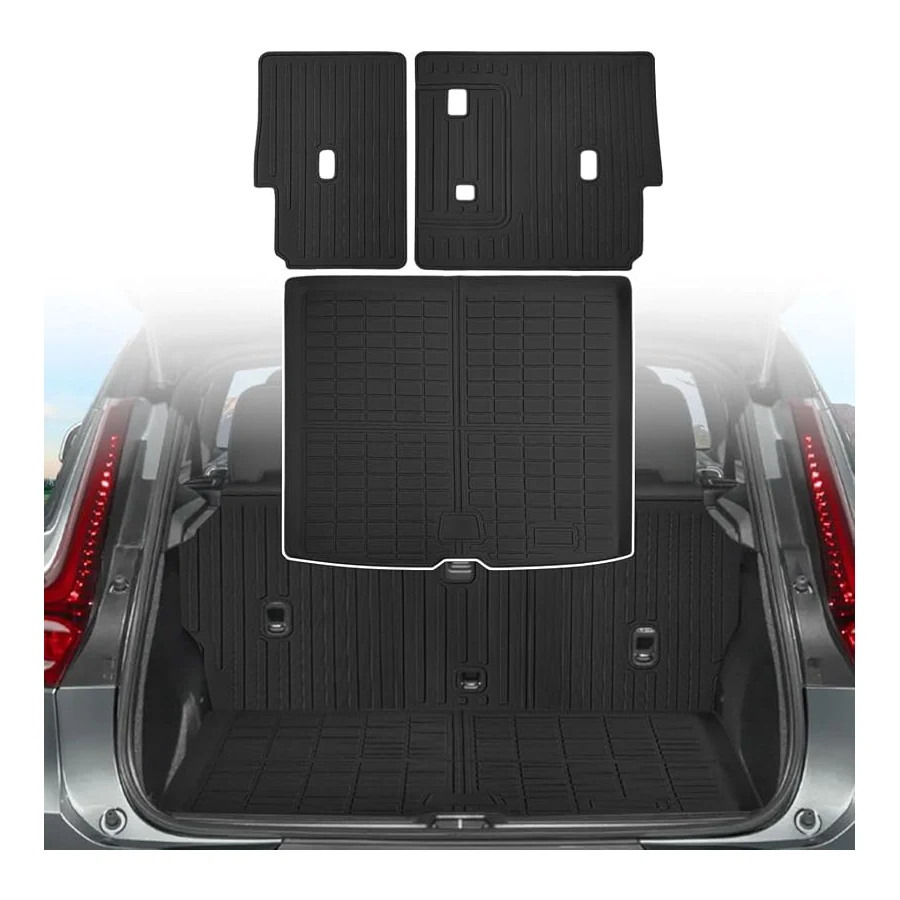 Best Value
Generic Cargo Liner and Backrest Mat for Volvo XC40 2018-2026, C40 2022-2024, All-Weather, Anti-Slip, 3-Piece Protector
A vehicle-fit accessory to compare for compatibility, daily usefulness, and value.
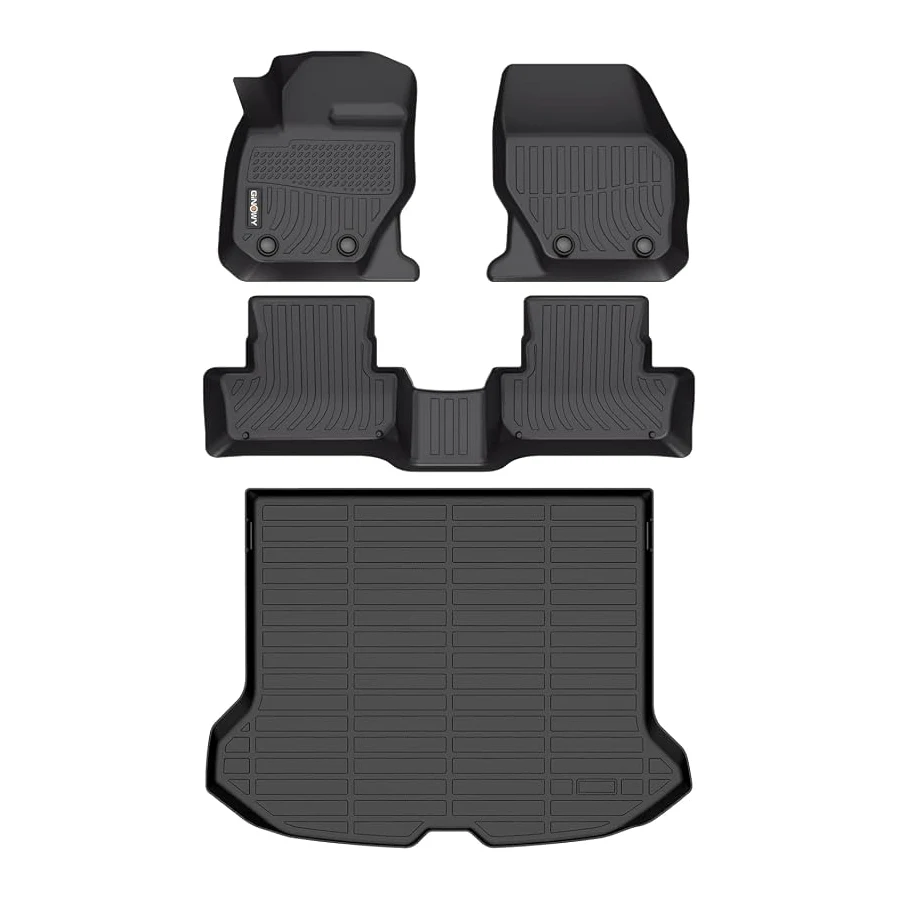 Best Premium Option
GINOWY Floor Mats and Cargo Liner for Volvo XC60 2010-2017, TPE All-Weather Rubber Trunk Set
A vehicle-fit accessory to compare for compatibility, daily usefulness, and value.
Sources and Methodology
U.S.-market focus with representative late-run years: 2008–2011 Volvo V50 and 2008–2010 Volvo V70. We aligned trims by common U.S. availability (V50 2.4i/T5; V70 3.2) and used manufacturer documentation and safety-agency data. Exact specs, options, and ratings vary by model year and VIN. Always confirm against the owner’s manual, window sticker, and agency databases. Data verification: August 2026.
Author

Author

Evans Torres
I’m Evans Torres, an automotive engineer who loves Volvo cars. I graduated in Automotive Engineering from USC. I have worked in the car industry for years and now share my knowledge on The Volvo Life. I started this blog to connect with other Volvo fans. I offer tips, news, and advice to help you care for your car. My goal is to help you keep your Volvo in great shape and find all the best things about it. Join me as we discover everything Volvo has to offer!