


Jump starter for Volvo XC90 — choose a 12V lithium unit rated 2000A+ peak for T5/T6/T8 gas models, and 2500A+ for the older 4.4L V8 or deep-winter use. Look for smart clamps with reverse-polarity protection and a 60–80Wh battery so it can also recharge between attempts.
A dead XC90 battery tends to show up on cold mornings or after lights were left on. A compact lithium booster can get you moving without waiting for roadside help, provided it’s sized for your engine and weather. For related context, you may also want to read is scanner for Volvo XC90.
Below you’ll find sizing by XC90 model, safe hookup steps, winter storage tips, and where to buy without falling for under-specced clones. This connects closely with OBD scanner for Volvo XC90 if you want to compare the topic in more detail.
- Main point: For most XC90s, a 12V lithium jump starter with 2000A+ peak is the sweet spot; step up to 2500A+ for the V8 or sub-zero winters.
- Best first step: Use the under‑hood jump posts (not the battery terminals) and connect the negative clamp to the designated ground point.
- Cost or value: Quality units run $100–$250; cheaper devices often inflate amp ratings and struggle in the cold.
- Who it suits: Daily drivers, cold-climate owners, and anyone with an XC90 over 4 years on the same battery.
- When to get help: If the XC90 needs multiple jumps in a week, test/replace the battery and check charging with an OBD2 scan.
Wants a dependable, glovebox-sized booster to avoid waiting for roadside assistance when the 12V quits.
Faces single‑digit temps and needs extra peak amps to overcome thick oil and reduced battery output.
Prefers a unit that can jump the XC90 and also recharge phones/tablets during long drives. You can also use can scanner for Volvo XC90 as a helpful next guide on the same ownership topic.
What a Jump Starter Does for a Volvo XC90 vs a Battery Charger
A portable jump starter delivers a quick burst of current to crank the engine immediately. It’s a short‑term rescue tool you carry in the car.
A battery charger conditions and replenishes the 12V over hours. It’s for maintenance at home, not roadside starts. Many chargers won’t start a dead XC90 on the spot. For another practical angle, see scanner for Volvo XC90.
Most owners benefit from both: a lithium jump pack in the cargo bin and a smart charger in the garage to recover a weak battery overnight.
Why Volvo XC90 Owners Should Carry a Jump Starter
Remote trailheads, airport parking, and winter mornings all have one thing in common: help isn’t nearby. A correctly sized booster lets you start, warm up, and drive to test or replace the battery on your terms.
Modern XC90s draw small standby power for security/telematics. A slightly aged AGM battery can drop below cranking voltage after short trips or extreme cold, making a compact jump pack a genuine time-saver.
SPA‑platform XC90s (2016+) place the 12V battery under the rear cargo area, but Volvo provides under‑hood jump posts. Using those posts protects sensitive electronics and gives a better ground connection than the battery’s negative terminal.
Here is a quick look at common XC90 scenarios and the right jump‑starter sizing so you aren’t guessing in bad weather.
For the broadest safety margin, match the highest‑demand case you might face (older V8 or deep‑cold mornings) rather than buying the smallest unit that “might” work.
| Situation | Why a Jump Starter Helps | Recommended Peak Amps |
|---|---|---|
| 2016+ T5/T6 (2.0L turbo/super) | High compression + winter load | 2000A+ |
| 2016+ T8 Recharge (PHEV) | 12V must wake HV system | 2000A+ (12V only) |
| 2005–2014 3.2 I6 | Larger displacement, aging 12V | 2000–2500A |
| 2005–2011 4.4L V8 | Big V8 needs higher burst | 2500A+ |
| Single‑digit °F starts | Cold slashes battery output | Add +500A overhead |
| Multiple restarts in one day | Reserve capacity matters | 60–80Wh battery pack |
Best Jump Starter Types for Volvo Cars and SUVs
Lithium jump starters dominate for XC90 use. They’re small, hold charge for months, and deliver high peak current relative to size.
Heavy‑duty “brick” boosters with larger clamps are worthwhile for the V8 or frequent sub‑zero conditions. Prioritize smart clamps with reverse‑polarity and short‑circuit protection.
- Lithium power bank style: 1500–3000A peak, USB‑C charging, best size‑to‑power ratio for glovebox carry.
- Heavy‑duty lithium: Larger internal cells, beefy clamps, better for V8/deep cold, still portable.
- Lead‑acid boosters: Bulky, strong bursts, okay for garages, not ideal to haul in an XC90.
Diesels and large gasoline engines demand higher peak current than small turbo fours. Hybrids only need to wake the 12V system. Fully electric Volvos typically don’t need a traditional jump, though their 12V can still be supported at the posts if required.
Volvo XC90 Model‑Based Jump Starter Guide
Engine and platform determine how much current you need. Use these model‑line pointers to size confidently without overspending.
Newer XC90s use efficient 2.0L engines but still need a strong initial burst, especially below freezing.
- 2005–2011 XC90 V8 (4.4L): 2500A+ recommended, with heavy‑duty clamps for better conductor contact.
- 2007–2014 3.2 I6: 2000–2500A; pick the higher range for aged batteries or colder states.
- 2016+ T5/T6 (2.0L): 2000A+ with quality smart clamps and a battery pack around 60–80Wh.
- 2016+ T8 Recharge (PHEV): 2000A+—you’re jumping the 12V system only; it wakes the HV pack to start the car.
Need a fresh 12V instead of another boost? See our detailed picks for the best battery for Volvo XC90 to solve repeat no‑starts.
Jump Starter Advice for Volvo Diesel, Hybrid, and Electric Models
European‑market XC90 diesels need more amperage due to higher compression—treat them like the V8 and spec 2500A+. In the USA, focus on gas and T8 hybrid guidance.
T8 PHEV owners only support the 12V system. Once awake, the car can engage the high‑voltage pack. Never connect a booster to any orange‑cabled HV component.
Never attempt to jump or probe the high‑voltage battery on any hybrid or EV. Use the under‑hood 12V jump posts only. If the 12V battery is swollen, leaking, or frozen, do not jump it—replace it safely instead.
What Size Jump Starter Do You Need?
Five factors decide sizing: engine displacement, compression (diesel vs gas), temperature, battery age, and cable/clamp quality. Undersized units fail most often in the cold or on larger engines.
As a rule, buy for the worst conditions you expect, not the mildest you hope for.
- Peak amps: 2000A+ (gas/T8), 2500A+ (V8/diesel/cold).
- Cranking amps: Prioritize brands that list true cranking amps or Joules Start Rating (JSR) for realistic performance.
- Battery capacity: 60–80Wh supports multiple attempts and device charging.
- Clamps/cables: Thick, springy clamps and short, heavy cables reduce voltage drop.
- Cold rating: Look for tested output at 0°F/‑18°C if you see real winters.
- Store the jumper indoors overnight during cold snaps; a warm pack delivers more current.
- Pre‑charge to 100% before trips; top up every 2–3 months otherwise.
- Use the XC90’s chassis ground post for the negative clamp—avoid the battery’s negative terminal.
- After starting, idle 20–30 minutes or drive to recharge the 12V, then test it soon.
How To Use a Jump Starter on a Volvo XC90 Safely
Preparation and correct clamp order prevent sparks and module damage. Read your jump pack’s manual first, then follow Volvo’s under‑hood post layout. If you’re unsure of the posts, check the owner’s manual or Volvo Support for your exact year.
- Park and secure: Put the XC90 in Park, set the parking brake, and switch off all accessories.
- Locate posts: Open the hood; find the red positive post and the designated ground point.
- Connect positive (+): Attach the red clamp to the red positive post firmly.
- Connect ground (–): Attach the black clamp to the chassis ground post, not the battery negative.
- Power the booster: Turn on the jump starter; wait for the “ready” light.
- Start the engine: Crank for up to 3–5 seconds. If it fails, wait 30–60 seconds and try again once.
- Disconnect safely: Remove the black clamp first, then the red clamp.
- Recharge the pack: Top up your jump starter as soon as practical.
If clamps spark heavily, stop and re‑check polarity and the ground point. Never jump a visibly damaged, frozen, or leaking battery—replace it instead to avoid fire or explosion risk.
How to Charge and Store a Jump Starter in Winter
Lithium packs lose output in the cold. Keep yours above freezing when possible, and pre‑warm it in the cabin before use on sub‑zero days.
Charge to 100% before trips, and maintain at 60–80% if storing long‑term. Cycle the battery every few months to keep cells healthy.
Where to Buy a Jump Starter for Volvo XC90
Amazon and major auto parts stores carry reputable brands and offer hassle‑free returns. Best Buy and big‑box retailers often stock mid‑to‑high amp models in winter.
Check seller authenticity and reviews that mention Volvo or similar engines. Avoid listings with unrealistic amp claims and tiny, flimsy clamps.
After a successful jump, scan charging and battery health to confirm the root cause. A compact OBD2 scanner for XC90 can read battery voltage and charging faults before they strand you again.
Jump Starter Troubleshooting
No “ready” light or weak cranking usually points to a low jump pack, poor clamp contact, or an undersized unit. Cold amplifies all three.
Warm the booster, reseat clamps on clean metal, and try a second short crank. If the engine still won’t turn, the 12V may be failed, or another fault is present.
- No power in pack: Recharge fully; some packs auto‑shut after failed attempts.
- Reverse polarity lockout: Reconnect correctly; many clamps need reset time.
- Bad ground: Move the black clamp to the factory ground post.
- Too small a unit: Upgrade to 2000–2500A+
- Separate issue: Alternator, starter, or immobilizer faults require diagnosis.
Common Mistakes to Avoid — and When to Replace the Battery Instead
Wrong clamp order, clamping on painted/dirty metal, or jumping a damaged battery are the fastest ways to turn a quick rescue into a bigger problem. Take 30 seconds to verify posts and polarity.
Needing two or more jumps in a week, slow cranking after long drives, or a 12V older than 4–6 years means it’s time to replace. Start with our best battery for Volvo XC90 picks, and consider a remote start key for the XC90 only once the 12V system is healthy.
Once you’ve jumped and driven, schedule a proper battery test. A reliable pack is cheaper than repeated tow calls.
💡 Evans Torres Tip: I keep a 2000A lithium booster in my XC90 and rotate it onto a USB‑C charger the first weekend of every month. In February last year, it started my T6 at 5°F after the car sat a week at the airport. Warming the pack inside the cabin for five minutes made the difference.
Frequently Asked Questions
This section answers quick XC90‑specific questions owners ask after buying or using a booster: exact sizing by engine, safe connection points, hybrid cautions, winter charging habits, and when to stop jumping and replace the 12V instead.
What size jump starter do I need for a Volvo XC90 T6 or T5?
Go with a 12V lithium unit rated 2000A+ peak, with robust clamps and at least a 60Wh internal battery. This gives reliable cold‑weather cranking for the 2.0L turbo/supercharged engines and multiple attempts if the first try doesn’t catch.
Can I jump start a Volvo XC90 T8 Recharge hybrid?
Yes—only the 12V system gets jumped. Use the under‑hood positive post and the chassis ground. The 12V wakes the high‑voltage system so the car can boot. Never connect a jump starter to any orange‑cabled HV components.
Where are the jump start points on the XC90?
Under the hood you’ll find a red positive post and a designated ground point for the negative clamp. Even though the main battery sits under the rear cargo floor on many models, use the front posts to protect electronics and ensure a solid ground.
Will a 1000A jump starter work in winter?
Often not. Cold slashes output from both your 12V and the booster. A 2000A+ unit offers the overhead needed for single‑digit starts, thicker oil, and the higher draw of modern engines and accessories.
How often should I recharge a portable jump starter?
Top it to 100% before trips and every 2–3 months otherwise. In winter, bring it indoors and keep it warm before use—lithium chemistry delivers more current at comfortable temperatures than when stored in a freezing garage.
Can a jump starter damage my XC90’s electronics?
Quality boosters with reverse‑polarity and short‑circuit protection are safe when used on the factory posts with correct order. Most issues stem from reversed clamps, poor grounds, or jumping a damaged battery—avoid all three and you’re fine.
When should I stop jumping and replace the battery?
Replace the 12V if you need multiple jumps in a week, if it’s 4–6+ years old, or if cranking stays slow after a highway drive. After a jump, scan for charging faults and consider a proper load test to confirm battery health.
Final Verdict
Spec a 12V lithium jump starter at 2000A+ for T5/T6/T8 and 2500A+ for the V8 or deep cold, and keep it charged and warm when the temperature drops.
Use the under‑hood posts with the negative on the chassis ground, not the battery terminal. If the XC90 needs repeat jumps, test and replace the 12V rather than relying on the booster again.
A well‑sized pack turns a no‑start into a 5‑minute delay instead of a ruined day—buy once, size right, and you’re covered.
My Top Picks at a Glance
Here are the three jump starter options I would check first if you want a faster buying decision.
These picks highlight the strongest overall choice, the best value option, and the premium-style pick for practical Volvo ownership.
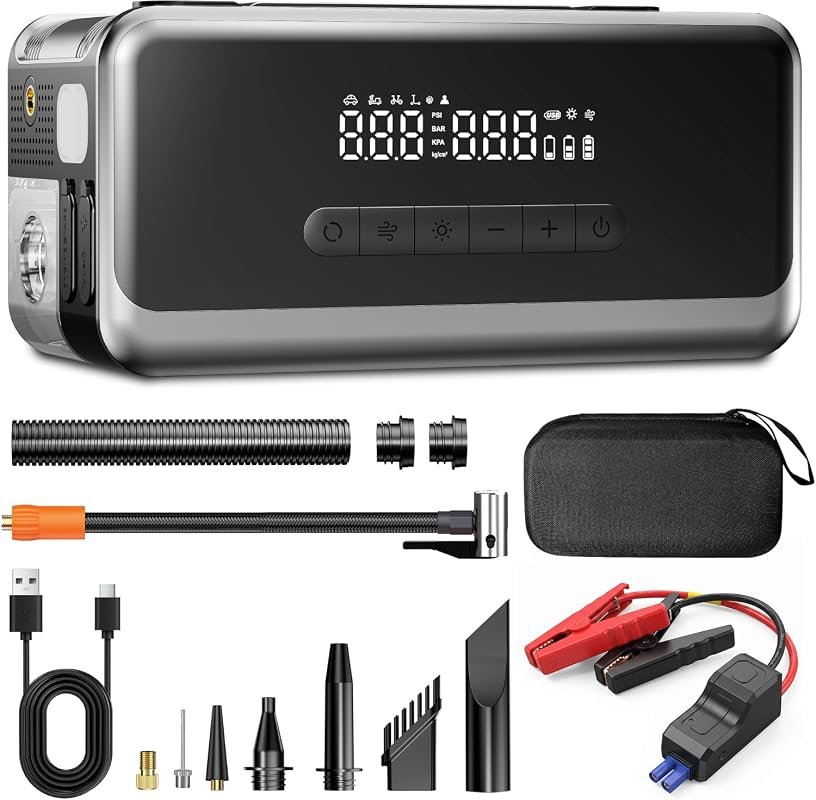 Best Overall
Portable 4000A car jump starter with 12V air compressor, LED, for 9.0L gas/8.0L diesel engines.
It offers the strongest all-around mix of fit, value, and practical daily use for Volvo owners.
 Best Value
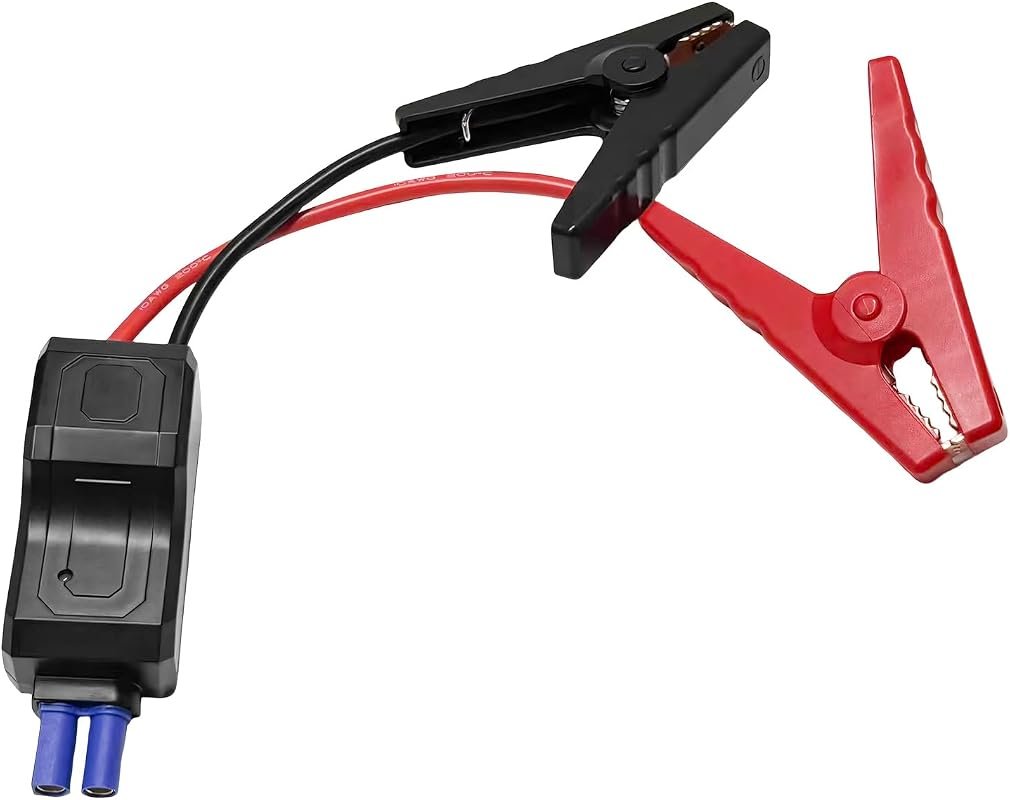
EC5 jump starter cable with heavy-duty alligator clamps, 12V, 10AWG wires, emergency booster for cars, SUVs, trucks.
It makes sense for owners who want a useful upgrade without paying more than necessary.
 Best Premium Option
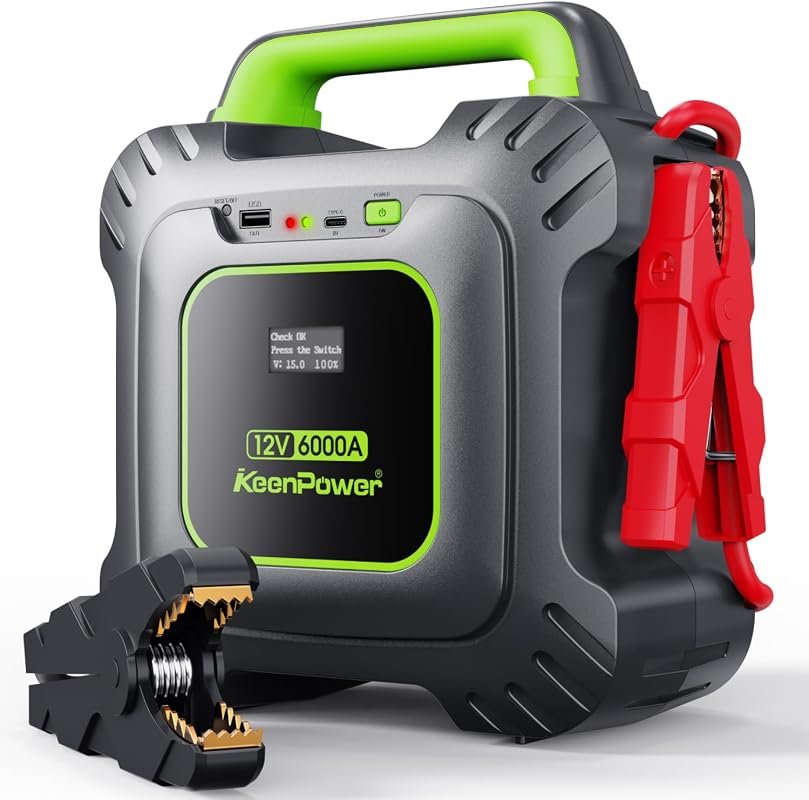
KeenPower 6000A supercapacitor jump starter, no battery needed, 1-minute charge, works to -45°F, for 12V vehicles.
It is the pick I would compare first if build quality, features, and long-term ownership value matter most.
Author

Author

Evans Torres
I’m Evans Torres, an automotive engineer who loves Volvo cars. I graduated in Automotive Engineering from USC. I have worked in the car industry for years and now share my knowledge on The Volvo Life. I started this blog to connect with other Volvo fans. I offer tips, news, and advice to help you care for your car. My goal is to help you keep your Volvo in great shape and find all the best things about it. Join me as we discover everything Volvo has to offer!