


Volvo V40 alternator problems often manifest in various ways, which can differ slightly by model year and engine type. Common issues include:
Volvo V40 alternator problems can lead to several electrical issues and vehicle performance concerns. Understanding these problems and knowing how to identify and fix them is essential for maintaining your V40’s reliability.
- Understanding the Volvo V40 Alternator: The Volvo V40 was produced from 1995 to 2019, spanning multiple generations and several.
- Common Alternator Problems in the: Volvo V40 alternator problems often manifest in various ways, which can differ slightly by.
- How to Diagnose Alternator Issues: Diagnosing alternator problems involves a systematic approach..
- Symptoms of a Failing Alternator: Several symptoms can indicate a failing alternator in your Volvo V40..
- Step-by-Step Guide to Troubleshoot Your: Troubleshooting alternator issues can save you time and money..
Understanding the Volvo V40 Alternator
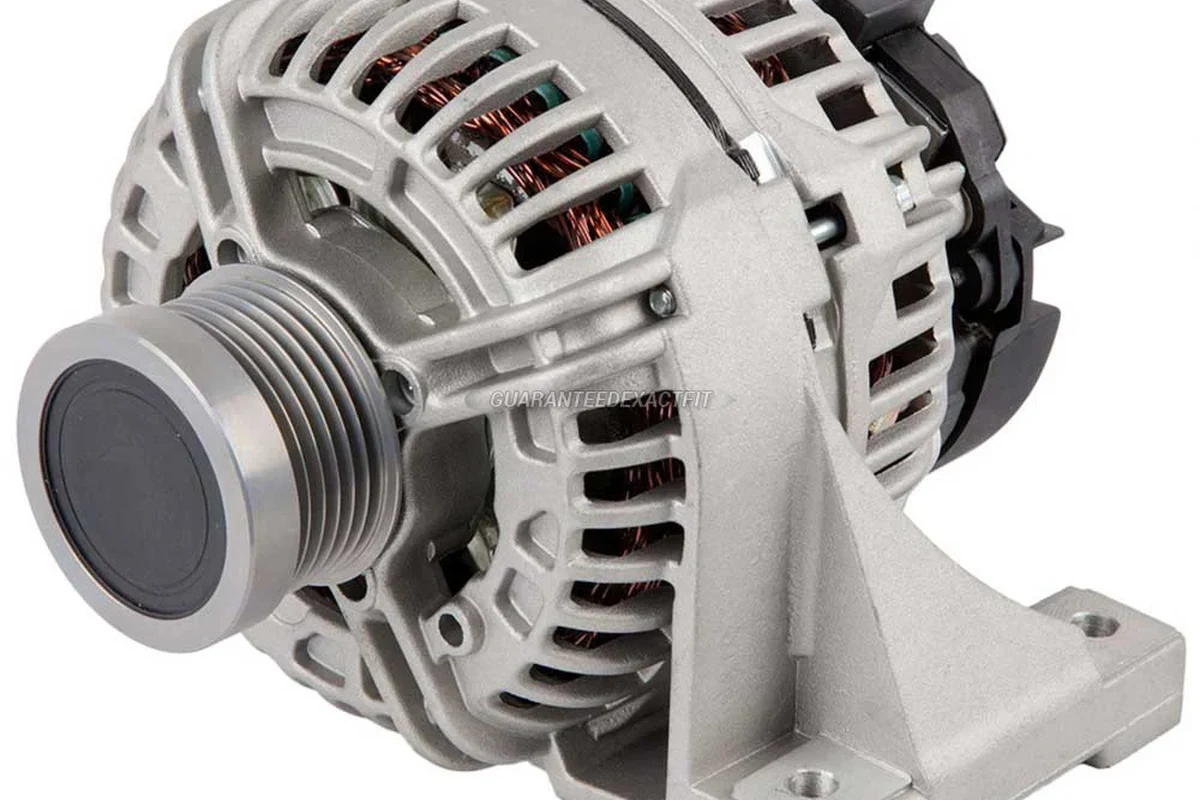
The Volvo V40 was produced from 1995 to 2019, spanning multiple generations and several notable specifications. Its alternator matters for the vehicle’s electrical system, charging the battery and powering various electrical components.
Depending on the model year, alternators can vary in design and output, affecting performance and reliability.
Overview of the Volvo V40 Model Years and Generations
The V40 has seen several generations, notably the P1 and P2 platforms. The first generation ran from 1995 to 2004, while the second generation continued from 2012 to 2019. For official guidance on this, see Volvo Cars official website.
Each generation has its unique specifications, including engine options ranging from gasoline to diesel variants. Understanding the specific model year and trim can help identify alternator issues more accurately. For related context, read how to reset volvo v40 service light.
Common Alternator Problems in the Volvo V40
Volvo V40 alternator problems often manifest in various ways, which can differ slightly by model year and engine type. Common issues include: You can also use how to reset oil light 2018 volvo v90 as the next practical guide.
- Battery warning light: This light may illuminate due to insufficient charging by the alternator.
- Dimming lights: Flickering or dimming headlights can indicate alternator failure.
- Strange noises: Grinding or whining noises might suggest bearing issues within the alternator.
Specifications copied across websites often mix markets and model years; confirm any figure you plan to rely on with the official source.
How to Diagnose Alternator Issues in Your Volvo V40
Diagnosing alternator problems involves a systematic approach. Here’s a step-by-step guide:
- Check battery connections: Ensure that the battery terminals are clean and securely connected.
- Examine electrical components: Look for any signs of corrosion or wear in the wiring connected to the alternator.
- Test the alternator output: Use a multimeter to measure the voltage output; it should typically be between 13.8 and 14.5 volts.
💡 Evans Torres Tip: When two sources give different figures for the same Volvo, check the market first; many apparent contradictions are simply US versus European specifications.
Symptoms of a Failing Alternator
Several symptoms can indicate a failing alternator in your Volvo V40. Key signs to watch for include:
Dimming dashboard lights: Reduced illumination can signal electrical problems. Electrical failures: Malfunctioning power windows or radio can also point to alternator issues. Frequent battery dead: If your battery discharges quickly, it may be due to insufficient charging from the alternator. For related context, read how to turn on fog lights on volvo xc40.
Step-by-Step Guide to Troubleshoot Your Volvo V40 Alternator
Troubleshooting alternator issues can save you time and money. Follow these structured steps: For official guidance on this, see US Department of Energy Alternative Fuels Data Center.
- Listen for unusual sounds: Start your vehicle and listen for any whining or grinding noises coming from the alternator.
- Inspect the alternator belt: Check for wear or looseness in the serpentine belt that drives the alternator.
- Perform a voltage test: Use a multimeter to confirm the alternator’s output voltage during engine operation.
Replacing the Alternator in a Volvo V40
Replacing the alternator is a task that can be done with some mechanical knowledge. Here’s how to proceed: You can also use how to reset maintenance light on volvo xc40 as the next practical guide.
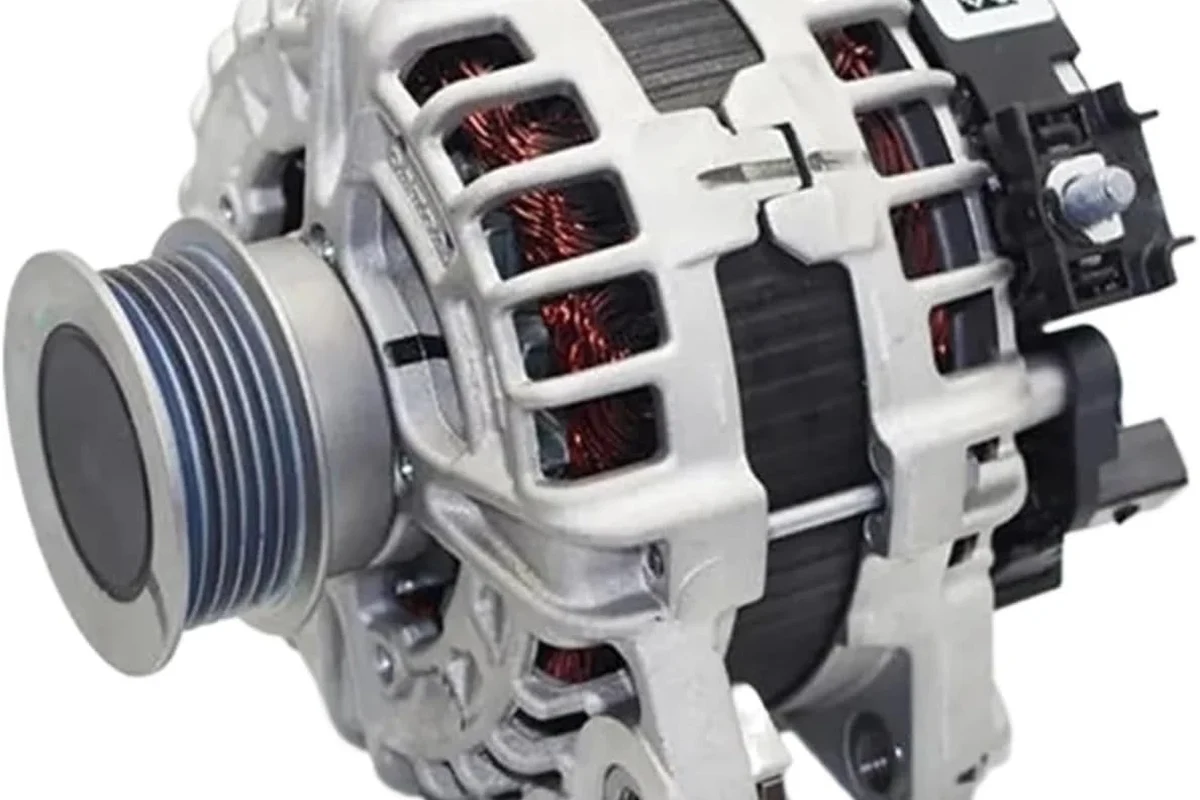
- Gather necessary tools: You’ll need a socket set, wrench, and a multimeter.
- Disconnect the battery: Always disconnect the negative terminal first to avoid shocks.
- Remove the old alternator: Unscrew the mounting bolts and carefully detach the electrical connectors.
- Install the new alternator: Reverse the removal steps, ensuring all connections are tight.
The details on volvo v40 alternator problems vary by market and model year, so treat figures here as a guide and confirm them against the official specification for your car.
Maintenance Tips to Prevent Alternator Problems
Preventing alternator problems involves regular maintenance. Here are some best practices:
Regular inspections: Check the alternator and battery connections for corrosion. Monitor electrical system: Be aware of any changes in electrical performance. Replace worn belts: Ensure that the serpentine belt is in good condition and properly tensioned. For related service checks, see reset volvo v60 service light.
Conclusion: Keeping Your Volvo V40’s Alternator in Check
Addressing alternator issues promptly is crucial for maintaining your Volvo V40’s performance. Regular checks and early diagnosis can prevent more significant problems down the line. Keep an eye on the symptoms and follow maintenance tips to ensure your alternator functions efficiently. You can also use reset volvo xc60 maintenance light as the next practical guide.
Identifying and Fixing Volvo V40 Alternator Problems
To maintain your Volvo V40’s reliability, it’s essential to recognize and address alternator issues promptly. Common signs include a battery warning light, dimming lights, and unusual noises.
A systematic approach to diagnosing these problems—such as checking battery connections and testing the alternator output—can help ensure your vehicle remains in optimal condition. For related context, read volvo s60 maintenance light reset.
- Inspect battery connections for cleanliness and security.
- Listen for grinding or whining noises from the alternator.
- Use a multimeter to verify the alternator’s output voltage is between 13.8 and 14.5 volts.
This guide on volvo v40 alternator problems is general information. Rules, fees, rents, salaries, service coverage, product details, and procedures can change, so confirm important points with the manufacturer, retailer, or official app documentation before acting.
Questions People Also Ask
Common symptoms include dimming dashboard lights, malfunctioning electrical components like power windows or radio, and frequent battery discharges. These issues often indicate insufficient charging from the alternator.
Diagnosing alternator issues involves checking battery connections for cleanliness, inspecting electrical components for corrosion, and testing the alternator output with a multimeter. The output voltage should typically range between 13.8 and 14.5 volts during engine operation.
Unusual sounds such as whining or grinding noises coming from the alternator may suggest bearing issues within the unit. Listening for these sounds when starting the vehicle can help identify potential problems early.
To troubleshoot, start by listening for unusual sounds, inspecting the alternator belt for wear, and performing a voltage test with a multimeter. These steps will help pinpoint whether the alternator is functioning correctly.
You’ll need a socket set, wrench, and multimeter to replace the alternator. Also, always disconnect the battery’s negative terminal first to avoid electric shocks during the replacement process.
Regular inspections of the alternator and battery connections for corrosion, monitoring electrical system performance, and replacing worn belts are essential. These preventative measures can help ensure optimal alternator functionality and longevity.
Final Thoughts
Understanding the common problems and maintenance of the alternator in your Volvo V40 can save you time, money, and stress. Keep up with regular inspections and address any issues as soon as they arise to enjoy a reliable driving experience.
