
For potential buyers and current owners, knowing which model years of the Volvo XC90 to avoid is crucial for ensuring a reliable driving experience. The XC90 has a reputation for safety and comfort, but certain years are notorious for their issues.
The Volvo XC90 best years to avoid for reliability are primarily the 2003, 2004, and 2005 model years. These models have been commonly reported to have various issues that can affect ownership experience.
- Identifying the Volvo XC90’s Less: For potential buyers and current owners, knowing which model years of the Volvo XC90.
- Volvo XC90: Model Years to: While the XC90 is generally well-regarded, some model years stand out as less reliable..
- Engine Types and Their Impact: The XC90 has been offered with various engine options over the years, including the.
- Transmission Reliability: What You Need: The XC90’s transmission has also contributed to reliability concerns..
- The Importance of Maintenance History: When considering a used XC90, a comprehensive maintenance history is essential..
Identifying the Volvo XC90’s Less Reliable Model Years
For potential buyers and current owners, knowing which model years of the Volvo XC90 to avoid is crucial for ensuring a reliable driving experience. The XC90 has a reputation for safety and comfort, but certain years are notorious for their issues.
Here, we’ll explore the specific model years that have garnered negative feedback from owners and reliability surveys. For related context, read best engine oil for volvo xc90.

Volvo XC90: Model Years to Avoid for Reliability
While the XC90 is generally well-regarded, some model years stand out as less reliable. The 2003, 2004, and 2005 models are particularly problematic, with a range of issues reported.
These years are marked by high maintenance costs and frequent repairs, which can lead to frustration for owners. This also connects with best engine for volvo xc90 before you pay, sign, or book.
Common Issues Found in the XC90’s Problematic Years
Owners of the 2003-2005 XC90s have reported several common issues:
- Transmission Problems: Many owners experienced rough shifting and premature transmission failures.
- Electrical Failures: Various electrical issues, including malfunctioning lights and dashboard warnings, are frequently reported.
- Suspension Wear: The suspension components tend to wear out faster than expected, leading to a bumpy ride.
- Engine Problems: Some owners reported engine stalling and overheating issues, particularly in the 2004 model.
Be cautious of purchasing a 2003-2005 XC90 without a thorough inspection, as these models have documented reliability concerns.
Engine Types and Their Impact on XC90 Reliability
The XC90 has been offered with various engine options over the years, including the inline-6 and V8. The 2003-2005 models primarily feature the 2.5L turbocharged inline-5 and the 4.4L V8 engines.
Unfortunately, both engines have been associated with reliability issues. The inline-5 engine, while efficient, has been noted for turbocharger failures, while the V8 is known for oil leaks and other engine troubles. For related context, read best volvo xc90 engine 2.
Before buying, check the service history of the XC90 to see if the transmission has been serviced. Early transmission failures can be expensive to repair.
Transmission Reliability: What You Need to Know
The XC90’s transmission has also contributed to reliability concerns. The early models often came with a 5-speed automatic transmission, which has been linked to problems such as harsh shifting and slipping. For official guidance on this, see Consumer Reports car guidance.
Regular maintenance is crucial to prolong the life of these transmissions, but many owners have reported issues regardless of care. You can also use volvo d11 engine review as the next practical guide.
Confirm that every recall and service campaign for the car’s VIN has been completed, whatever its reliability reputation.
The Importance of Maintenance History in Used XC90s
When considering a used XC90, a comprehensive maintenance history is essential. Models from 2003-2005 require diligent care, and evidence of regular servicing can greatly influence reliability. Missing records can indicate neglect, leading to potential issues down the line. For related service checks, see best aftermarket volvo parts.
Common Failure Patterns in the Volvo XC90 Systems
Beyond the engine and transmission, several systems in the XC90 are prone to failure, particularly in the problematic model years. Common issues include:
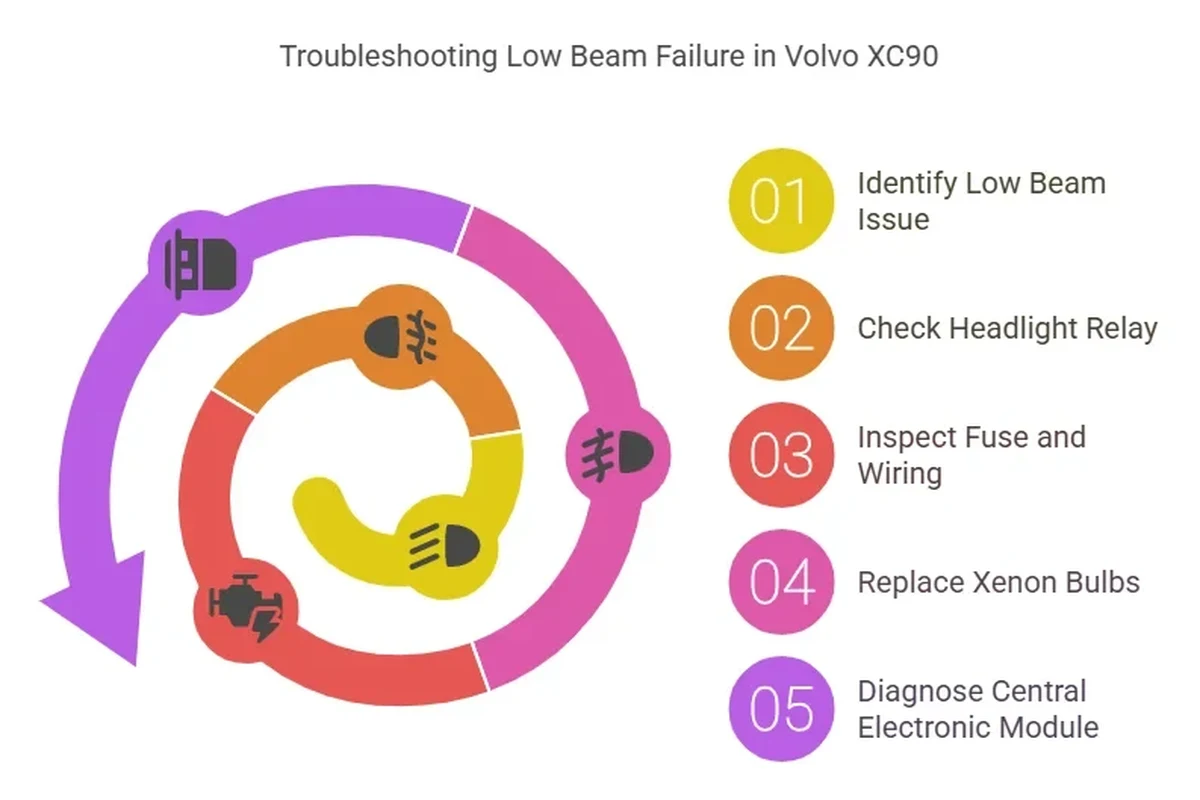
Cooling System Failures: Overheating can be an issue due to leaks or radiator failures. Brake Wear: Some owners report premature brake wear, particularly in the earlier models. Air Conditioning Problems: The A/C systems in these models tend to malfunction, often requiring expensive repairs.
Inspection Checklist for Potential Buyers
Before purchasing a used XC90, use this checklist to ensure you’re making a sound decision: You can also use custom fit tpe floor mats volvo xc40 as the next practical guide.
- Check the service records for regular maintenance.
- Inspect for any warning lights on the dashboard.
- Test drive to evaluate transmission smoothness and engine performance.
- Look for signs of oil leaks under the vehicle.
- Examine the suspension for unusual wear or noise.
- Listen for unusual noises during the drive.
- Test the responsiveness of the brakes and transmission.
- Check all electronic features, including A/C and lighting.
Cost Exposure for Repairs on the XC90’s Worst Years
Repair costs for the 2003-2005 XC90s can add up quickly, particularly if the vehicle has not been well-maintained. Common repairs include:
Transmission replacement: can range from $3,000 to $5,000 depending on the extent of the damage. Engine repairs: major issues can lead to costs of $2,000 to $4,000. Suspension repairs: replacing worn components can cost anywhere from $1,000 to $2,500. For related service checks, see best coolant for volvo t5 engine.
Owner-Reported Experiences: What Do They Reveal?
Owner feedback on forums and reviews has highlighted significant concerns related to the 2003-2005 XC90 models. Many owners express frustration over the frequency of repairs and the costs associated with maintaining these vehicles. For official guidance on this, see Volvo Cars official website.
However, owners of later models often report a more reliable experience, indicating improvements in design and engineering. You can also use best coolant for an i5 volvo engines as the next practical guide.
Always ask for a detailed service history to gauge potential future repair costs. A well-maintained vehicle is likely to incur fewer costs.
Volvo XC90 Best Years to Avoid for a Trouble-Free Ride
To ensure a reliable driving experience with the Volvo XC90, it’s wise to steer clear of the 2003, 2004, and 2005 model years.
These models are notorious for transmission problems, electrical failures, and engine issues, which can lead to high maintenance costs and frequent repairs. A thorough inspection and service history review are essential when considering these models.
- Check the service records for regular maintenance on the vehicle.
- Inspect for any warning lights on the dashboard before purchasing.
- Test drive to evaluate the smoothness of the transmission and overall engine performance.
This guide on volvo xc90 best years to avoid is general information. Rules, fees, rents, salaries, service coverage, product details, and procedures can change, so confirm important points with the manufacturer, retailer, or official app documentation before acting.
Questions Worth Asking
The Volvo XC90 model years to avoid for reliability are 2003, 2004, and 2005. These models are known for a range of issues that can negatively impact ownership experience.
Owners of the 2003-2005 Volvo XC90s frequently report transmission problems, electrical failures, suspension wear, and engine issues. These problems often lead to high maintenance costs and frequent repairs.
The 2003-2005 XC90 models primarily feature a 2.5L turbocharged inline-5 and a 4.4L V8 engine, both of which have been associated with reliability issues. The inline-5 has notable turbocharger failures, while the V8 is known for oil leaks and other troubles.
A comprehensive maintenance history is crucial for used XC90s, particularly the 2003-2005 models, as regular servicing can significantly influence reliability. Missing records may indicate neglect, leading to potential issues in the future.
Repair costs for the 2003-2005 XC90s can be substantial, with transmission replacements ranging from $3,000 to $5,000 and major engine repairs costing between $2,000 and $4,000. Suspension repairs can also add significant expenses, ranging from $1,000 to $2,500.
Owner feedback on the 2003-2005 XC90 models often expresses frustration due to the frequency of repairs and associated costs. In contrast, owners of later models report a more reliable experience, suggesting improvements in design and engineering.
Wrapping Up
For a trouble-free ride, it’s best to avoid the 2003, 2004, and 2005 Volvo XC90 models due to their common reliability issues. Ensuring that you thoroughly research and inspect any used XC90 can help mitigate potential problems.
Author

💡 Evans Torres Tip: On every Volvo I have owned, I always keep a full digital service record from day one. When something goes wrong — and eventually something always does — having that history makes diagnosis faster and often saves money at the mechanic. Start your records today, even if the car is not new.