
Being aware of these models and years can help you avoid potential headaches and save on future costs.
Volvo years to avoid include certain models known for reliability issues. Understanding which years to skip can save you from costly repairs and frustrations down the road. This article details specific models and years to consider avoiding.
- Understanding Volvo Reliability: Years to: Volvo has a longstanding reputation for safety and reliability, making it a favorite among.
- Volvo Years to Avoid: Specific: Several Volvo models have been noted for reliability issues, particularly in certain production years..
- Common Problems in Problematic Volvo: Understanding the common issues associated with the problematic Volvo years is crucial..
- Engine and Transmission Types: What: Specific engines and transmissions have been linked to higher failure rates in the problematic.
- The Role of Maintenance History: A vehicle’s maintenance history plays a significant role in its overall reliability..
Understanding Volvo Reliability: Years to Steer Clear Of
Volvo has a longstanding reputation for safety and reliability, making it a favorite among families and daily drivers. However, like any automaker, not all Volvo models or production years have performed equally well.
This guide highlights the specific years that have been flagged for reliability concerns, helping you make a smarter purchase decision. For related context, read why do you need a volvo penta marine engine real guides.
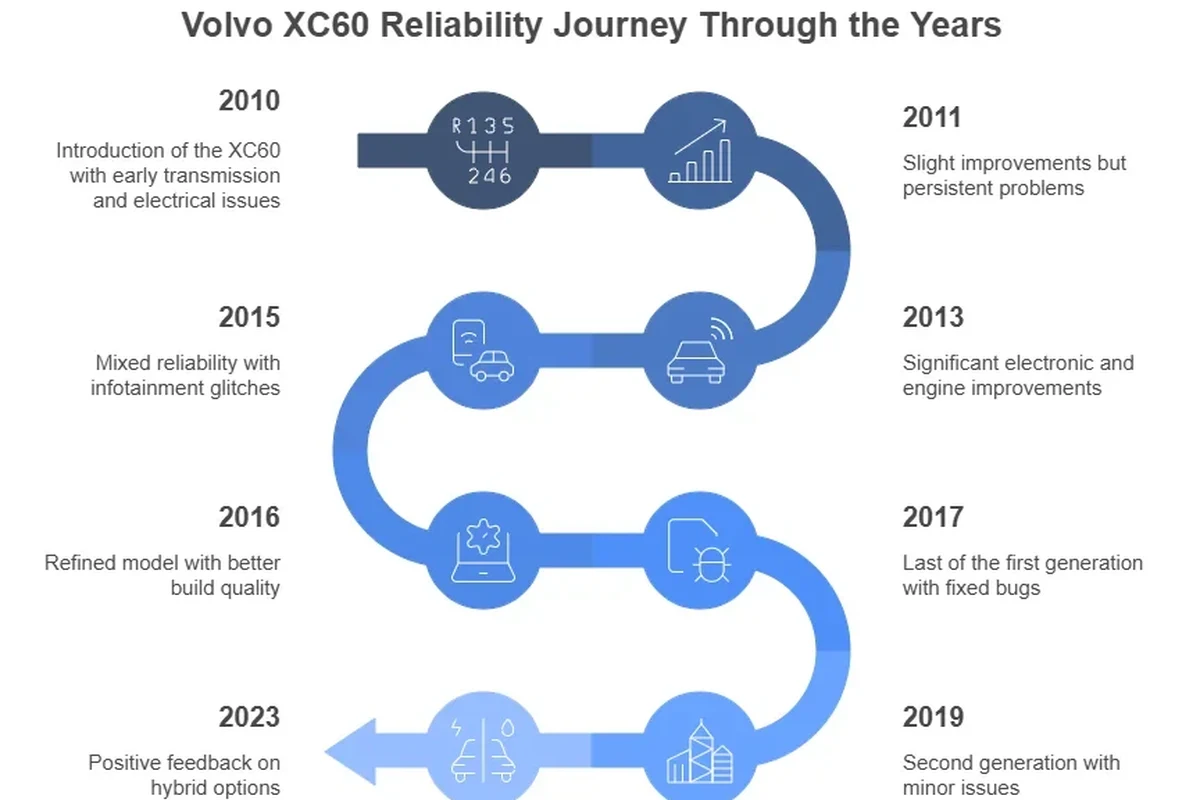
Volvo Years to Avoid: Specific Models and Their Issues
Several Volvo models have been noted for reliability issues, particularly in certain production years. Here’s a list of some key models and years to consider avoiding:
- Volvo S60 (2001-2002): Commonly reported transmission failures.
- Volvo S80 (2000-2005): Frequent electrical system issues and engine problems.
- Volvo XC90 (2003-2006): Notable for engine oil leaks and transmission failures.
- Volvo V70 (2001-2007): Reports of electronic issues and suspension problems.
- Volvo C30 (2007-2010): Issues with electrical components and turbo failures.
Being aware of these models and years can help you avoid potential headaches and save on future costs. This also connects with cost of volvo scheduled maintenance after 3 years before you pay, sign, or book.
- Look for a documented service history before looking at the paint.
- Ask which known weak points for that engine were already addressed.
- Have the car scanned for stored fault codes during the inspection.
Common Problems in Problematic Volvo Years
Understanding the common issues associated with the problematic Volvo years is crucial. Here are some frequently reported problems:
Engine Failures: Certain models, especially the S80 and XC90, are known for premature engine wear. Electrical Failures: Issues with wiring and electronic systems have been reported, particularly in the S60 and V70. Transmission Issues: Many owners have experienced transmission slippage and failure, especially in the S60 and XC90. Suspension Problems: Models like the V70 have noted issues with the suspension system leading to a rough ride. For related context, read what oil for a 3 2 volvo engine.
Awareness of these problems can guide you in your purchase and maintenance decisions.
Engine and Transmission Types: What to Watch For
Specific engines and transmissions have been linked to higher failure rates in the problematic years. Here’s what to watch for: For official guidance on this, see Volvo Cars official website.
- Engines: The 2.5L turbocharged inline-5 in models like the S60 and XC90 has had reports of reliability issues.
- Transmissions: The 5-speed automatic transmission in the S60 and V70 is known for slipping and failure.
When considering a used Volvo, pay close attention to these engine and transmission types to avoid potential problems. You can also use what kind of oil for a 4 3 volvo penta engine as the next practical guide.
- Listen for any unusual engine noises during the drive.
- Check how the transmission shifts during acceleration.
- Examine the brake response for any fading or unusual behavior.
The Role of Maintenance History in Reliability
A vehicle’s maintenance history plays a significant role in its overall reliability. For Volvos from the years to avoid, a well-documented maintenance record can make a huge difference.
Regularly serviced vehicles are less likely to experience the problems commonly associated with these models. Buyers should ask for service records and consider the vehicle’s maintenance history when evaluating a used Volvo. For related service checks, see what engine oil to use for volvo xc90.
Inspection Checklist for Used Volvos
Before purchasing a used Volvo, it’s crucial to conduct a thorough inspection. Here’s a checklist to help you avoid problematic models:

Check for any signs of engine oil leaks. Inspect the electrical system, including lights and dashboard indicators. Test drive the vehicle to assess transmission performance. Look for any unusual noises from the suspension. You can also use how to check engine oil in a 2004 volvo xc70 as the next practical guide.
The patterns described for volvo years to avoid are commonly reported, not guaranteed, and one car’s service history can outweigh any model-year reputation.
Realistic Cost Exposure for Repairing Common Issues
Understanding the potential repair costs associated with the problematic Volvo years can assist in budgeting. Common repairs may include: For related service checks, see how to service a volvo penta engine.
- Transmission Repairs: Costs can range from $2,000 to $4,000, depending on the extent of the damage.
- Engine Repairs: Major engine work can easily exceed $3,000, especially for the S80 and XC90.
- Electrical System Repairs: Electrical issues can also be costly, often ranging from $500 to $2,000.
Being prepared for these costs can help avoid financial strain after your purchase.
Owner-Reported Patterns and Reliability Surveys
Owner reports and reliability surveys provide valuable insights into how specific models perform over time. Many owners of the problematic years have shared their experiences, often correlating with data from organizations like J.D. Power and Consumer Reports. You can also use how to start a volvo penta engine as the next practical guide.
This feedback highlights the importance of research before purchasing.
Be sure to check the NHTSA database for any recalls on specific models.
NHTSA Recall Data: What You Need to Know
It’s essential to check for any recalls associated with the model years in question. The NHTSA provides a comprehensive database that can be used to verify if a specific Volvo has outstanding recalls. Common recall issues for affected years include:
Airbag malfunctions in the S80. Brake issues in the XC90.
Essential Tips for Identifying Volvo Years to Avoid
To ensure a smart purchase, steer clear of specific Volvo models known for reliability issues, such as the S60 (2001-2002) for transmission failures and the XC90 (2003-2006) for engine oil leaks. For official guidance on this, see NHTSA recall lookup by VIN.
Understanding these problematic years can help you avoid costly repairs and frustrations, leading to a more reliable driving experience.
- Research the specific models and years flagged for reliability concerns.
- Inspect the vehicle for signs of engine oil leaks and electrical system issues.
- Verify the vehicle’s maintenance history and ask for service records.
This guide on volvo years to avoid is general information. Rules, fees, rents, salaries, service coverage, product details, and procedures can change, so confirm important points with the manufacturer, retailer, or official app documentation before acting.
💡 Evans Torres Tip: On every Volvo I have owned, I always keep a full digital service record from day one. When something goes wrong — and eventually something always does — having that history makes diagnosis faster and often saves money at the mechanic. Start your records today, even if the car is not new.
Frequently Asked Questions
You should avoid the Volvo S60 (2001-2002), S80 (2000-2005), XC90 (2003-2006), V70 (2001-2007), and C30 (2007-2010) as these models have been reported to have various reliability issues.
Common issues include engine failures, electrical failures, transmission problems, and suspension issues, particularly noted in the S80, XC90, S60, and V70 models.
The 2.5L turbocharged inline-5 engine in the S60 and XC90, as well as the 5-speed automatic transmission in the S60 and V70, have been linked to higher failure rates and should be approached with caution.
A well-documented maintenance history can significantly improve the reliability of Volvos from the years to avoid, as regularly serviced vehicles are less likely to exhibit common problems.
Your inspection checklist should include checking for engine oil leaks, inspecting the electrical system, test driving to assess transmission performance, and listening for unusual noises from the suspension.
Repair costs for common issues can be significant, with transmission repairs ranging from $2,000 to $4,000 and major engine work easily exceeding $3,000, especially for the S80 and XC90 models.
Putting It All Together
Understanding which Volvo years to avoid can save you from significant repair costs and reliability concerns. Always conduct thorough research, review maintenance records, and perform a detailed inspection before purchasing a used Volvo.
Utilize resources like the NHTSA recall database to ensure the vehicle is safe and reliable.
