


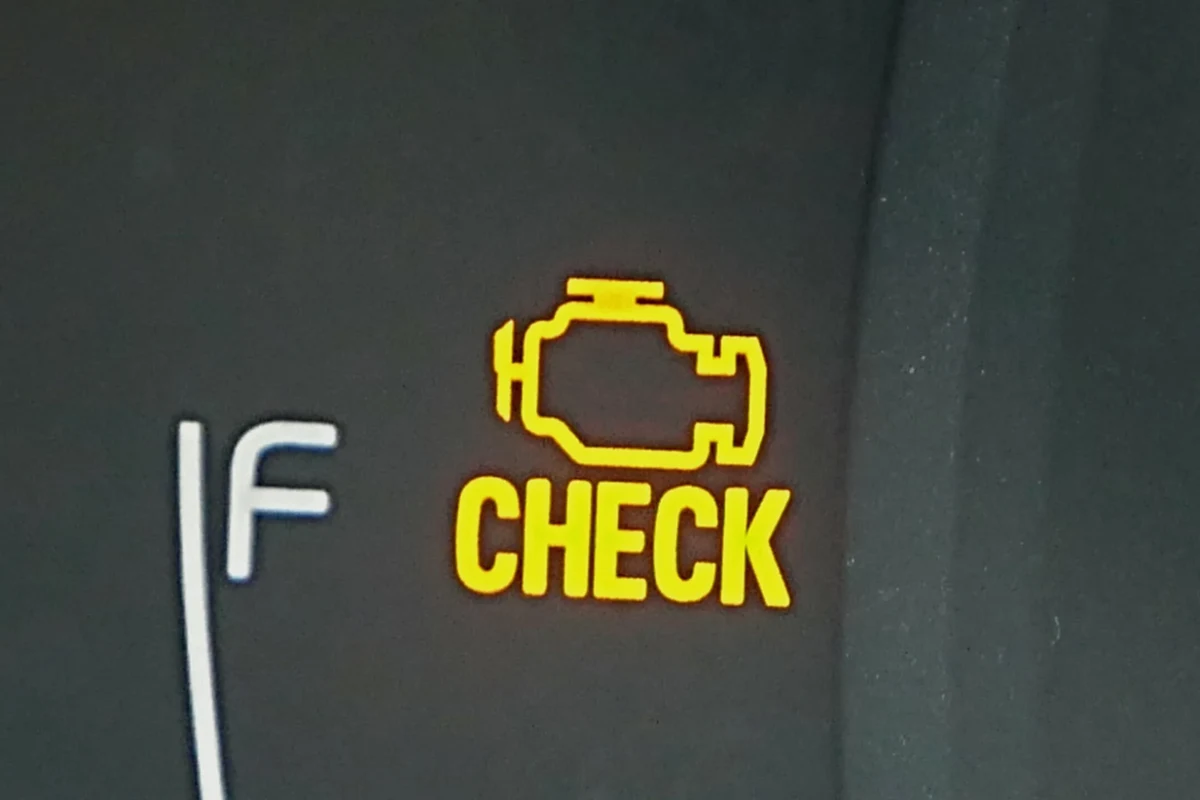
The check engine light (CEL) is part of your Volvo’s onboard diagnostics system. It’s designed to alert you when the engine’s performance is not optimal or when there’s a fault within the vehicle’s systems.
If your Volvo’s check engine light is on, it could signal various issues from minor to significant. Understanding why is my Volvo check engine light on can help you troubleshoot effectively and decide whether to seek professional help.
- Understanding Your Volvo’s Check Engine: The check engine light (CEL) is part of your Volvo’s onboard diagnostics system..
- Common Reasons for the Check: Understanding the common triggers for the check engine light can help you identify issues.
- Safe Initial Checks You Can: Before heading to a technician, there are a few initial checks that you can.
- When to Stop Driving Your: Knowing when to stop driving is crucial for your safety and the health of.
- When to See a Technician: While some issues can be resolved at home, others require professional expertise..
Understanding Your Volvo’s Check Engine Light
The check engine light (CEL) is part of your Volvo’s onboard diagnostics system. It’s designed to alert you when the engine’s performance is not optimal or when there’s a fault within the vehicle’s systems.
Ignoring this warning can lead to more serious issues down the line.
What Does It Mean When the Check Engine Light Comes On?
When the check engine light illuminates, it means your Volvo’s computer has detected an issue that needs attention. This could range from a minor issue, like a loose gas cap, to more serious concerns, such as engine misfires or catalytic converter failures. For related context, read how to reset check engine light on volvo xc60.
It’s essential to address the light promptly to avoid worsening problems.
- Keep your gas cap tight to prevent unnecessary check engine light triggers.
- Regularly check engine oil and coolant levels to avoid major issues.
- Stay aware of your Volvo’s performance for early detection of problems.
Common Reasons for the Check Engine Light in Volvos
Understanding the common triggers for the check engine light can help you identify issues early. Here are some of the top reasons your Volvo might be showing this warning. You can also use how to reset check engine light on volvo xc90 as the next practical guide.
Top Causes and Their Symptoms
- Loose or Damaged Gas Cap: This is one of the most common reasons for the check engine light to illuminate. A loose cap can cause fuel vapors to escape, triggering the light.
- Faulty Oxygen Sensor: The oxygen sensor measures the mixture of air and fuel entering the engine. A malfunction can lead to poor fuel efficiency and increased emissions.
- Bad Catalytic Converter: If this component fails, it can prevent your Volvo from passing emissions tests and may significantly reduce engine performance.
- Mass Airflow Sensor Issues: This sensor measures the amount of air entering the engine. If it fails, it can lead to poor acceleration and engine stalling.
- Engine Misfire: If your engine misfires, it can cause a rough idle and reduced performance, which will trigger the check engine light.
Safe Initial Checks You Can Perform
Before heading to a technician, there are a few initial checks that you can perform to potentially identify the issue. For related context, read engine light on volvo xc40.
DIY Troubleshooting Tips for Volvo Owners
- Check the Gas Cap: Ensure it’s tight and secure. If it was loose, re-tighten it and see if the light turns off after a few drives.
- Inspect for Obvious Leaks: Look under your vehicle for any visible fluid leaks. Different fluids can indicate various issues.
- Monitor Engine Performance: Pay attention to how your Volvo drives. Any rough idling, stalling, or poor acceleration should be noted.
- Check Engine Oil and Coolant Levels: Low levels can lead to engine damage and might trigger the light.
Ensure to verify if the check engine light is flashing, indicating a severe issue that requires immediate attention.
When to Stop Driving Your Volvo
Knowing when to stop driving is crucial for your safety and the health of your vehicle.
Identifying Unsafe Conditions
If the check engine light is flashing, it indicates a severe issue, such as an engine misfire. Continuing to drive in this condition can cause extensive damage.
If you notice significant performance changes, strange noises, or smell fuel, it’s best to pull over and stop driving immediately. You can also use engine light on volvo xc60 as the next practical guide.
Consider the potential repair costs based on the symptoms you notice and what you can do before seeking professional help.
When to See a Technician
While some issues can be resolved at home, others require professional expertise. Understanding when to seek help is vital. For official guidance on this, see Volvo Cars official website.
Knowing When Professional Help is Needed
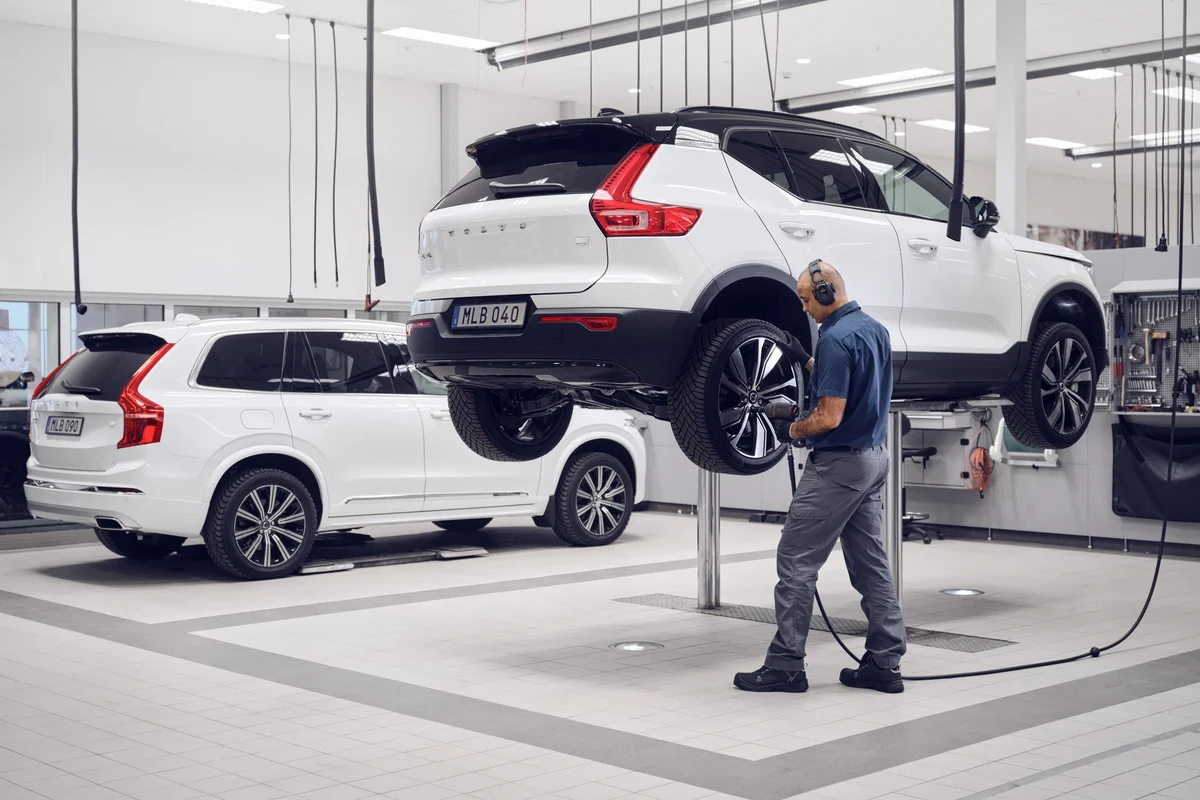
If the check engine light remains illuminated after your initial checks, or if you notice any concerning symptoms, it’s time to consult a qualified technician.
They can run a diagnostic test to read the error codes and pinpoint the issue, which is crucial for effective repairs. For related context, read does the volvo xc40 have engine problems.
Volvo owners experiencing check engine light issues.
Applies to various Volvo models across multiple years.
You are unsure about performing checks or repairs on your own.
Cost Implications of Check Engine Light Repairs
Understanding potential costs associated with repairs can help you budget effectively.
Understanding Potential Repair Costs
The cost to resolve issues indicated by the check engine light can vary widely:
Minor repairs (like a gas cap replacement) can cost around $20 to $50. Replacing an oxygen sensor typically ranges from $150 to $300. More severe repairs, such as a catalytic converter replacement, can cost upwards of $1,000. Use 2013 volvo d11 engine problems to compare scope, quotes, and provider questions.
Owner-Reported Patterns and Common Complaints
Insights from fellow Volvo owners can provide valuable information regarding common issues.
Insights from Volvo Owners
Many Volvo owners report that the check engine light often ties back to issues with the emissions system or electrical components. Regular maintenance and prompt attention to warning lights can prevent costly repairs. For related context, read 2007 volvo d11 engine problems.
The check engine light is part of the onboard diagnostics system, which monitors the vehicle’s performance continuously.
Why Is My Volvo Check Engine Light On Troubleshooting Tips
If your Volvo’s check engine light is on, it could indicate anything from a loose gas cap to more serious engine issues. Start by checking simple items like the gas cap and monitoring your vehicle’s performance. For official guidance on this, see EPA fuel economy guide.
If the light persists, it’s essential to consult a qualified technician for a diagnostic test to identify the underlying problem. You can also use 2016 volvo d11 engine problems as the next practical guide.
- Check the gas cap to ensure it’s tight and secure.
- Inspect for any visible fluid leaks under your vehicle.
- Monitor your Volvo’s engine performance for rough idling or stalling.
This guide on why is my volvo check engine light on is general information. Rules, fees, rents, salaries, service coverage, product details, and procedures can change, so confirm important points with the manufacturer, retailer, or official app documentation before acting.
Questions Worth Asking
If the check engine light is flashing, it indicates a severe issue, such as an engine misfire. Continuing to drive in this condition can cause extensive damage, so it’s best to pull over and stop driving immediately.
To check if the gas cap is the issue, ensure it is tight and secure. If it was loose, re-tighten it and monitor if the light turns off after a few drives.
Significant performance changes, strange noises, or the smell of fuel are all symptoms that suggest you should stop driving your Volvo. If the check engine light is flashing, it’s crucial to pull over immediately to prevent further damage.
If the check engine light remains illuminated after performing initial checks, or if you notice concerning symptoms like rough idling or stalling, it’s time to consult a qualified technician. They can run a diagnostic test to read the error codes and pinpoint the issue.
Common reasons include a loose or damaged gas cap, faulty oxygen sensor, bad catalytic converter, mass airflow sensor issues, and engine misfires. Understanding these triggers can help you identify issues early and address them effectively.
The cost for repairs can vary widely, with minor repairs like a gas cap replacement costing around $20 to $50. More severe issues, such as a catalytic converter replacement, can cost upwards of $1,000.
Final Words
Understanding why is my Volvo check engine light on is crucial for maintaining your vehicle’s performance and safety.
By performing initial checks and being aware of when to seek professional help, you can effectively manage this common issue and keep your Volvo running smoothly.
Author

💡 Evans Torres Tip: On every Volvo I have owned, I always keep a full digital service record from day one. When something goes wrong — and eventually something always does — having that history makes diagnosis faster and often saves money at the mechanic. Start your records today, even if the car is not new.