


The timing belt is crucial for synchronizing the engine’s crankshaft and camshaft, ensuring that the engine runs smoothly. A worn or broken timing belt can lead to severe engine damage, making timely replacement vital for your Volvo XC90’s longevity.
Changing the timing belt on a Volvo XC90 is essential for maintaining engine performance and preventing serious damage. This guide explains how to change the timing belt on a Volvo XC90, detailing necessary tools, parts, and step-by-step instructions. You can also use how often does a volvo xc90 need an oil change as the next practical guide.
- Essential Tools and Parts for: Before diving into the timing belt replacement process, gather all the necessary tools and.
- Understanding the Timing Belt Replacement: The timing belt is crucial for synchronizing the engine’s crankshaft and camshaft, ensuring that.
- Step-by-Step Guide to Changing the: Follow these detailed steps to change the timing belt on your Volvo XC90 safely.
- Common Mistakes to Avoid When: Even experienced DIYers can make mistakes..
- How to Confirm Your Timing: After installation, ensure everything is functioning correctly with these checks.
Essential Tools and Parts for Changing the Timing Belt on a Volvo XC90
Before diving into the timing belt replacement process, gather all the necessary tools and parts to ensure a smooth operation. For related context, read how much is an oil change for a volvo xc90.
What You Need Before You Start
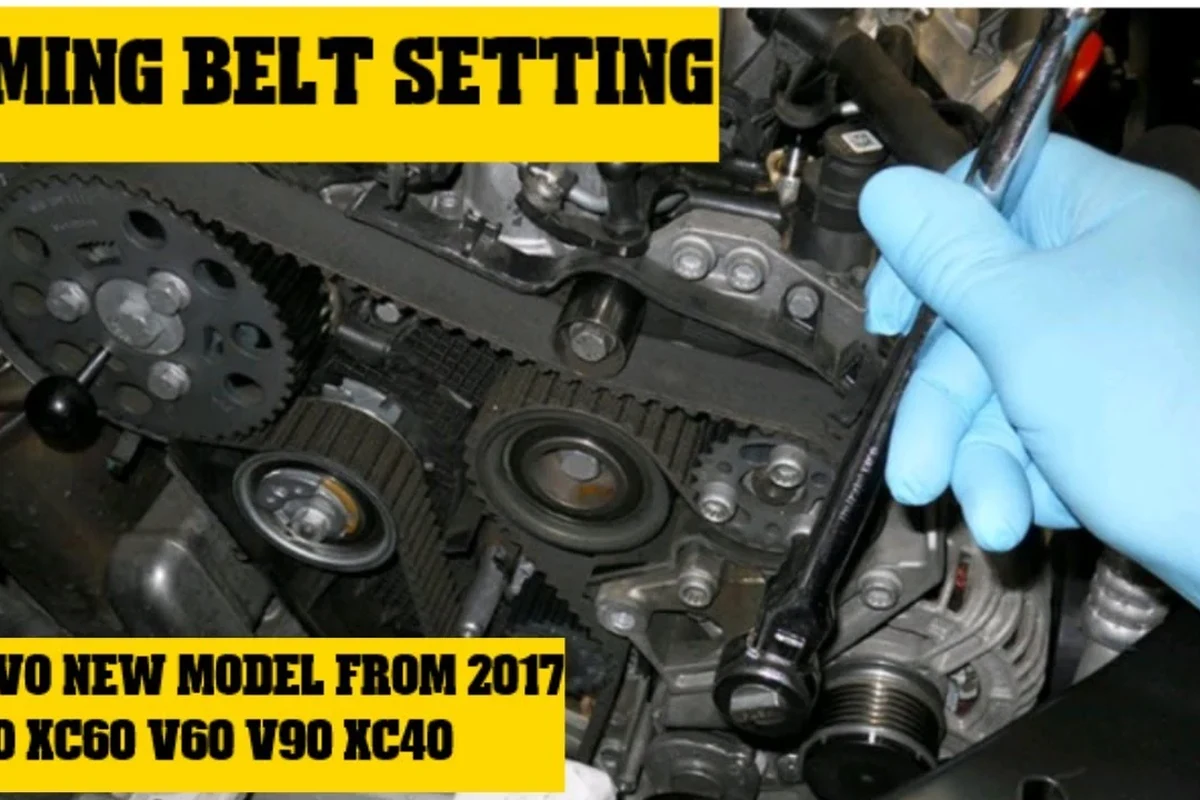
- Tools: You will need a complete wrench set, a torque wrench, a socket set, screwdrivers, and a ratchet. A timing belt tool kit is also recommended.
- Parts to Replace: Besides the timing belt, it’s advisable to replace the tensioner, idler pulleys, and seals. These components often wear out and can cause premature failure if not replaced together.
Check the VIN-based recall lookup for any outstanding recalls related to your vehicle’s timing belt or associated components before proceeding.
Understanding the Timing Belt Replacement Process for Your Volvo XC90
The timing belt is crucial for synchronizing the engine’s crankshaft and camshaft, ensuring that the engine runs smoothly. A worn or broken timing belt can lead to severe engine damage, making timely replacement vital for your Volvo XC90’s longevity. You can also use how to change front brake pads on volvo xc90 as the next practical guide.
Step-by-Step Guide to Changing the Timing Belt
Follow these detailed steps to change the timing belt on your Volvo XC90 safely and effectively: For related context, read change battery in volvo xc90 key fob.
- Preparation:
Make sure the vehicle is on a flat surface. Use jack stands to secure the vehicle, and disconnect the battery to avoid electrical issues.
- Removing the old timing belt:
Carefully remove any components obstructing access to the timing belt, such as the front cover and any pulleys. Note the belt’s routing for reinstallation.
- Installing the new timing belt and components:
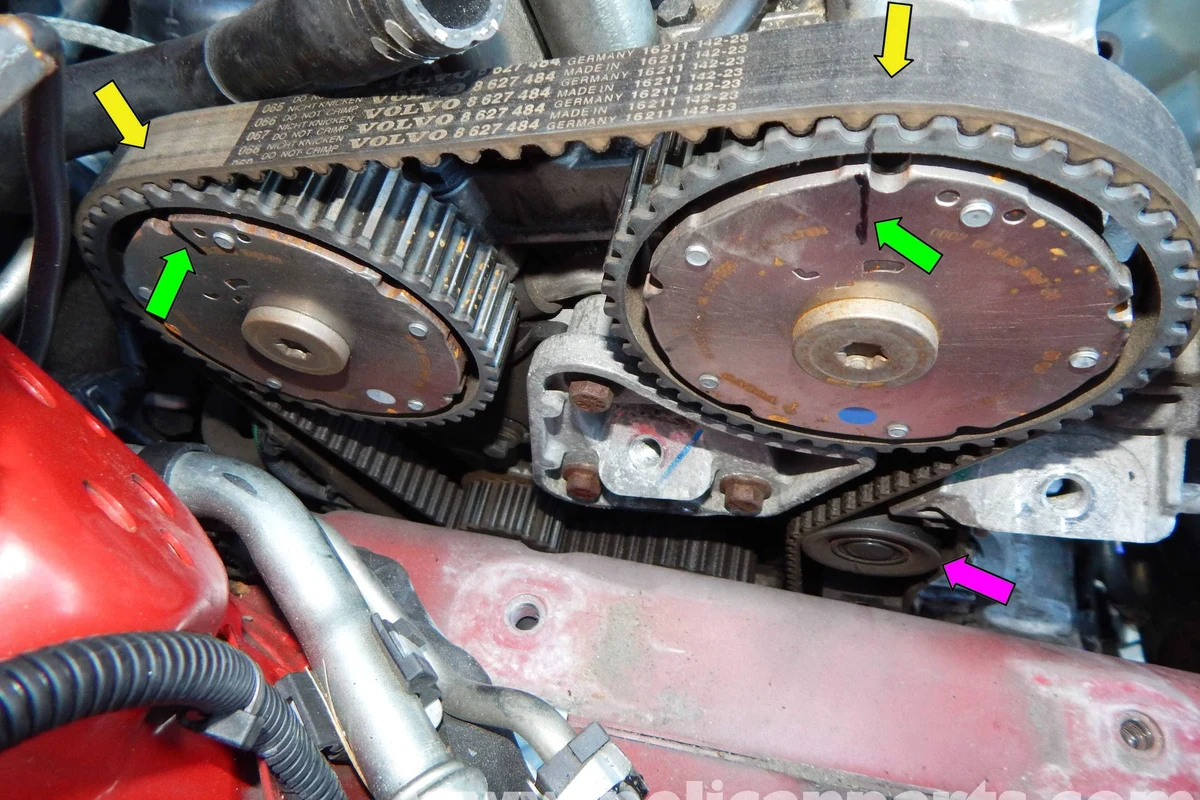
Install the new timing belt, ensuring it is aligned correctly with the timing marks on the crankshaft and camshaft. Replace the tensioner and idler pulleys. For official guidance on this, see Volvo Cars official website.
- Reassembly and checks:
Reassemble the components you removed, ensuring all bolts are torqued to the manufacturer’s specifications. Reconnect the battery and start the engine to check for proper operation.
Consider the service history and part conditions before replacement to avoid unnecessary costs.
Common Mistakes to Avoid When Changing the Timing Belt
Even experienced DIYers can make mistakes. Here are some common errors to avoid:
Failing to align timing marks correctly can lead to engine misfires or damage. Not replacing the tensioner and idler pulleys at the same time may lead to future complications. Over-tightening the timing belt can cause undue stress and premature failure. This also connects with change volvo key battery xc90 before you pay, sign, or book.
- Listen for any abnormal sounds from the engine after the replacement.
- Monitor for any warning lights or performance issues.
How to Confirm Your Timing Belt Replacement Was Successful
After installation, ensure everything is functioning correctly with these checks:
- Listen for any unusual noises from the engine, which may indicate incorrect installation.
- Check the tension of the new belt to ensure it is neither too tight nor too loose.
- Monitor engine performance for any irregularities after the replacement.
When to Seek Professional Help for Timing Belt Replacement
If you’re unsure about any part of the process or encounter problems during installation, it’s best to consult a professional. Signs you might need help include: For official guidance on this, see US Department of Energy Alternative Fuels Data Center.
Unfamiliarity with engine components or lack of confidence in performing the task. Complexity in accessing the timing belt due to other engine components. Unusual noises post-installation that suggest a misalignment or other issues. For related context, read change volvo xc90 key battery.
- Always refer to the owner’s manual for specific torque specifications.
- Keep a detailed record of your maintenance tasks for future reference.
How to Change the Timing Belt on a Volvo XC90
Changing the timing belt on your Volvo XC90 is crucial for optimal engine performance and preventing significant damage. Gather essential tools like a complete wrench set and timing belt tool kit, and replace key components such as the tensioner and idler pulleys. You can also use how often do you change oil in volvo xc90 as the next practical guide.
Follow precise steps for removal and installation, ensuring correct alignment with timing marks.
- Gather all necessary tools and replacement parts before starting.
- Carefully align timing marks during installation to avoid engine misfires.
- Check belt tension and listen for unusual noises post-replacement.
This guide on how to change the timing belt on a volvo xc90 is general information. Rules, fees, rents, salaries, service coverage, product details, and procedures can change, so confirm important points with the manufacturer, retailer, or official app documentation before acting.
Questions Worth Asking
You will need a complete wrench set, a torque wrench, a socket set, screwdrivers, and a ratchet. A timing belt tool kit is also recommended to help the replacement process.
Besides the timing belt, it’s advisable to replace the tensioner, idler pulleys, and seals, as these components often wear out. Replacing them together can prevent premature failure and ensure reliable engine performance.
After installation, listen for any unusual noises from the engine, which may indicate incorrect installation. Also, check the tension of the new belt to ensure it is neither too tight nor too loose.
Common errors include failing to align the timing marks correctly, which can lead to engine misfires, and not replacing the tensioner and idler pulleys at the same time. Over-tightening the timing belt can also cause undue stress and premature failure.
If you’re unfamiliar with engine components or lack confidence in performing the task, it’s best to consult a professional. Also, if you experience unusual noises post-installation, it may indicate misalignment or other issues requiring expert assistance.
Make sure the vehicle is on a flat surface and use jack stands to secure it before disconnecting the battery to avoid electrical issues. Then, carefully remove any components obstructing access to the timing belt, such as the front cover and any pulleys.
Wrapping Up
Changing the timing belt on a Volvo XC90 is a critical maintenance task that can significantly affect your vehicle’s performance and reliability. By following the steps outlined above and taking necessary precautions, you can successfully complete the job.
However, don’t hesitate to seek professional assistance if needed to ensure the best outcome for your vehicle. For related context, read how often oil change volvo xc90.
Author

💡 Evans Torres Tip: On every Volvo I have owned, I always keep a full digital service record from day one. When something goes wrong — and eventually something always does — having that history makes diagnosis faster and often saves money at the mechanic. Start your records today, even if the car is not new.