


To compare different engine types effectively, consider the following criteria: performance metrics, cost, environmental impact, and buyer profiles. Each of these aspects influences which engine type may be the best fit for your needs.
Understanding how to compare different car engine types is crucial for making an informed vehicle choice. Whether you’re considering a gasoline, diesel, hybrid, or electric engine, each type offers distinct advantages and drawbacks that cater to various driving needs.
- Understanding Different Car Engine Types: Before diving into comparisons, it’s essential to grasp the fundamental differences among various engine.
- How to Effectively Compare Various: To compare different engine types effectively, consider the following criteria: performance metrics, cost, environmental.
- Advantages and Disadvantages of Common: Understanding the pros and cons of each engine type is vital for making a.
- Impact of Engine Size and: The size and design of an engine significantly impact performance, fuel efficiency, and overall.
- Cost Considerations: Running Costs and: When evaluating engine types, consider the total cost of ownership, including fuel costs, maintenance.
Understanding Different Car Engine Types
Before diving into comparisons, it’s essential to grasp the fundamental differences among various engine types. Understanding these differences helps clarify how they can meet your specific driving needs, preferences, and budget.
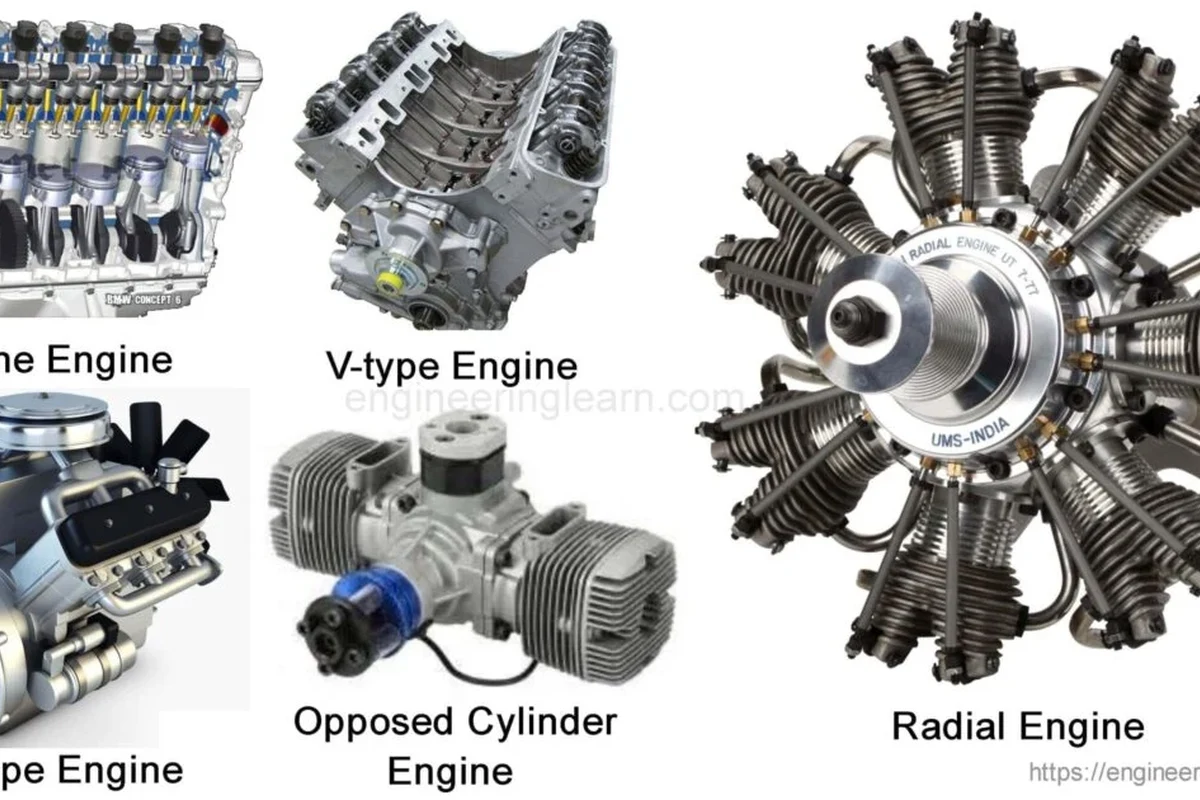
| Engine Type | Driving Needs | Preferences | Budget Considerations |
|---|---|---|---|
| Gasoline | Daily commuting | Power and performance | Moderate |
| Diesel | Long-distance driving | Fuel efficiency | Higher initial cost |
| Hybrid | Eco-friendly driving | Low emissions | Varied |
| Electric | City driving | Quiet operation | Potentially higher upfront |
Overview of Engine Types: Gasoline, Diesel, Hybrid, and Electric
Car engines generally fall into four primary categories: gasoline, diesel, hybrid, and electric. Each type varies in design, performance, and efficiency:
- Gasoline Engines: Common in most passenger vehicles, they provide a good balance of performance and efficiency.
- Diesel Engines: Known for their fuel efficiency and torque, they are often found in trucks and larger vehicles.
- Hybrid Engines: Combine gasoline and electric power, allowing for improved fuel economy and reduced emissions.
- Electric Engines: Powered solely by electricity, they offer zero emissions and are increasingly popular due to advancements in battery technology.
Performance Metrics: Horsepower, Torque, and Fuel Efficiency
When comparing engine types, key performance metrics include horsepower, torque, and fuel efficiency. Horsepower measures the engine’s power output, while torque reflects its pulling power. Fuel efficiency is crucial for cost savings and environmental impact.
Gasoline: Typically provides higher horsepower but lower torque compared to diesel engines. Diesel: Generally offers higher torque, making it ideal for towing and heavy loads, but may have lower horsepower than gasoline models. Hybrid: Balances horsepower and torque, often providing better fuel efficiency than both gasoline and diesel. Electric: Offers instantaneous torque, leading to quick acceleration and high efficiency. For related context, read how to replace volvo engine oil gasket 3547188.
Drivers seeking specific performance, economy, or environmental benefits.
All models equipped with gasoline, diesel, hybrid, or electric engines.
You prioritize specific driving conditions or costs over engine type.
How to Effectively Compare Various Engine Types
To compare different engine types effectively, consider the following criteria: performance metrics, cost, environmental impact, and buyer profiles. Each of these aspects influences which engine type may be the best fit for your needs. This area decision also connects with how to check engine oil in a 2004 volvo xc70.
Advantages and Disadvantages of Common Engine Types
Understanding the pros and cons of each engine type is vital for making a well-informed decision. Here’s a closer look at the advantages and disadvantages of gasoline, diesel, hybrid, and electric engines. For official guidance on this, see EPA fuel economy guide.
Gasoline vs. Diesel Engines: Key Differences
Gasoline engines are typically lighter and quieter, making for a smoother ride. Diesel engines, however, are more fuel-efficient and provide greater torque, which is beneficial for towing. The choice may depend on your driving habits and vehicle use.
- Gasoline Advantages: Quieter operation, lower initial cost, and a wider availability of fuel.
- Gasoline Disadvantages: Generally lower fuel efficiency and higher emissions compared to diesel.
- Diesel Advantages: Better fuel efficiency, higher torque for towing, and longer engine life.
- Diesel Disadvantages: Higher upfront cost, potential for higher maintenance, and noise levels.
Hybrid and Electric Engines: The Future of Driving
Hybrid and electric engines are becoming increasingly popular due to their environmental benefits. Hybrids combine a traditional engine with an electric motor, enhancing fuel efficiency. Electric engines produce no tailpipe emissions but require access to charging infrastructure.
Hybrid Advantages: Improved fuel economy and reduced emissions compared to gasoline. Hybrid Disadvantages: Complexity in technology and higher initial costs. Electric Advantages: Zero emissions, lower running costs, and incentives in many regions. Electric Disadvantages: Limited range and charging infrastructure concerns. For related context, read how to check engine oil in 2017 volvo s60.
Confirm the engine type and specifications for your model by checking the VIN and consulting the manufacturer’s specifications for your vehicle.
Impact of Engine Size and Design on Performance
The size and design of an engine significantly impact performance, fuel efficiency, and overall driving experience. Engine size is typically measured in liters, with larger engines generally offering more power.
Naturally Aspirated vs. Turbocharged Engines
Naturally aspirated engines rely solely on atmospheric pressure for air intake, while turbocharged engines use a turbine-driven forced induction system to increase power. Turbocharged engines often provide better performance without a corresponding increase in engine size. This area decision also connects with how to change engine oil in 1997 volvo v90.
- Naturally Aspirated Advantages: Simplicity and reliability; often easier to maintain.
- Naturally Aspirated Disadvantages: Less power and efficiency compared to turbocharged engines.
- Turbocharged Advantages: Higher power output and better fuel efficiency for the same engine size.
- Turbocharged Disadvantages: More complex systems and potential for higher repair costs.
Consider the total cost of ownership, including fuel, maintenance, and potential resale values before making a decision.
Cost Considerations: Running Costs and Maintenance
When evaluating engine types, consider the total cost of ownership, including fuel costs, maintenance, and insurance. Each engine type has different running costs that can significantly impact long-term expenses. For official guidance on this, see Volvo Cars official website.

Reliability Records: What Recent Data Shows
Reliability can vary widely between engine types. Diesel engines, for instance, are known for longevity but may require more frequent maintenance. Electric engines generally have fewer moving parts, leading to lower maintenance needs.
Gasoline Engines: Generally reliable with a wide availability of parts. Diesel Engines: Known for their durability but may face issues with emissions systems. Hybrid Engines: Reliability varies by manufacturer, but overall, they are becoming more dependable. Electric Engines: High reliability due to fewer mechanical parts, but battery longevity is a factor. For related context, read how to service a volvo penta engine.
Best-Fit Buyer Profiles for Each Engine Type
Understanding who benefits most from each engine type can guide your decision. Here are some profiles that might match your needs: You can also use how to start a volvo penta engine as the next practical guide.
Choosing the Right Engine Type for Your Needs
Each engine type suits different driver profiles:
- Gasoline Engines: Ideal for everyday commuters seeking an affordable, reliable option.
- Diesel Engines: Best for those needing towing capacity or long-distance travel.
- Hybrid Engines: Great for eco-conscious drivers looking to reduce fuel costs and emissions.
- Electric Engines: Perfect for urban drivers with access to charging stations wanting zero emissions.
- Assess engine responsiveness during acceleration.
- Check for noise levels, especially in diesel engines.
- Evaluate comfort and handling during your drive.
How to Compare Different Car Engine Types
To effectively compare various car engine types, consider performance metrics such as horsepower and torque, evaluate cost implications including maintenance and fuel efficiency, and assess environmental impacts.
Understanding these factors will help determine which engine type aligns best with your driving habits, preferences, and budget.
Analyze horsepower and torque to gauge performance capabilities. Calculate total ownership costs, including fuel and maintenance expenses. Reflect on environmental concerns and emissions associated with each engine type. For another location comparison, read how to identify volvo penta engine.
This guide on How to compare different car engine types? is general information. Rules, fees, rents, salaries, service coverage, product details, and procedures can change, so confirm important points with the manufacturer, retailer, or official app documentation before acting.
Questions People Also Ask
When comparing engine types, the crucial performance metrics include horsepower, torque, and fuel efficiency. Each engine type offers different strengths in these areas, influencing overall vehicle performance and cost-effectiveness.
Gasoline engines typically provide higher horsepower but lower torque compared to diesel engines. Diesel engines excel in torque, making them more suitable for towing and heavy loads, though they generally have lower horsepower.
Hybrid engines combine gasoline and electric power, resulting in improved fuel economy and reduced emissions. This makes them an attractive option for eco-conscious drivers looking for efficiency without sacrificing performance.
The total cost of ownership includes fuel costs, maintenance, and insurance, which can significantly vary between engine types. Understanding these costs helps in making an informed decision that aligns with your budget and driving habits.
Gasoline engines are generally reliable with wide availability of parts, whereas diesel engines are known for their longevity but may require more frequent maintenance. Electric engines have high reliability due to fewer moving parts, though battery longevity remains a factor to consider.
Buyers can assess their driving habits and preferences to match them with the right engine type, such as gasoline for everyday commuting or diesel for towing. Understanding the advantages and disadvantages of each engine type helps align choices with personal needs and lifestyle.
The Bottom Line
When considering how to compare different car engine types, evaluate your driving habits, budget, and environmental concerns. Each engine type has unique benefits and limitations that cater to distinct preferences and needs.
Take the time to research and test drive different models to find the best fit for you. You can also use how to drain water from volvo penta engine as the next practical guide.
Author

💡 Evans Torres Tip: On every Volvo I have owned, I always keep a full digital service record from day one. When something goes wrong — and eventually something always does — having that history makes diagnosis faster and often saves money at the mechanic. Start your records today, even if the car is not new.