



Volvo new engine technology enhances performance, efficiency, and sustainability with innovations like hybrid systems, turbocharging, and mild-hybrid technology.
As Volvo continues to prioritize safety and sustainability, their new engine technology is at the forefront of this evolution. This guide will explore the latest advancements in Volvo’s engine technology, focusing on hybrid systems, turbocharging, and other innovations that enhance performance and environmental responsibility.
For related context, you may also want to read 2013 Volvo d11 engine problems new model.
Whether you’re a current Volvo owner or considering a purchase, understanding these technologies will help you appreciate the brand’s commitment to excellence.
- Volvo’s new engine technology emphasizes hybrid systems for improved fuel efficiency.
- Turbocharging is utilized to enhance engine performance without increasing size.
- Mild-hybrid technology supports seamless transitions between electric and gasoline power.
- Volvo aims for sustainability with reduced emissions across its engine lineup.
- Understanding these technologies can enhance your ownership experience.
Overview of Volvo’s Engine Technology Innovations
Volvo’s new engine technology is designed to push boundaries in performance and sustainability. The innovations include turbocharged engines, hybrid systems, and mild-hybrid technology. These advancements not only enhance driving dynamics but also contribute to reducing carbon footprints, making Volvo a leader in eco-friendly automotive engineering.
You can also use Volvo self driving technology as a helpful next guide on the same ownership topic.
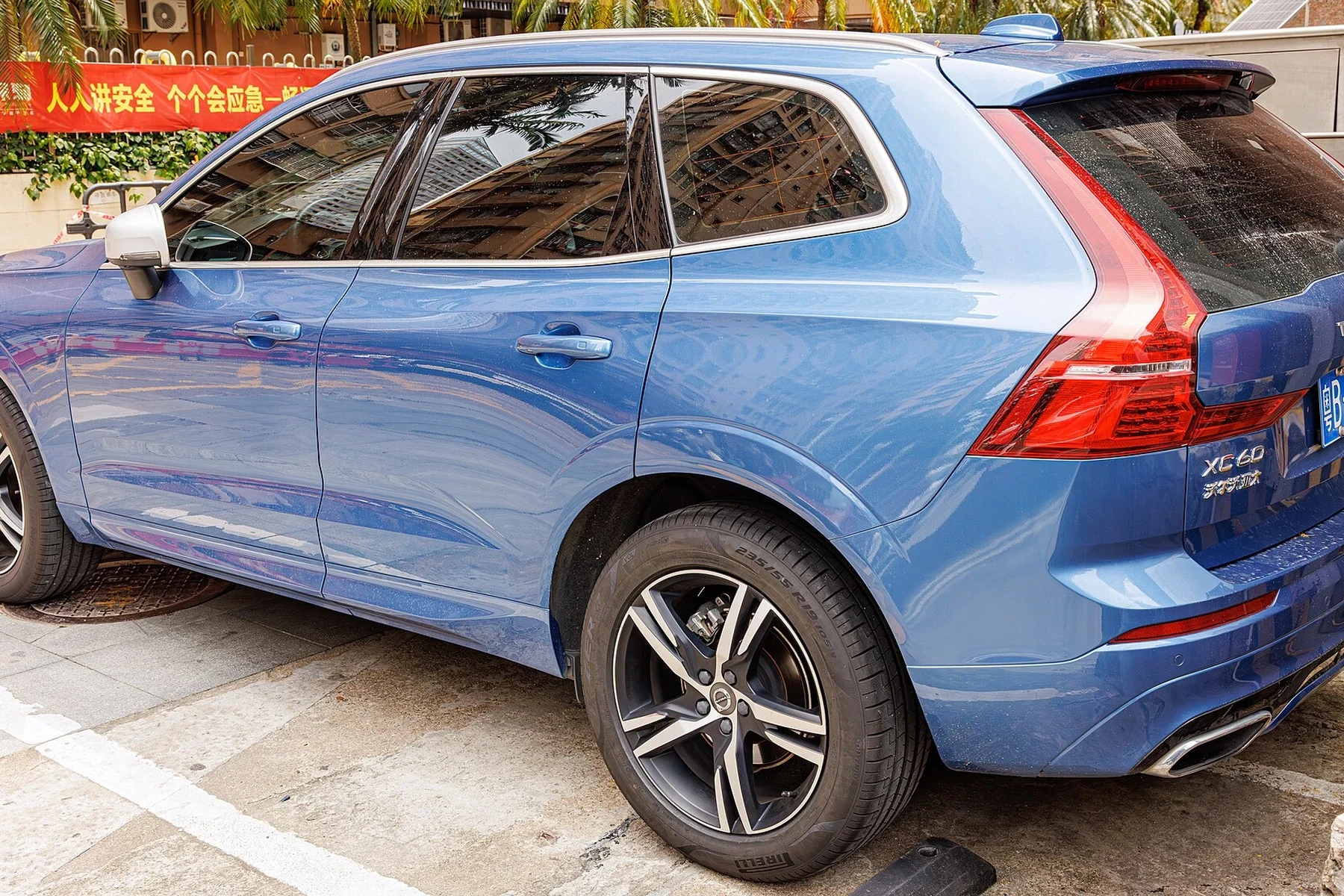
Turbocharging for Enhanced Performance
Turbocharging is a key feature in many of Volvo’s new engines. By forcing more air into the combustion chamber, turbochargers improve engine performance without increasing engine size. This means that drivers can enjoy powerful acceleration while benefiting from better fuel efficiency.
Benefits of Turbocharging
- Increased Power: Turbocharged engines can produce more horsepower than naturally aspirated engines of the same size.
- Improved Fuel Efficiency: Turbocharging allows for smaller engines to perform efficiently, resulting in lower fuel consumption.
- Responsive Performance: Turbo engines provide quick acceleration, enhancing the overall driving experience.
Hybrid Systems: A Step Towards Sustainability
Volvo has embraced hybrid technology as part of its commitment to sustainability. Their hybrid systems combine traditional gasoline engines with electric motors to optimize performance and reduce emissions. This technology is particularly beneficial for urban driving, where electric power can be used for short trips.
Types of Hybrid Systems in Volvo Vehicles
- Plug-in Hybrids: These vehicles can be charged from an external source, allowing for longer electric-only drives.
- Mild Hybrids: These systems assist the gasoline engine with electric power, improving fuel efficiency without the need for external charging.
- Full Hybrids: These can operate on electric power alone or in conjunction with the gasoline engine, depending on driving conditions.
The Role of Mild-Hybrid Technology
Mild-hybrid technology is becoming increasingly popular in Volvo’s lineup. This system helps improve fuel efficiency and reduce emissions without requiring extensive changes to driving habits. It utilizes a small electric motor to assist the gasoline engine, providing additional torque when needed.
Advantages of Mild-Hybrid Systems
- Seamless Integration: Mild-hybrid systems work in the background, providing support without requiring driver intervention.
- Enhanced Fuel Efficiency: These systems can improve overall fuel economy, particularly in stop-and-go traffic.
- Reduced Emissions: By optimizing engine performance, mild-hybrid technology contributes to lower emissions.
Volvo’s Commitment to Sustainability
Volvo aims to be a leader in sustainable automotive engineering. Their new engine technology reflects this commitment, focusing on reducing overall emissions and improving fuel efficiency. The company plans to electrify its entire lineup, with a goal of becoming a climate-neutral manufacturer by 2040.
This connects closely with 2016 Volvo d11 engine problems new if you want to compare the topic in more detail.
How Volvo’s Engine Technology Meets Environmental Goals
- Lower CO2 Emissions: New engines produce fewer carbon emissions, contributing to cleaner air.
- Energy Efficiency: Advanced technologies maximize energy use, reducing waste.
- Long-Term Sustainability: Volvo’s goal is to create a more sustainable future through innovative engine designs.
Real-World Applications of New Engine Technology
Volvo’s new engine technology is not just theoretical; it is being actively implemented across various models. For example, the Volvo V90 and XC90 feature both mild-hybrid and plug-in hybrid options, allowing consumers to choose the best fit for their lifestyle.
Popular Models with New Engine Technologies
- Volvo XC90: This luxury SUV offers a plug-in hybrid model that combines a gasoline engine with an electric motor for impressive performance.
- Volvo V90: The V90 employs turbocharging and mild-hybrid technology to provide a balance of power and efficiency.
- Volvo S60: This sedan showcases Volvo’s commitment to performance and sustainability through its hybrid offerings.
Maintaining Your Volvo Engine
To ensure optimal performance of your Volvo’s new engine technology, regular maintenance is crucial. This includes checking the hybrid battery, ensuring the engine oil is at the right levels, and monitoring any dashboard warning lights that may indicate issues.
Key Maintenance Tips
- Check engine oil regularly, especially in turbocharged models, to prevent performance issues.
- Monitor the hybrid battery health; replace it if performance declines.
- Use genuine Volvo parts for any replacements to maintain warranty coverage.
💡 Evans Torres Tip: Regularly check your Volvo’s hybrid system and engine diagnostics to catch potential issues early, ensuring a smooth driving experience.
Frequently Asked Questions
What Is the Lifespan of a Volvo Hybrid Battery?
The lifespan of a Volvo hybrid battery can vary, but they typically last between 8 to 10 years with proper maintenance.
How Does Turbocharging Affect Fuel Efficiency?
Turbocharging can enhance fuel efficiency by allowing smaller engines to produce more power, reducing the need for larger, less efficient engines.
Can I Convert My Traditional Volvo Engine to Hybrid?
Converting a traditional engine to a hybrid is not practical or cost-effective. It’s better to consider a newer model designed with hybrid technology.
What Maintenance Is Required for a New Volvo Engine?
Regular oil changes, battery checks, and monitoring the engine’s performance through diagnostics are essential for maintaining a new Volvo engine.
Final Verdict
Volvo’s new engine technology represents a significant leap forward in automotive engineering, focusing on performance, efficiency, and sustainability. By incorporating turbocharging and hybrid systems, Volvo is setting a new standard for what drivers can expect from their vehicles.
Understanding these advancements can enhance your ownership experience and contribute to a more sustainable future.
Author

Author

Evans Torres
I’m Evans Torres, an automotive engineer who loves Volvo cars. I graduated in Automotive Engineering from USC. I have worked in the car industry for years and now share my knowledge on The Volvo Life. I started this blog to connect with other Volvo fans. I offer tips, news, and advice to help you care for your car. My goal is to help you keep your Volvo in great shape and find all the best things about it. Join me as we discover everything Volvo has to offer!