


Volvo cars autonomous driving technology approach emphasizes safety, advanced driver assistance systems, and the goal of achieving fully autonomous vehicles by 2030.
The landscape of automotive technology is rapidly evolving, and Volvo Cars is at the forefront of this revolution with its autonomous driving technology approach. Focused on safety, comfort, and efficiency, Volvo aims to redefine the driving experience.
This connects closely with Volvo ex60 battery technology if you want to compare the topic in more detail.
This guide will explore the various components of Volvo’s autonomous technology, its benefits, challenges, and what future Volvo owners can expect.
- Volvo aims for fully autonomous vehicles by 2030.
- Safety is the cornerstone of all autonomous driving technologies.
- Driver assistance systems are integral to Volvo’s approach.
- Volvo’s technology adapts to urban driving and highway conditions.
- Future models will feature enhanced connectivity and AI integration.
Understanding Volvo’s Autonomous Driving Goals
Volvo Cars has set an ambitious goal to achieve fully autonomous vehicles by 2030. This vision stems from a long-standing commitment to safety and innovation. The company believes that with the right technologies, driving can become safer and more efficient, ultimately reducing the number of accidents.
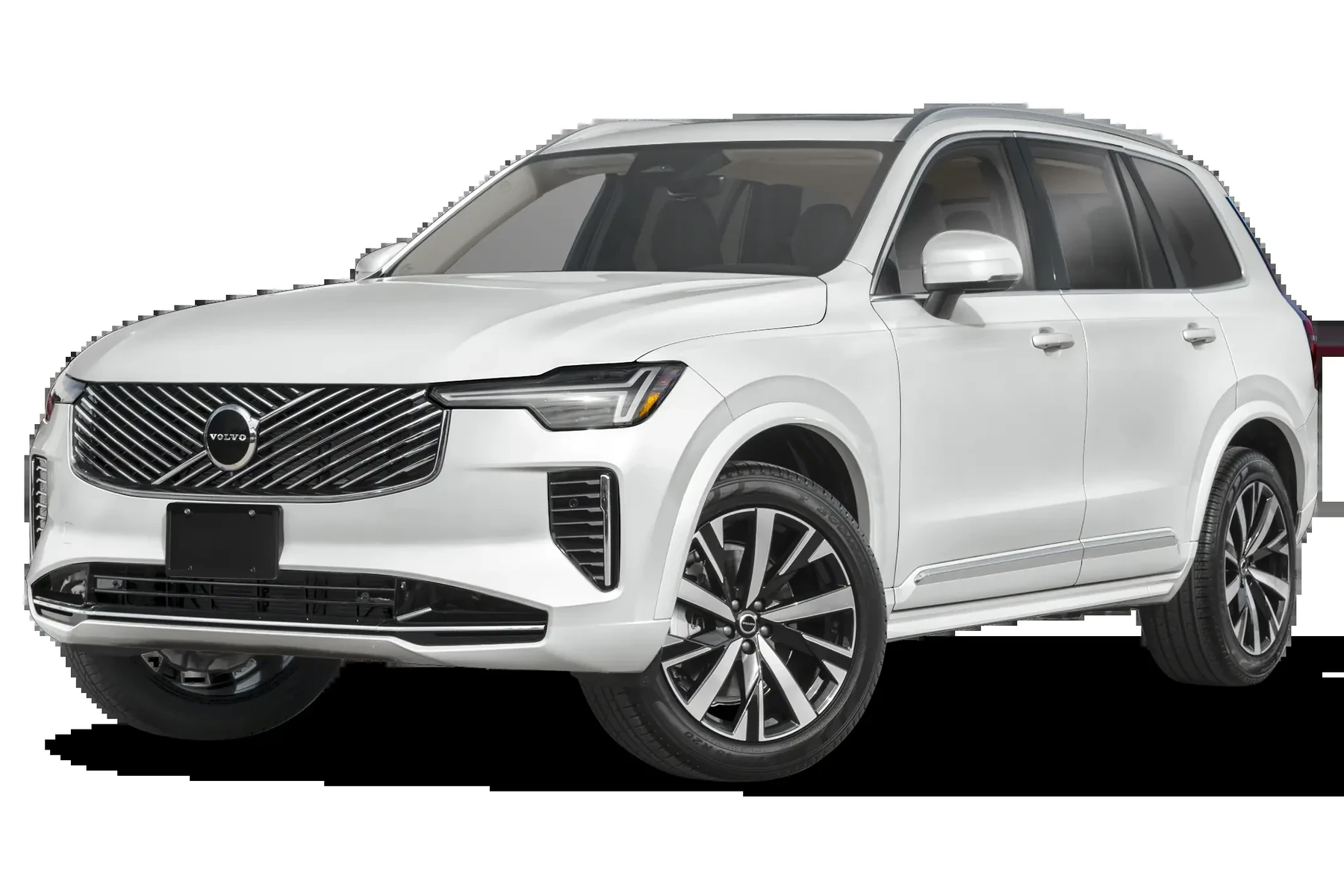
To reach this goal, Volvo is focusing on several key advancements in technology, including artificial intelligence, machine learning, and extensive sensor integration. These technologies work together to create a vehicle that can navigate complex environments with minimal human intervention.
Key Components of Volvo’s Autonomous Driving Technology
Volvo’s approach integrates various technologies that contribute to autonomous driving. The primary components include:
Sensor Technology
Volvo utilizes a suite of sensors, including cameras, radar, and LiDAR, to collect real-time data about the vehicle’s surroundings. These sensors help the car identify obstacles, lane markings, and traffic signals, ensuring a safe driving experience.
Advanced Driver Assistance Systems (ADAS)
ADAS plays a crucial role in Volvo’s autonomous driving technology. Features such as adaptive cruise control, lane-keeping assist, and emergency braking work together to enhance driver safety and convenience. These systems not only assist drivers but also gather data that contributes to the development of fully autonomous capabilities.
Artificial Intelligence and Machine Learning
Volvo is investing heavily in AI and machine learning to improve the decision-making processes of its vehicles. By analyzing vast amounts of data, the car learns to predict various driving scenarios and respond appropriately. This capability is essential for navigating urban environments and complex traffic situations.
Safety as the Cornerstone of Autonomous Driving
At the heart of Volvo’s autonomous driving technology approach is a commitment to safety. The company has a long history of prioritizing safety features in its vehicles, and this tradition continues with autonomous systems.
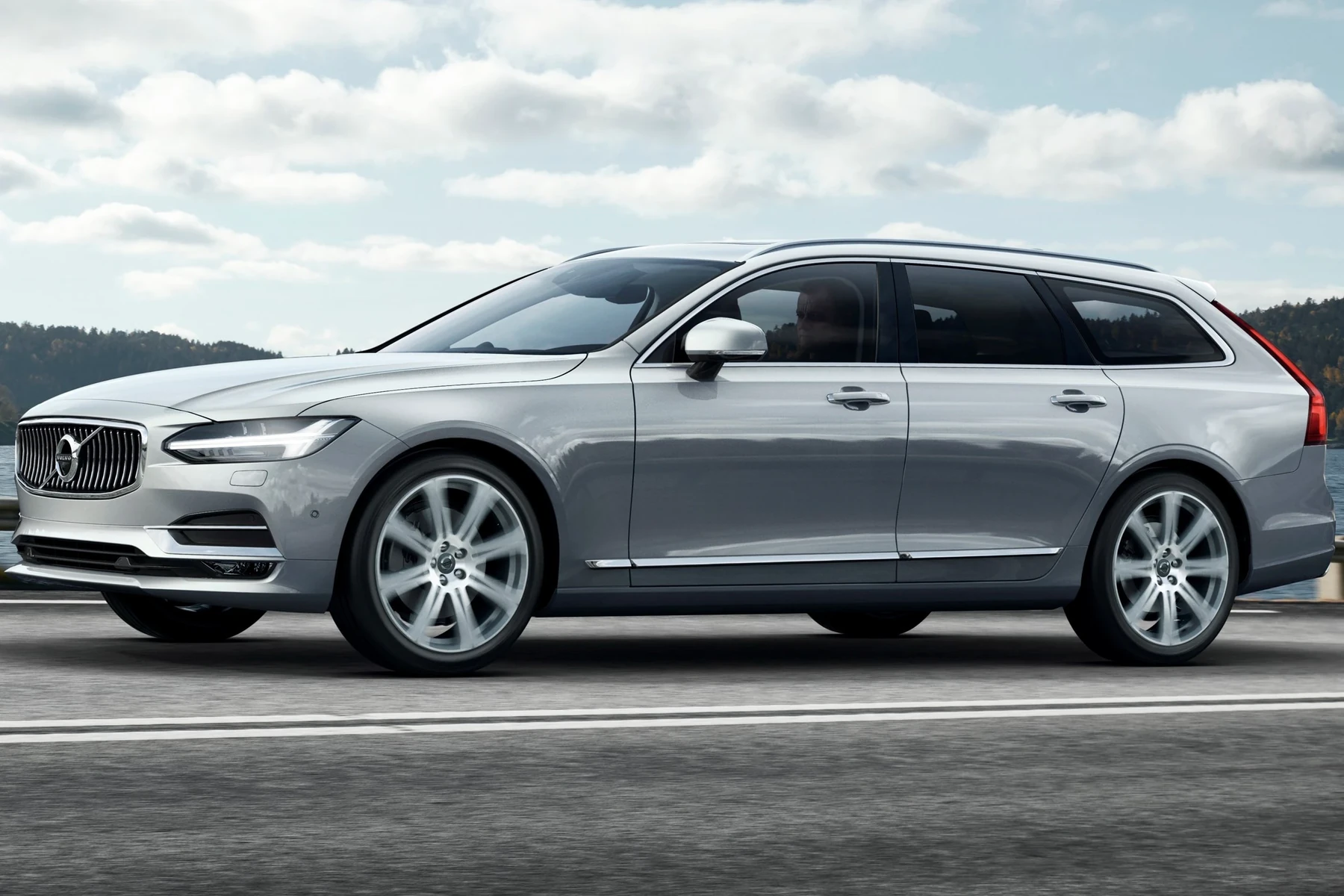
Volvo aims to create vehicles that can not only protect occupants in the case of an accident but also prevent accidents from occurring in the first place. By leveraging advanced sensors and AI, Volvo cars are designed to anticipate potential hazards and react accordingly.
For related context, you may also want to read are Volvo S60 reliable cars.
Current Autonomous Features in Volvo Vehicles
As of 2023, several Volvo models come equipped with advanced autonomous features. Here are some notable examples:
Pilot Assist
This semi-autonomous system assists with steering, acceleration, and braking on well-marked highways. It allows for a more relaxed driving experience, especially during long journeys.
City Safety
City Safety is an advanced collision avoidance system that detects vehicles, pedestrians, cyclists, and large animals. It can automatically apply the brakes to prevent or mitigate collisions, demonstrating Volvo’s commitment to safety in urban environments.
Adaptive Cruise Control
This feature maintains a set speed and distance from the vehicle ahead, automatically adjusting speed to match traffic conditions. It enhances convenience and allows for stress-free highway driving.
The Road Ahead: Challenges and Future Innovations
While Volvo is making significant strides in autonomous technology, several challenges remain. Regulatory hurdles, public acceptance, and technological limitations are critical areas that need addressing. You can also use are Volvo XC60 reliable cars as a helpful next guide on the same ownership topic.
Volvo is actively collaborating with industry partners and governments to shape regulations that will allow for the safe deployment of autonomous vehicles. The company is also focused on enhancing technology to improve reliability and safety in various driving conditions.
Future Models and Connectivity
Future Volvo models will likely feature enhanced connectivity options. Integration with cloud services, real-time traffic data, and vehicle-to-vehicle communication are all on the horizon. These innovations will further enhance the driving experience, making it safer and more efficient.
🔍 Did You Know? Volvo was the first car manufacturer to introduce a three-point seatbelt in 1959, a hallmark of its commitment to safety.
Frequently Asked Questions
What Is the Timeline for Volvo’s Autonomous Vehicle Development?
Volvo aims to have fully autonomous vehicles available by 2030, focusing on safety and technology integration.
How Does Volvo Ensure the Safety of Its Autonomous Systems?
Volvo employs extensive testing, real-world simulations, and advanced sensor technology to ensure the safety and reliability of its autonomous systems.
Are Current Volvo Models Fully Autonomous?
No, current models feature semi-autonomous capabilities, such as Pilot Assist and City Safety, but are not fully autonomous.
What Role Does AI Play in Volvo’s Autonomous Driving Technology?
AI is crucial for decision-making processes in autonomous vehicles, enabling them to analyze data and respond appropriately to dynamic driving conditions.
Will Future Volvos Have Better Connectivity Features?
Yes, future models are expected to offer enhanced connectivity options, including real-time traffic data and vehicle-to-vehicle communication.
💡 Evans Torres Tip: Always stay updated with software updates for your Volvo, as these often include improvements to autonomous driving features and safety systems.
Final Verdict
Volvo Cars’ autonomous driving technology approach is rooted in safety and innovation. With a clear goal of achieving fully autonomous vehicles by 2030, Volvo is investing heavily in advanced technology, including AI, sensors, and driver assistance systems.
As these technologies evolve, future Volvo models promise to deliver an unparalleled driving experience focused on safety and convenience.
Author

Author

Evans Torres
I’m Evans Torres, an automotive engineer who loves Volvo cars. I graduated in Automotive Engineering from USC. I have worked in the car industry for years and now share my knowledge on The Volvo Life. I started this blog to connect with other Volvo fans. I offer tips, news, and advice to help you care for your car. My goal is to help you keep your Volvo in great shape and find all the best things about it. Join me as we discover everything Volvo has to offer!