


Why Volvo is not rated for safety comes down to several factors, including testing methodologies and market perceptions. While Volvo vehicles are renowned for their safety features, they may not always receive high ratings due to various external assessments.
Volvo has built a reputation for safety over the decades, yet some consumers wonder why Volvo is not rated for safety in certain evaluations. This article explores the nuances behind safety ratings, how they are determined, and what it means for current and prospective Volvo owners.
- Volvo vehicles may not always receive top safety ratings due to testing methodologies.
- Different safety organizations prioritize various criteria in their evaluations.
- Consumer perceptions can also influence safety ratings.
- Volvo continues to innovate in safety technology despite rating discrepancies.
- Understanding the context of safety ratings is crucial for buyers.
Understanding Safety Ratings

Safety ratings are a numerical representation of how well a vehicle performs in crash tests and other safety-related evaluations. Organizations like the National Highway Traffic Safety Administration (NHTSA) and the Insurance Institute for Highway Safety (IIHS) conduct these tests. They evaluate various parameters, including crashworthiness, crash avoidance, and pedestrian safety.
When looking at safety ratings, it’s essential to understand that these evaluations can vary significantly between organizations. Different testing protocols and criteria can lead to different ratings for the same vehicle.
Why Volvo May Not Achieve High Ratings
Volvo vehicles often excel in safety features, yet there are reasons why they may not always receive high safety ratings:
1. Testing Methodologies
Many safety organizations have diverse testing methodologies. Some may prioritize specific types of crashes or safety features that don’t align with Volvo’s strengths. If Volvo models are tested against criteria that don’t highlight their advanced safety technology, they may underperform in ratings.
2. Market Perception
Volvo has a strong brand association with safety. However, consumer expectations can sometimes overshadow the technical ratings. If potential buyers perceive a particular model as less safe due to its ratings, it can negatively impact its market performance even if it contains robust safety features.
3. Variability Among Models
Not all Volvo vehicles are created equal in terms of safety. For instance, the Volvo XC90 may receive different ratings compared to the smaller Volvo XC40. Variability in safety technology and crash test performance can lead to inconsistent ratings across models.
Volvo’s Commitment to Safety Technology
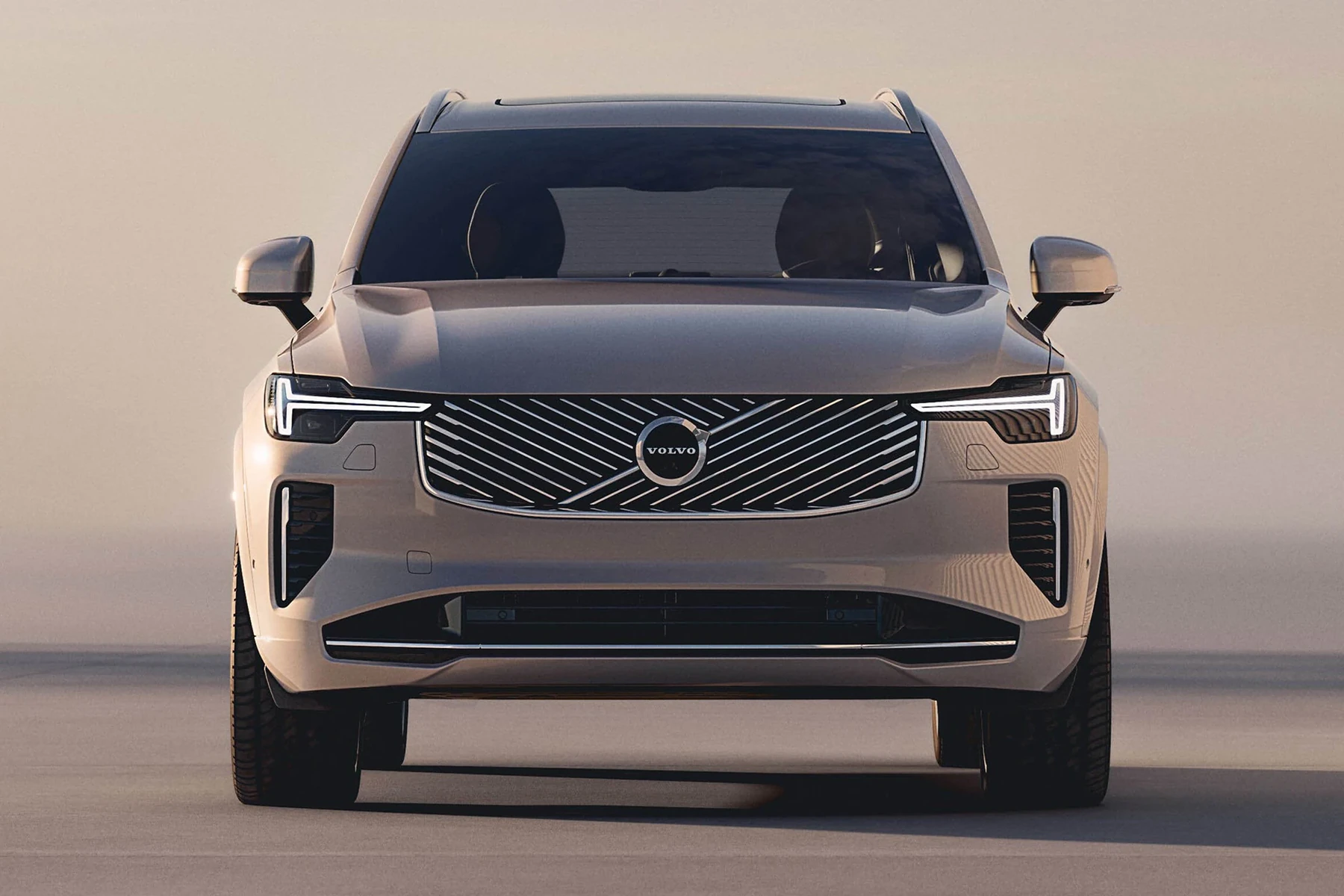
Despite the variability in ratings, Volvo remains committed to innovation in safety technology. The brand has been at the forefront of many safety advancements, including:
1. Advanced Driver Assistance Systems (ADAS)
Volvo’s vehicles are equipped with advanced driver assistance systems that include adaptive cruise control, lane-keeping assist, and automatic emergency braking. These features help prevent accidents and protect occupants in the event of a collision.
2. Robust Structural Design
Volvo cars are designed with a strong structural framework to absorb impact. The brand uses high-strength steel and innovative crumple zones that enhance occupant protection during crashes.
3. Ongoing Research and Development
Volvo invests heavily in research and development to improve safety technologies continuously. The company aims to eliminate fatalities and serious injuries in its new cars by 2025, showcasing its commitment to safety.
Comparative Safety Ratings of Popular Volvo Models
Here’s a brief look at how some popular Volvo models are rated by major safety organizations, showcasing the variability in ratings:
| Model | NHTSA Rating | IIHS Rating | Special Features |
|———–|————–|————-|——————————————–|
| XC90 | 5 stars | Top Safety Pick+ | Advanced ADAS, strong structural integrity |
| XC40 | 4 stars | Top Safety Pick | City Safety technology, robust design |
| S60 | 5 stars | Top Safety Pick+ | Comprehensive airbag system, stability control |
| V60 | 4 stars | Acceptable | Safety cage design, pedestrian detection |
The table illustrates that while some models achieve top ratings, others may fall short due to differing criteria.
What to Consider When Choosing a Volvo
When selecting a Volvo, consider the following factors:
1. Model-Specific Features
Research the specific safety features of the model you’re considering. Some models may have additional advanced safety technologies that others do not.
2. Personal Safety Needs
Assess your personal safety needs. If you frequently drive in high-traffic areas, features like automatic emergency braking may be more critical to you.
3. Consult Safety Ratings
While ratings are important, they should not be the sole factor in your decision. Consider the overall reputation of the brand for safety, customer reviews, and your own driving behavior.
Frequently Asked Questions
Are Volvos Safe Vehicles?
Yes, Volvos are known for their safety features and innovations, despite some variability in ratings.
Why Do Some Volvo Models Receive Lower Safety Ratings?
Lower ratings can be attributed to testing methodologies and criteria that may not highlight Volvo’s strengths.
How Does Volvo’s Safety Technology Compare to Other Brands?
Volvo is often recognized as a leader in safety technology, consistently integrating advanced features across its models.
What Are the Most Important Safety Features in a Volvo?
Key features include adaptive cruise control, lane-keeping assistance, and robust structural design.
Should I Rely Solely on Safety Ratings When Buying a Car?
While safety ratings are helpful, consider personal safety needs, model-specific features, and overall brand reputation.
💡 Evans Torres Tip: Always test drive a Volvo and assess its safety features in real-world conditions. This firsthand experience can supplement safety ratings and provide peace of mind.
Final Verdict
Understanding why Volvo is not rated for safety involves looking beyond the numbers. While some models may not achieve top ratings, Volvo’s commitment to safety technology, robust design, and continuous innovation makes its vehicles some of the safest on the road. Always consider individual model features and personal safety needs when making a decision.
Author

Author

Evans Torres
I’m Evans Torres, an automotive engineer who loves Volvo cars. I graduated in Automotive Engineering from USC. I have worked in the car industry for years and now share my knowledge on The Volvo Life. I started this blog to connect with other Volvo fans. I offer tips, news, and advice to help you care for your car. My goal is to help you keep your Volvo in great shape and find all the best things about it. Join me as we discover everything Volvo has to offer!