


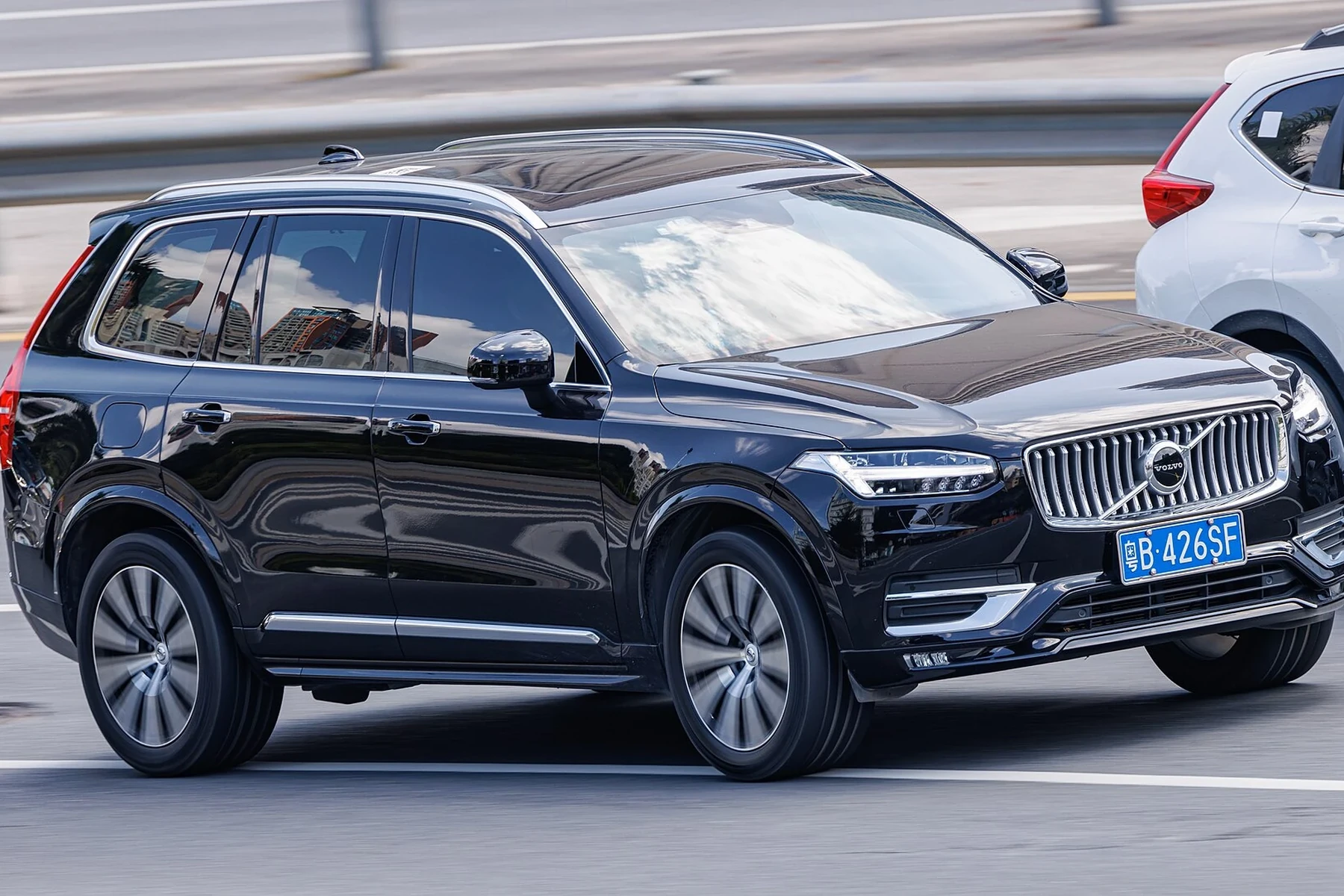
Volvo has a great reputation for safety due to its long-standing commitment to innovative safety technology, robust crash test performance, and a culture prioritizing driver and passenger protection.
Volvo is synonymous with safety in the automotive world. For decades, the brand has been committed to creating vehicles that not only meet but exceed safety standards. This dedication has earned Volvo a stellar reputation among drivers and automotive experts alike.
For related context, you may also want to read how much is a battery for a Volvo XC60.
In this guide, we will delve into why Volvo holds such a prestigious position in the realm of vehicle safety, exploring its innovations, safety technologies, and real-world impact.
- Volvo pioneered the three-point seatbelt, revolutionizing automotive safety.
- Advanced safety technologies like City Safety and Pilot Assist significantly reduce accident risks.
- Volvo vehicles undergo rigorous testing, often outperforming competitors in crash tests.
- The brand’s safety culture prioritizes continuous improvement and innovation.
- Volvo’s Vision 2020 aims for zero fatalities in their vehicles by the year 2020 and beyond.
Volvo’s Safety Heritage: Pioneering Innovations
Volvo’s commitment to safety began in 1959 when engineer Nils Bohlin invented the three-point seatbelt. This simple yet revolutionary design became a standard feature across the automotive industry. The company made the patent available to all manufacturers, emphasizing their dedication to saving lives over profit.
Since then, Volvo has continued to innovate with safety features that focus on protecting occupants and preventing accidents. The brand’s history is marked by a series of firsts in automotive safety, including the introduction of side-impact airbags and pedestrian detection systems.
This connects closely with how much is an oil change for a Volvo XC60 if you want to compare the topic in more detail.
Top Safety Technologies in Volvo Vehicles
Volvo integrates a host of advanced safety technologies in its vehicles. Here are some key systems that contribute to the brand’s reputation:
City Safety
City Safety is an automatic emergency braking system that detects vehicles, pedestrians, and cyclists. It activates when a collision is imminent, reducing the severity of an accident or preventing it altogether. This technology is standard in most Volvo models.
Pilot Assist
Pilot Assist offers semi-autonomous driving capabilities, assisting with steering, acceleration, and braking. This feature is designed to reduce driver fatigue and enhance safety during highway driving. You can also use how much is an oil change for a Volvo XC90 as a helpful next guide on the same ownership topic.
Blind Spot Information System (BLIS)
BLIS warns drivers of vehicles in their blind spots, using sensors to detect nearby traffic. This system is invaluable for lane changes and merges, minimizing the risk of side collisions.
Run-off Road Protection
This technology helps prevent accidents when a vehicle veers off the road. It includes features like seatbelt pre-tensioners and energy-absorbing structures in the seats to protect occupants during such incidents.
Robust Crash Test Performance
Volvo vehicles consistently achieve high ratings in crash tests conducted by organizations such as the National Highway Traffic Safety Administration (NHTSA) and the Insurance Institute for Highway Safety (IIHS). Their cars are built with high-strength steel and advanced crumple-zone designs, which absorb and distribute crash energy effectively.
The rigorous testing protocols ensure that Volvo vehicles not only meet but often exceed safety standards, solidifying their reputation as some of the safest cars on the road.
A Culture of Safety and Continuous Improvement
Volvo’s safety ethos extends beyond technological advancements. The company fosters a culture focused on safety at every organizational level. This commitment is encapsulated in their Vision 2020 initiative, which aimed for no fatalities or serious injuries in a new Volvo by 2020.
Although they have not reached this goal entirely, their ongoing efforts continue to push the boundaries of automotive safety.
This culture also involves rigorous training programs for employees, ensuring that safety remains a top priority in all aspects of vehicle design and manufacturing.
Real-World Impact of Volvo’s Safety Innovations
The effectiveness of Volvo’s safety innovations can be seen in real-world statistics. The brand has reported a significant reduction in fatalities and serious injuries among Volvo occupants compared to the average in the automotive industry.
This can be attributed to their proactive approach to safety, which includes extensive research and development.
For example, studies show that Volvo drivers are less likely to be involved in serious accidents, thanks to features like adaptive cruise control and collision avoidance systems. This real-world impact reinforces the brand’s reputation as a leader in safety.
Volvo’s Commitment to Sustainable Safety
Volvo is not only focused on vehicle safety but also on sustainability. Their vehicles are designed with safer materials and production processes that minimize environmental impact. This dual commitment to safety and sustainability resonates well with eco-conscious consumers.
As part of their strategy, Volvo aims to have 50% of its global sales to be fully electric by 2025, incorporating advanced safety features into their electric lineup as well.
💡 Evans Torres Tip: Consider opting for Volvo’s latest models equipped with advanced safety technologies for the best protection and peace of mind on the road.
Frequently Asked Questions
What Makes Volvo Cars Safer Than Other Brands?
Volvo’s commitment to safety, innovative technologies, and rigorous testing protocols contribute to their superior safety standards compared to other brands.
How Does City Safety Work?
City Safety uses sensors to detect potential collisions with vehicles, pedestrians, and cyclists. It automatically applies the brakes if the driver does not react in time, reducing the severity or preventing an accident.
Are All Volvo Models Equipped with the Same Safety Features?
While many safety features are standard across Volvo models, higher trims may include additional advanced technologies. It’s advisable to check specific model specifications for details.
What Is the Significance of Vision 2020 for Volvo?
Vision 2020 is Volvo’s initiative aimed at eliminating fatalities and serious injuries in their new cars, reflecting their commitment to safety and continuous improvement in vehicle design.
How Does Volvo Test Its Vehicles for Safety?
Volvo employs a range of crash tests, simulations, and real-world data analysis to ensure their vehicles meet and exceed safety standards. This includes rigorous evaluation of structural integrity and safety technologies.
Final Verdict
Volvo’s great reputation for safety is not mere marketing; it is backed by decades of innovation, rigorous testing, and a culture dedicated to protecting drivers and passengers. With advanced safety technologies and a commitment to continuous improvement, Volvo continues to set the standard in automotive safety.
For anyone considering a new vehicle, a Volvo represents a smart choice for those who prioritize safety on the road.
Author

Author

Evans Torres
I’m Evans Torres, an automotive engineer who loves Volvo cars. I graduated in Automotive Engineering from USC. I have worked in the car industry for years and now share my knowledge on The Volvo Life. I started this blog to connect with other Volvo fans. I offer tips, news, and advice to help you care for your car. My goal is to help you keep your Volvo in great shape and find all the best things about it. Join me as we discover everything Volvo has to offer!