


Volvo is known for safety due to its pioneering safety technologies, rigorous crash testing, and commitment to passenger protection. The brand consistently integrates innovative features to enhance vehicle safety, making it a leader in the automotive industry.
Volvo has established itself as a symbol of automotive safety, a reputation built over decades of innovation and commitment to passenger protection. The brand’s approach to safety extends beyond mere compliance with regulations; it encompasses a comprehensive philosophy that prioritizes the well-being of drivers and passengers alike. In this guide, we will explore the key factors that contribute to Volvo’s safety reputation and the technologies that set it apart in the automotive world.
- Volvo pioneered the three-point seatbelt, a game-changing safety feature.
- The brand invests heavily in research and development for advanced safety technologies.
- Volvo vehicles undergo rigorous crash testing and real-world scenario evaluations.
- Innovative features like City Safety and Pilot Assist enhance driver control and accident prevention.
- Volvo’s commitment to safety extends to all aspects of vehicle design and manufacturing.
Volvo’s Safety Legacy: A Historical Perspective
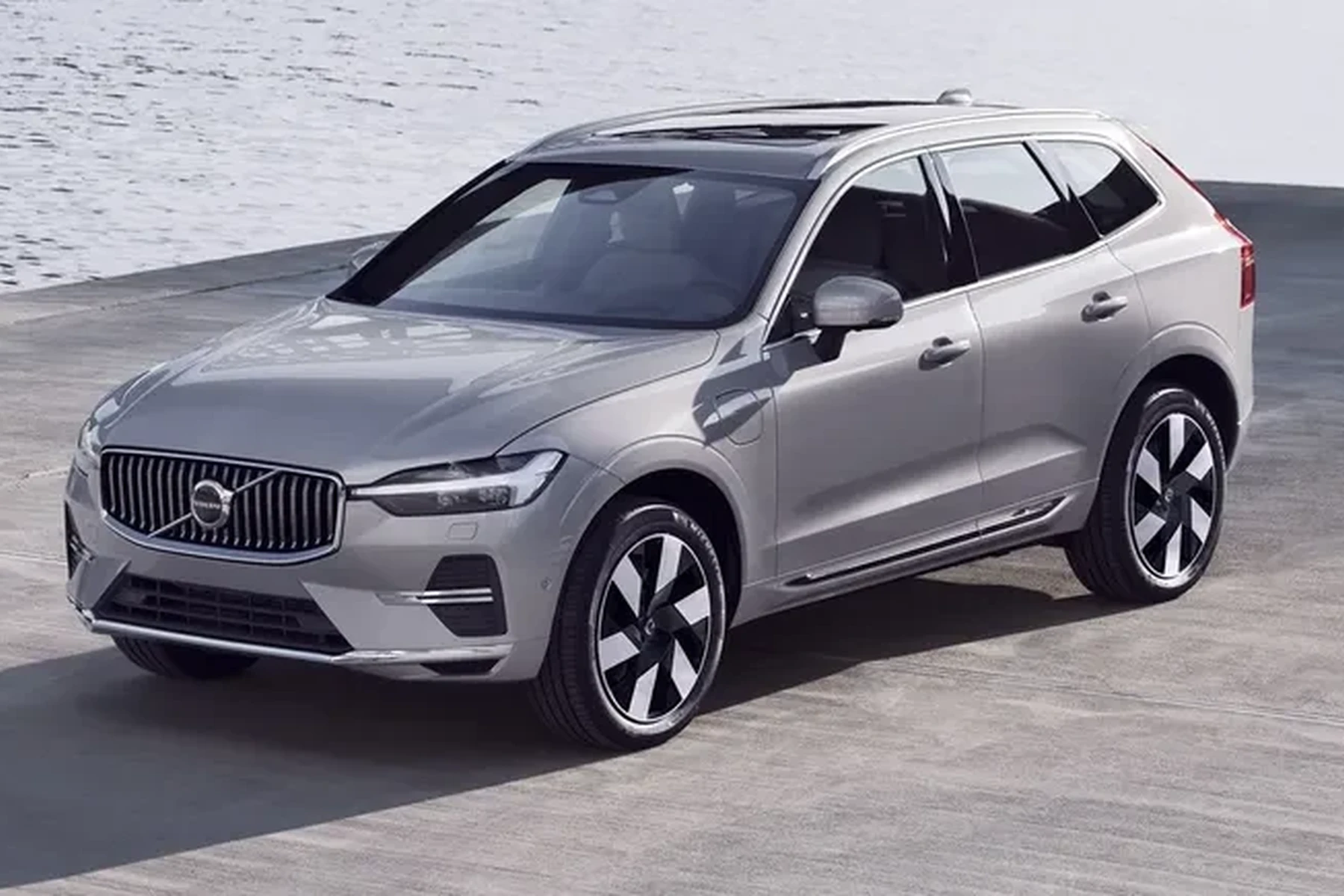
Volvo’s commitment to safety dates back to its founding in 1927. The introduction of the three-point seatbelt in 1959 by engineer Nils Bohlin was a pivotal moment. This simple yet revolutionary design has saved countless lives and is now standard in nearly all vehicles worldwide. Volvo chose to share the patent for the seatbelt with other manufacturers, highlighting its dedication to public safety over profit.
Throughout the years, Volvo has continued to innovate. In the 1970s, it introduced crumple zones, which absorb impact energy during collisions. This was followed by side-impact protection systems in the 1990s, further solidifying Volvo’s status as a pioneer in automotive safety.
Key Safety Innovations in Volvo Vehicles
Volvo integrates a variety of advanced safety technologies that enhance driver and passenger protection. Some of the most notable innovations include:
City Safety
City Safety is an advanced collision avoidance system that uses sensors and cameras to detect vehicles, pedestrians, and cyclists. It can automatically apply brakes to prevent accidents in urban environments. This system is standard in many Volvo models and significantly reduces the likelihood of low-speed collisions.
Pilot Assist
Pilot Assist is Volvo’s semi-autonomous driving feature. It helps maintain speed, distance from other vehicles, and lane-keeping assistance. This technology enhances driver control and reduces fatigue during long drives. While not fully autonomous, it represents a significant step towards safer driving.
Run-off Road Protection
This technology helps prevent injuries when a vehicle leaves the roadway. It features seatbelt pre-tensioners that tighten during a potential crash and energy-absorbing elements in the seats to minimize injury risk during a rollover.
Blind Spot Information System (BLIS)
BLIS uses radar sensors to monitor blind spots and provides alerts if a vehicle is detected in these areas. This feature is crucial for preventing accidents during lane changes.
Volvo’s Commitment to Rigorous Testing

Safety is not just about technology; it’s also about how those technologies are tested. Volvo conducts extensive crash tests and utilizes advanced simulation tools to evaluate vehicle safety. Each new model undergoes rigorous testing, including:
- Frontal Impact Tests: Evaluating how well vehicles protect occupants during head-on collisions.
- Side Impact Tests: Assessing the vehicle’s ability to protect against side collisions.
- Pedestrian Safety Evaluations: Ensuring that vehicles minimize injury to pedestrians in the event of a collision.
This comprehensive testing process allows Volvo to identify potential weaknesses and enhance safety features before vehicles reach consumers.
Real-World Safety Performance
Volvo’s commitment to safety extends beyond controlled testing environments. The brand regularly analyzes real-world crash data to refine its safety technologies. The National Highway Traffic Safety Administration (NHTSA) and the Insurance Institute for Highway Safety (IIHS) consistently rank Volvo vehicles highly in safety assessments.
For instance, the Volvo XC90 has received top ratings in crash tests and is praised for its safety features. Such accolades reinforce Volvo’s dedication to maintaining high safety standards across its model lineup.
How Volvo’s Safety Philosophy Affects Design
Volvo’s safety philosophy deeply influences its design and engineering processes. The brand’s approach focuses on creating vehicles that are not only safe but also user-friendly. Features such as higher seating positions for better visibility, intuitive controls, and ergonomic designs all contribute to safer driving experiences.
Moreover, Volvo is committed to sustainable safety. This includes using environmentally friendly materials and designs that consider the entire lifecycle of the vehicle. Their goal is to create a safer future for both drivers and the planet.
Volvo’s Vision for the Future of Automotive Safety
Looking ahead, Volvo has set ambitious goals for the future of automotive safety. The brand aims for zero fatalities or serious injuries in new Volvo vehicles by 2025. This vision drives continuous innovation and research in areas such as autonomous driving and enhanced safety technologies.
Volvo is also exploring artificial intelligence and machine learning to improve safety systems. These technologies can analyze driving patterns and environmental conditions to help prevent accidents.
💡 Evans Torres Tip: Always keep your Volvo’s safety systems updated. Regular software updates can enhance features like City Safety and Pilot Assist, ensuring you benefit from the latest safety advancements.
Frequently Asked Questions
What Makes Volvo Cars Safer Than Other Brands?
Volvo cars are designed with a strong emphasis on safety features and rigorous testing. Innovations like the three-point seatbelt and advanced driver-assistance systems set them apart from competitors.
Are All Volvo Models Equipped with Advanced Safety Features?
Most modern Volvo models come equipped with advanced safety technologies as standard features. However, specific systems may vary by model and trim level.
How Does Volvo Ensure the Safety of Its Vehicles?
Volvo employs extensive testing, including crash simulations and real-world data analysis, to continuously improve the safety of its vehicles.
What Is the Significance of Volvo’s Safety Rating?
High safety ratings from organizations like the IIHS and NHTSA reflect a vehicle’s ability to protect occupants during crashes, influencing consumer choices and brand reputation.
How Does Volvo’s Safety Technology Benefit New Drivers?
Volvo’s safety technologies, such as Pilot Assist and City Safety, provide new drivers with additional support, helping them make safer driving decisions and reducing the likelihood of accidents.
Final Verdict
Volvo’s reputation for safety is well-deserved, rooted in a history of innovation and a commitment to protecting occupants. From pioneering the three-point seatbelt to developing advanced safety systems, Volvo continues to lead the automotive industry in safety technology. As they move towards a future with zero fatalities, Volvo remains a top choice for anyone prioritizing safety in their vehicle.
Author

Author

Evans Torres
I’m Evans Torres, an automotive engineer who loves Volvo cars. I graduated in Automotive Engineering from USC. I have worked in the car industry for years and now share my knowledge on The Volvo Life. I started this blog to connect with other Volvo fans. I offer tips, news, and advice to help you care for your car. My goal is to help you keep your Volvo in great shape and find all the best things about it. Join me as we discover everything Volvo has to offer!