


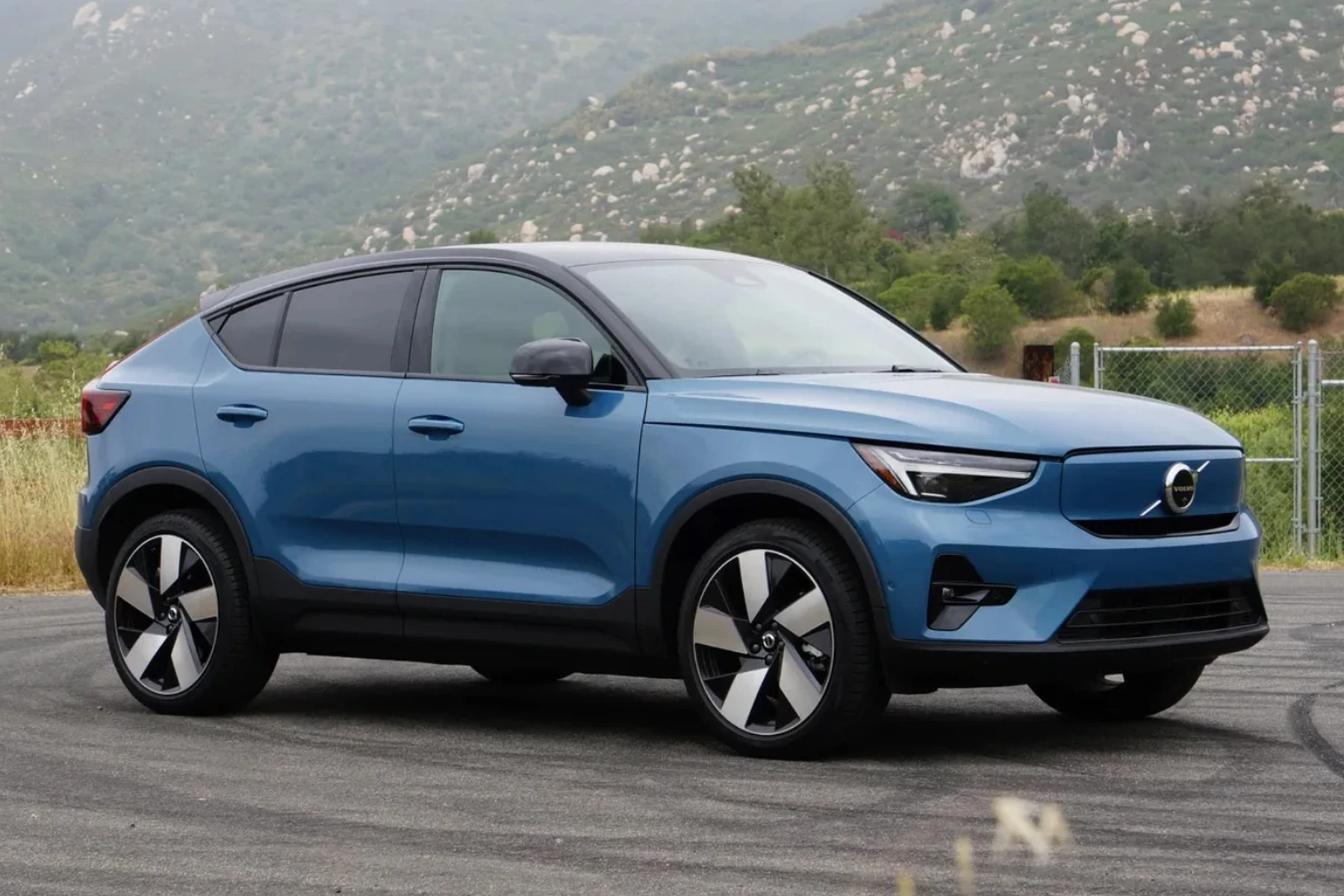
The Volvo EX40 and EC40 differ primarily in their battery specifications, charging capabilities, and overall range. Understanding these differences is essential for choosing the right model.
The growing popularity of electric vehicles (EVs) has led to the launch of various models, including the Volvo EX40 and EC40. Both vehicles offer unique features, but their battery systems significantly impact performance.
This article delves into the differences between the two, focusing on battery specifications, charging options, and range capabilities. Knowing these details can help potential buyers make informed decisions.
- The Volvo EX40 and EC40 feature different battery capacities, influencing their range.
- Charging options vary between the two models, affecting convenience and charging times.
- Understanding real-world factors can help maximize battery longevity and performance.
- Battery care and safety protocols are crucial for both the EX40 and EC40 models.
Volvo EX40 Vs. EC40: Battery Specifications
The Volvo EX40 and EC40 come equipped with distinct battery systems. The EX40 features a larger battery capacity, providing more energy storage. Specifically, the EX40’s battery capacity can peak at around 69 kWh, while the EC40 typically has a battery capacity of about 66 kWh.
This difference in battery size influences not only the range but also the overall performance of each vehicle.
When considering battery weight, the EX40 is slightly heavier due to its larger battery. This factor can impact acceleration and driving dynamics, although the difference may be negligible in everyday driving scenarios. Understanding these specifications allows buyers to choose a model that best fits their driving needs.
For related context, you may also want to read Volvo ex60 vs ex40 comparison battery.
Charging Capabilities
Both models offer different charging capabilities, which can affect how quickly and conveniently you can recharge your vehicle. The EX40 supports faster charging rates, allowing for quicker top-ups at public charging stations.
Charging Speed Comparison
The EX40 can handle DC fast charging at rates up to 150 kW. This enables the vehicle to regain a significant percentage of its battery capacity in about 30 minutes. In contrast, the EC40 supports DC fast charging at a slightly lower rate, typically around 130 kW.
This means that while both vehicles can charge quickly, the EX40 has the edge in speed.
Home Charging Options
For home charging, both models can be connected to a standard home outlet or a Level 2 charging station. The EX40, due to its larger battery, may take longer to charge fully from a standard outlet.
Homeowners should consider investing in a Level 2 charger for either model to significantly reduce charging times.
Real-World Range and Performance
Range is a crucial factor for any EV, and both the EX40 and EC40 offer impressive mileage. The EX40 has an estimated range of approximately 250 miles on a full charge, while the EC40 can reach around 240 miles. However, various real-world factors can influence these numbers.
Factors Affecting Range
Driving habits, weather conditions, and terrain can all impact how far you can drive on a single charge. For example, aggressive acceleration and high speeds can decrease range. Cold weather can also negatively affect battery performance, reducing range by about 20-30% in some cases.
Being mindful of these factors can help maximize the efficiency of either model.
Maximizing Battery Life
To extend the life of your battery, consider adopting certain practices. Regularly charging to about 80% and avoiding deep discharges can protect battery health. Additionally, utilizing regenerative braking can help replenish energy while driving, which is beneficial for both models.
🔧 Practical Tips: Regular maintenance and proper charging habits can enhance battery longevity. Aim to charge your EV during off-peak hours to save on electricity costs.
Battery Safety and Care
Battery safety is a priority for Volvo, and both the EX40 and EC40 incorporate advanced safety features. These include thermal management systems designed to keep the battery at optimal temperatures, reducing the risk of overheating.
This connects closely with Volvo ec40 vs ex60 comparison battery if you want to compare the topic in more detail.
Battery Maintenance
Maintaining your vehicle’s battery is straightforward. Regular software updates can improve battery management systems, ensuring optimal performance. Additionally, if any warning lights appear on your dashboard related to the battery, it’s crucial to address them immediately.
Ignoring these warnings can lead to more significant issues down the line.
Battery Warranty
Both the EX40 and EC40 come with a warranty that typically covers the battery for 8 years or 100,000 miles, whichever comes first. This warranty ensures peace of mind for buyers, knowing that any significant battery issues will be addressed by the manufacturer.
⚠️ Safety Note: If you experience any significant battery performance issues, avoid driving the vehicle until it has been inspected by a qualified technician. Safety should always be your priority.
Cost Considerations for Charging
The cost of charging your Volvo EV can vary based on local electricity rates and the charging method selected. Generally, charging at home can be more economical than using public charging stations.
Cost of Home Charging
Charging at home typically costs between $0.13 and $0.25 per kWh in the United States, depending on your local utility rates. For a full charge, this means you might spend around $8.50 to $17.50 for the EX40 and $8.25 to $16.50 for the EC40, based on their respective battery capacities.
Public Charging Costs
Public charging stations may charge a premium, averaging around $0.30 to $0.60 per kWh. Using fast chargers can quickly add up, so understanding the costs associated with public charging is essential for budgeting your EV expenses.
💡 Did You Know? Many utility providers offer special EV charging rates that can help reduce your overall charging costs. Check with your local provider for details.
Frequently Asked Questions
What Is the Primary Difference in Battery Capacity Between the Volvo EX40 and EC40?
The primary difference is that the EX40 features a battery capacity of around 69 kWh, while the EC40 has a capacity of about 66 kWh.
How Long Does It Take to Charge the Volvo EX40 and EC40?
Charging times can vary. The EX40 charges faster, taking about 30 minutes for a significant charge at a DC fast charging station, while the EC40 may take slightly longer.
What Factors Can Affect the Real-world Range of These Vehicles?
Driving habits, weather conditions, and terrain can all impact the range. Cold weather, in particular, can reduce battery performance and range.
What Safety Features Are Included in the Battery Systems?
Both models feature thermal management systems to prevent overheating and regular software updates to ensure optimal performance.
Is There a Warranty for the Battery?
Yes, both the EX40 and EC40 come with an 8-year or 100,000-mile warranty on the battery, covering significant issues that may arise.
💡 Evans Torres Tip: Always keep your EV’s software updated to benefit from the latest battery management improvements and safety features.
Final Verdict
Choosing between the Volvo EX40 and EC40 involves understanding the differences in their battery systems, charging capabilities, and real-world performance. The EX40 offers a larger battery and faster charging, while the EC40 presents a slightly more compact option.
Weighing these factors against your driving habits and charging preferences will help you select the right model for your needs.
Author

Author

Evans Torres
I’m Evans Torres, an automotive engineer who loves Volvo cars. I graduated in Automotive Engineering from USC. I have worked in the car industry for years and now share my knowledge on The Volvo Life. I started this blog to connect with other Volvo fans. I offer tips, news, and advice to help you care for your car. My goal is to help you keep your Volvo in great shape and find all the best things about it. Join me as we discover everything Volvo has to offer!