



High engine temp in a Volvo XC60 can indicate issues like low coolant, a faulty thermostat, or a malfunctioning water pump. Immediate action is needed to prevent engine damage.
As a Volvo XC60 owner, encountering high engine temperatures can be alarming. The XC60 is designed for performance and safety, but overheating can lead to serious engine problems if not addressed promptly. Understanding the causes, symptoms, and necessary actions can help you maintain your vehicle’s health.
This guide provides practical insights into managing high engine temperatures in your Volvo XC60.
- High engine temp can result from low coolant levels, a malfunctioning thermostat, or issues with the water pump.
- Immediate checks on coolant levels and thermostat functionality are essential.
- Ignoring high temperatures can lead to severe engine damage and costly repairs.
- Regular maintenance can prevent overheating issues in your Volvo XC60.
Understanding High Engine Temperatures in the Volvo XC60

High engine temperatures can signify serious issues that require immediate attention. The Volvo XC60, like many modern vehicles, relies on a cooling system to maintain optimal engine temperature. When this system fails, it can lead to overheating.
The normal operating temperature for a Volvo XC60 typically ranges between 195°F and 220°F. If your dashboard warning lights indicate that your engine temperature is exceeding this range, you need to investigate further.
Common Causes of High Engine Temperature
Several factors can contribute to high engine temperatures in your XC60:
- Low Coolant Levels: One of the most common reasons for an overheated engine is inadequate coolant. Regularly check your coolant levels and top off as necessary.
- Faulty Thermostat: The thermostat regulates coolant flow. A malfunctioning thermostat can either stick closed, preventing coolant from circulating, or open too late, causing overheating.
- Malfunctioning Water Pump: The water pump circulates coolant through the engine. If it fails, coolant can’t flow, leading to overheating.
- Radiator Issues: A clogged or damaged radiator can impede coolant flow. Ensure your radiator is clean and functioning properly.
Symptoms of Overheating
Recognizing the symptoms of an overheated engine is crucial for timely intervention. Here are some signs to watch for:
- Dashboard Warning Lights: Your XC60 may display warning lights indicating high engine temperature. Pay attention to these alerts.
- Steam or Smoke: If you see steam or smoke coming from under the hood, this indicates severe overheating and requires immediate action.
- Poor Performance: An engine running hotter than normal may exhibit reduced performance, such as sluggish acceleration or unusual sounds.
Immediate Actions to Take
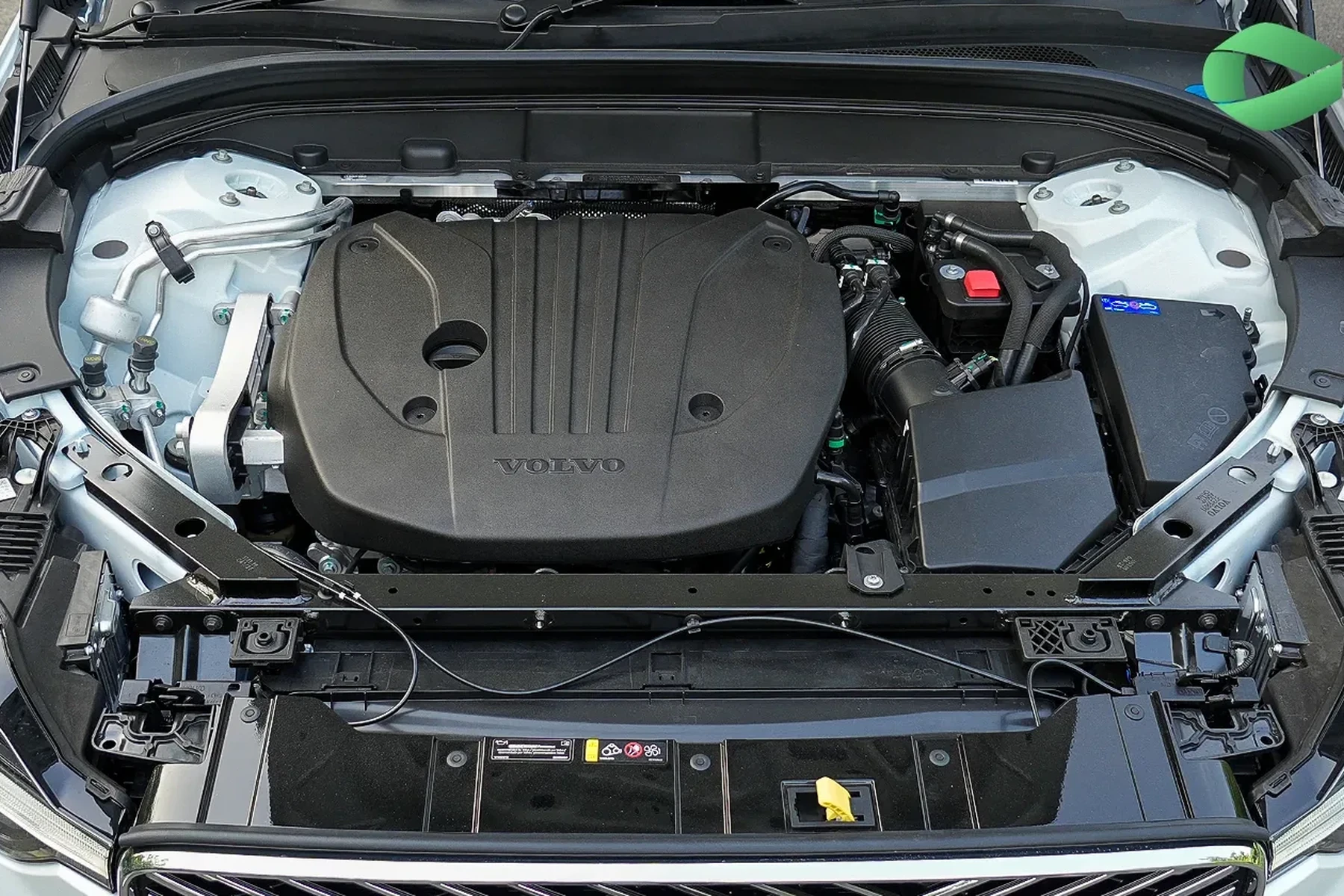
When you notice high engine temperatures, take these steps immediately:
- Pull Over Safely: If driving, find a safe area to pull over. Continuing to drive can cause severe engine damage.
- Turn Off the Engine: Shut down your engine to allow it to cool. This can prevent further damage.
- Check Coolant Levels: Once the engine is cool, check the coolant reservoir. If levels are low, add the appropriate coolant mixture.
- Inspect for Leaks: Look for any visible leaks under the vehicle or around the engine compartment. Leaks can lead to coolant loss.
- Restart and Monitor: After addressing any coolant issues, restart the engine and monitor the temperature. If it remains high, further diagnostics are needed.
Diagnosing the Issue
If high engine temperatures persist, further diagnostics are required. Here’s how to identify the root cause:
Checking the Coolant System
- Visual Inspection: Inspect hoses and connections for cracks or leaks. Look for discolored or contaminated coolant.
- Pressure Test: A pressure test can reveal leaks in the cooling system. This is typically performed by a mechanic.
Testing the Thermostat
- Thermostat Check: Remove the thermostat and test it in hot water to see if it opens at the correct temperature. If it doesn’t, replacement is necessary.
Assessing the Water Pump
- Pump Functionality: Listen for unusual noises from the water pump. If you notice grinding or whining sounds, it may need to be replaced.
Preventive Measures to Avoid Overheating
Regular maintenance can help prevent high engine temperatures in your XC60. Here are some tips:
- Regular Coolant Checks: Monitor coolant levels regularly and replace coolant as per the manufacturer’s guidelines.
- Routine Maintenance: Schedule regular inspections of your cooling system, including the radiator, hoses, and thermostat.
- Use Quality Fluids: Always use the recommended engine coolant and engine oil for your XC60 to ensure optimal performance.
- Replace Components as Needed: If you notice any issues with your thermostat, water pump, or radiator, address them promptly to prevent overheating.
🔧 Practical Tip: Consider keeping a spare bottle of coolant in your XC60. This can be invaluable in case of unexpected overheating incidents.
Frequently Asked Questions
What Should I Do If My Volvo XC60 Overheats While Driving?
If your XC60 overheats while driving, pull over safely, turn off the engine, and let it cool down. Check coolant levels and look for leaks before restarting.
How Can I Check If My Thermostat Is Working Properly?
To check your thermostat, remove it and place it in hot water. It should open at the specified temperature. If it doesn’t, it needs replacement.
Can I Drive My XC60 with a High Engine Temperature?
Driving with a high engine temperature can cause severe engine damage. It’s best to address the problem immediately instead of continuing to drive.
How Often Should I Service My Cooling System?
It’s recommended to have your cooling system inspected at least once a year or every 30,000 miles, whichever comes first.
What Type of Coolant Should I Use for My XC60?
Always use the coolant specified in your owner’s manual. Volvo typically recommends a specific type of coolant for optimal performance.
💡 Evans Torres Tip: Regularly check your coolant levels and top them off as needed. This simple step can prevent overheating issues and extend the life of your engine.
Final Verdict
Managing high engine temperatures in your Volvo XC60 is critical for maintaining its performance and longevity. Regular maintenance, prompt diagnosis, and addressing issues as they arise can help you avoid severe engine damage. If you frequently encounter high temperatures, consider consulting a professional mechanic to ensure your XC60 remains in top condition.
Author

Author

Evans Torres
I’m Evans Torres, an automotive engineer who loves Volvo cars. I graduated in Automotive Engineering from USC. I have worked in the car industry for years and now share my knowledge on The Volvo Life. I started this blog to connect with other Volvo fans. I offer tips, news, and advice to help you care for your car. My goal is to help you keep your Volvo in great shape and find all the best things about it. Join me as we discover everything Volvo has to offer!