



Problems with Volvo XC90 can range from electrical issues to engine troubles. Common symptoms include warning lights, unusual noises, and performance drops. Prompt diagnosis and repair can prevent further damage.
The Volvo XC90 is renowned for its safety and luxury, but like any vehicle, it has its share of problems. Understanding these issues is essential for maintaining your vehicle’s performance and safety. This article dives into common problems, their urgency, symptoms, causes, and repair options for the Volvo XC90.
- Common problems with the Volvo XC90 include electrical malfunctions and engine issues.
- Warning lights indicate urgent problems that require immediate attention.
- Regular maintenance can prevent many common issues.
- Some repairs can be DIY, while others need a mechanic’s expertise.
- Ignoring symptoms can lead to costly repairs and safety risks.
Common Warning Lights and Their Meaning
Warning lights on your XC90’s dashboard can signal various issues. Here are a few critical ones:
Check Engine Light
The Check Engine Light (CEL) can indicate numerous problems, from minor issues like a loose gas cap to significant engine malfunctions. Ignoring this light can lead to severe engine damage.
Transmission Warning Light
If the transmission warning light illuminates, it may indicate a transmission fluid leak or a need for servicing. Prompt attention is necessary to avoid transmission failure.
Brake System Warning Light
This light warns of issues with the braking system, such as low brake fluid or worn brake pads. Since brakes are crucial for safety, any indication requires immediate attention.
Symptoms of Problems with the Volvo XC90
Recognizing the symptoms of common problems can help catch issues early. Here are some signs to watch for:
Unusual Noises
Strange sounds, such as grinding or whining, could indicate issues with the engine, brakes, or transmission.
Decreased Performance
If you notice sluggish acceleration or difficulty shifting gears, it may be a sign of engine or transmission problems.
Fluid Leaks
Puddles of fluid under your vehicle can indicate leaks from the engine, transmission, or cooling system. Identifying the fluid type can help diagnose the problem.
Likely Causes of Problems
Understanding the underlying causes of these symptoms can guide you in troubleshooting. Here are some common culprits:
Electrical Issues
Faulty wiring or a failing battery may lead to electrical problems, causing warning lights or system malfunctions.
Engine Wear
As the XC90 ages, engine components can wear out. Regular maintenance, including oil changes, can mitigate this.
Transmission Problems
Low transmission fluid or a failing transmission can lead to shifting issues. Regular fluid checks are crucial.
Diagnostic Steps and Safe Checks
Before heading to a mechanic, you can perform some basic checks to diagnose problems yourself:
1. Check Fluid Levels
Ensure all fluid levels (engine oil, transmission fluid, brake fluid) are within the recommended range.
2. Inspect for Leaks
Look underneath your vehicle for any signs of fluid leaks. Identifying the color can help pinpoint the issue.
3. Listen for Noises
Pay attention to any unusual sounds while driving. Note when they occur for better diagnosis.
4. Check Warning Lights
Use an OBD-II scanner to read any trouble codes. This can provide insight into the underlying problems.
💡 Evans Torres Tip: Regular maintenance is key to avoiding common problems with the Volvo XC90. Ensure timely oil changes, fluid checks, and brake inspections.
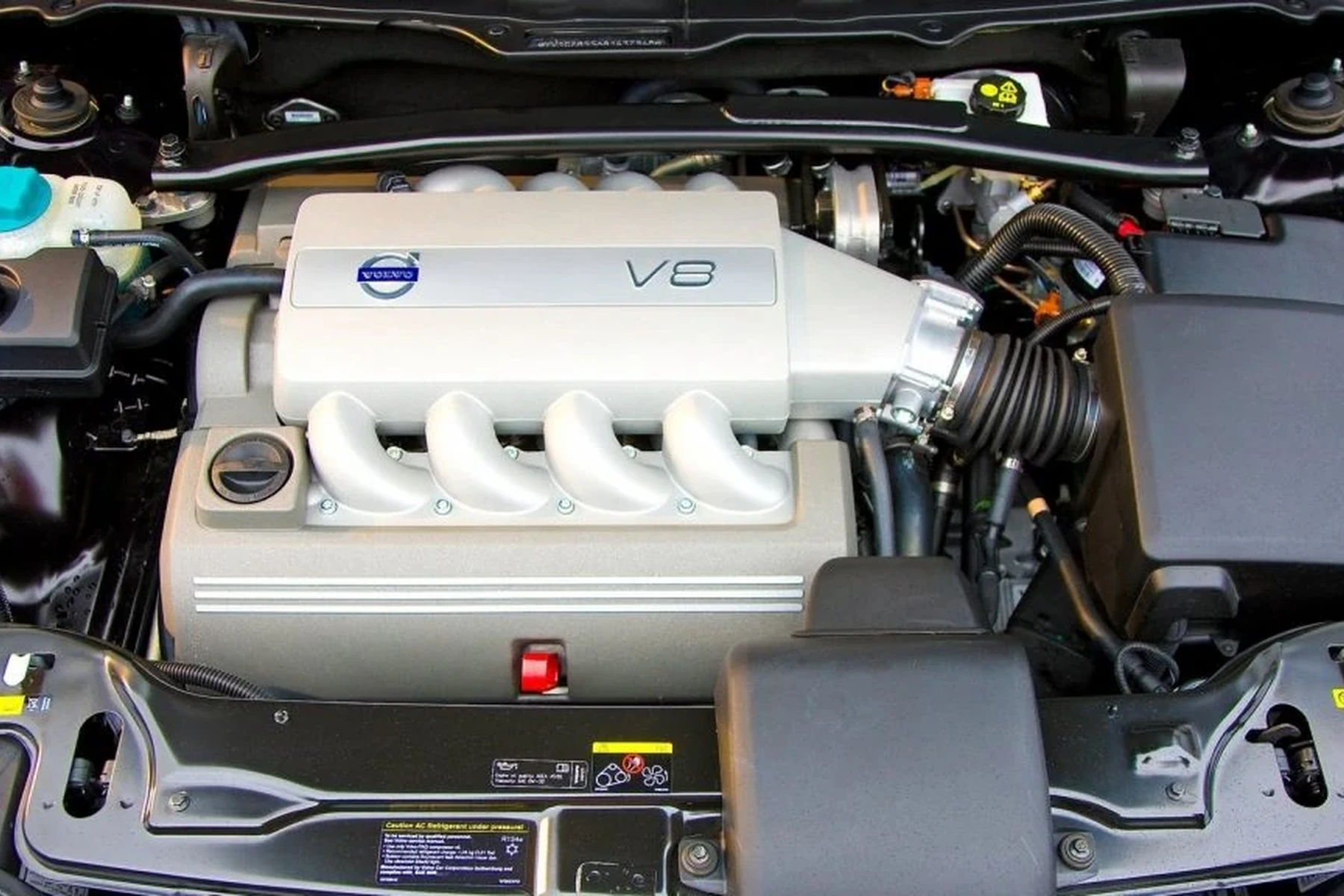

Repair Options: DIY Vs. Mechanic
Depending on the issue, some repairs may be DIY-friendly, while others require professional help.
DIY Repairs
Simple tasks like replacing a battery, changing oil, or checking fluid levels can often be done at home. If you’re comfortable with tools, consider these options.
Professional Repairs
Complex issues, such as transmission repairs or engine diagnostics, should be handled by a professional mechanic. They have the tools and expertise to diagnose and fix intricate problems efficiently.
Realistic Repair Costs
Repair costs for common problems can vary widely based on the severity and location:
Electrical Repairs
Electrical issues may range from $100 to $1,500, depending on the problem. For example, replacing a battery generally costs around $200, while more complex wiring issues can be more expensive.
Engine Repairs
Minor engine repairs might cost around $300, while major repairs can reach $2,500 or more, especially if components need replacement.
Transmission Repairs
Transmission fixes can range from $150 for fluid changes to $3,000 for a complete rebuild.
When to Stop Driving Your Volvo XC90
If you experience any of the following, stop driving your XC90 immediately:
- Warning lights indicating critical issues (e.g., brake or transmission lights).
- Unusual noises that worsen or don’t go away.
- Significant fluid leaks that could lead to brake failure or engine overheating.
- Severe performance drops, making it unsafe to drive.
It’s better to err on the side of caution and have your vehicle checked rather than risk further damage or safety hazards.
Frequently Asked Questions
What Are Common Problems with the Volvo XC90?
Common issues include electrical malfunctions, engine wear, and transmission problems. Regular maintenance can help mitigate these issues.
How Urgent Are Warning Lights on the XC90?
Warning lights indicate urgent problems that should be addressed immediately to avoid further damage.
Can I DIY Repairs on My Volvo XC90?
Certain repairs, like fluid checks and battery replacements, are DIY-friendly. Complex issues should be handled by a professional.
What Is the Average Cost of Volvo XC90 Repairs?
Repair costs can vary widely, from $100 for minor electrical fixes to over $3,000 for major transmission repairs.
When Should I Stop Driving My XC90?
Stop driving if you see critical warning lights, hear unusual noises, or experience severe performance drops.
What to Do Next
Understanding the common problems with the Volvo XC90 can save you time and money in the long run. Regular maintenance and quick action can prevent minor issues from escalating into major repairs. If you notice any warning signs, consult a professional mechanic to keep your vehicle running smoothly and safely.
Author

Author

Evans Torres
I’m Evans Torres, an automotive engineer who loves Volvo cars. I graduated in Automotive Engineering from USC. I have worked in the car industry for years and now share my knowledge on The Volvo Life. I started this blog to connect with other Volvo fans. I offer tips, news, and advice to help you care for your car. My goal is to help you keep your Volvo in great shape and find all the best things about it. Join me as we discover everything Volvo has to offer!