


The difference between volvo ex40 and xc40 is powertrain and running costs: EX40 is a fully electric compact SUV with silent thrust, DC fast charging and lower maintenance, while XC40 uses a turbo mild‑hybrid gas engine with quicker refueling and a lower starting price.
Volvo sells two closely related small SUVs in the U.S. that share the same stylish body and premium cabin but take different routes under the skin. The Volvo EX40 is the all‑electric version, renamed from the XC40 Recharge, while the Volvo XC40 remains a gasoline mild‑hybrid.
Shoppers compare them because both seat five, feel equally upscale, and live at the same size class. The choice centers on energy: charging at home and EV range versus gas mpg and road‑trip refueling. Price, incentives, and local charging access tip the scales for many buyers.
- Main difference: EX40 is EV-only with DC fast charging and near-silent acceleration; XC40 is gas-only (mild‑hybrid) with faster refueling and a lower entry price.
- Best for A: EX40 suits drivers with home/work charging who want swift performance, lower routine maintenance and mostly under-300‑mile days.
- Best for B: XC40 fits mixed or rural driving, frequent multi‑stop road trips, shared-car households and buyers prioritizing purchase price.
- Cost/value: EX40 can win on total cost with home electricity and incentives; XC40 typically starts thousands less and has broader dealer inventory.
- Important caveat: Real EV range depends on wheel size, weather and speed; likewise XC40 mpg shifts with AWD, tires and load—verify your exact build.
Are Volvo EX40 and Volvo XC40 direct competitors?
Yes, they compete within the same premium subcompact/compact SUV segment and share the same basic body, seating for five, and footprint. The key fork is propulsion: battery‑electric (EX40) versus gasoline mild‑hybrid (XC40).
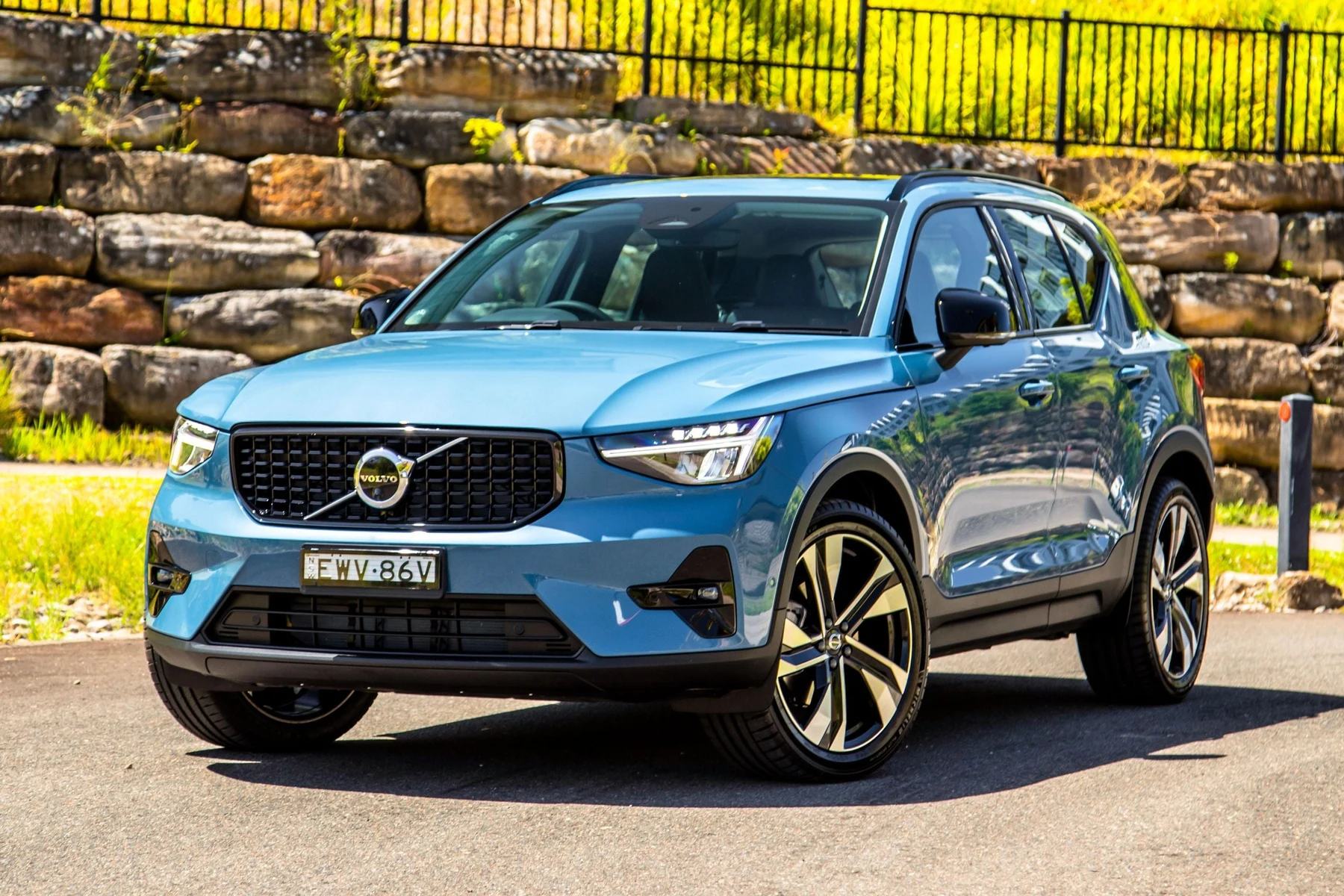
Because they look and feel similar, many buyers cross‑shop them. Pricing overlaps at higher XC40 trims and entry EX40 builds, but the EX40’s battery and dual‑motor options can push it higher.
Volvo EX40 vs Volvo XC40 at a glance
The table below highlights the specs most shoppers ask about—powertrain, range/mpg, charging/refueling, space, safety and price—so you can narrow in on the factors that matter for your routine.
| Spec | Volvo EX40 (EV) | Volvo XC40 (Gas mild-hybrid) |
|---|---|---|
| Powertrain | Single‑motor RWD or Dual‑motor AWD (battery‑electric) | B5 2.0L turbo mild‑hybrid, AWD common |
| Output/0‑60 mph | Single: ~6 sec; Dual: mid‑4s (varies by pack/wheels) | ~6.2–6.6 sec (trim/tire dependent) |
| EPA efficiency | ~240–290 miles range (build dependent) | ~25–27 mpg combined (EPA, AWD) |
| Charging/fueling | DC fast up to ~200 kW (10–80% in ~28–35 min); 11 kW AC home | Gasoline; 300+ miles per tank; 5‑minute refuel |
| Drive feel | Instant torque, one‑pedal modes, quieter cruising | Lighter curb weight feel, conventional braking/creep |
| Cargo (rear seats up) | About 20–21 cu ft + small frunk | About 20–21 cu ft |
| Seating | 5 | 5 |
| Infotainment | Google built‑in, OTA updates, Apple CarPlay | Google built‑in, Apple CarPlay |
| Safety tech | City Safety suite; similar sensor set to XC40 | City Safety suite; similar sensor set to EX40 |
| Towing (U.S. ratings) | Often up to ~2,000 lb (check build/manual) | Often up to ~3,500 lb (check build/manual) |
| Warranty | 4 yr/50k mi; battery 8 yr/100k mi (typical Volvo EV) | 4 yr/50k mi (powertrain included) |
| Typical MSRP | Low–mid $50Ks to $60Ks+ (before incentives) | Low $40Ks to low $50Ks (options raise price) |
Main differences between Volvo EX40 and Volvo XC40
The defining difference is energy. Volvo EX40 runs solely on electricity, offering instant torque, quieter operation and the ability to “refuel” at home. Volvo XC40 runs on gasoline with a mild‑hybrid assist, giving quick pump stops and broad fueling access.
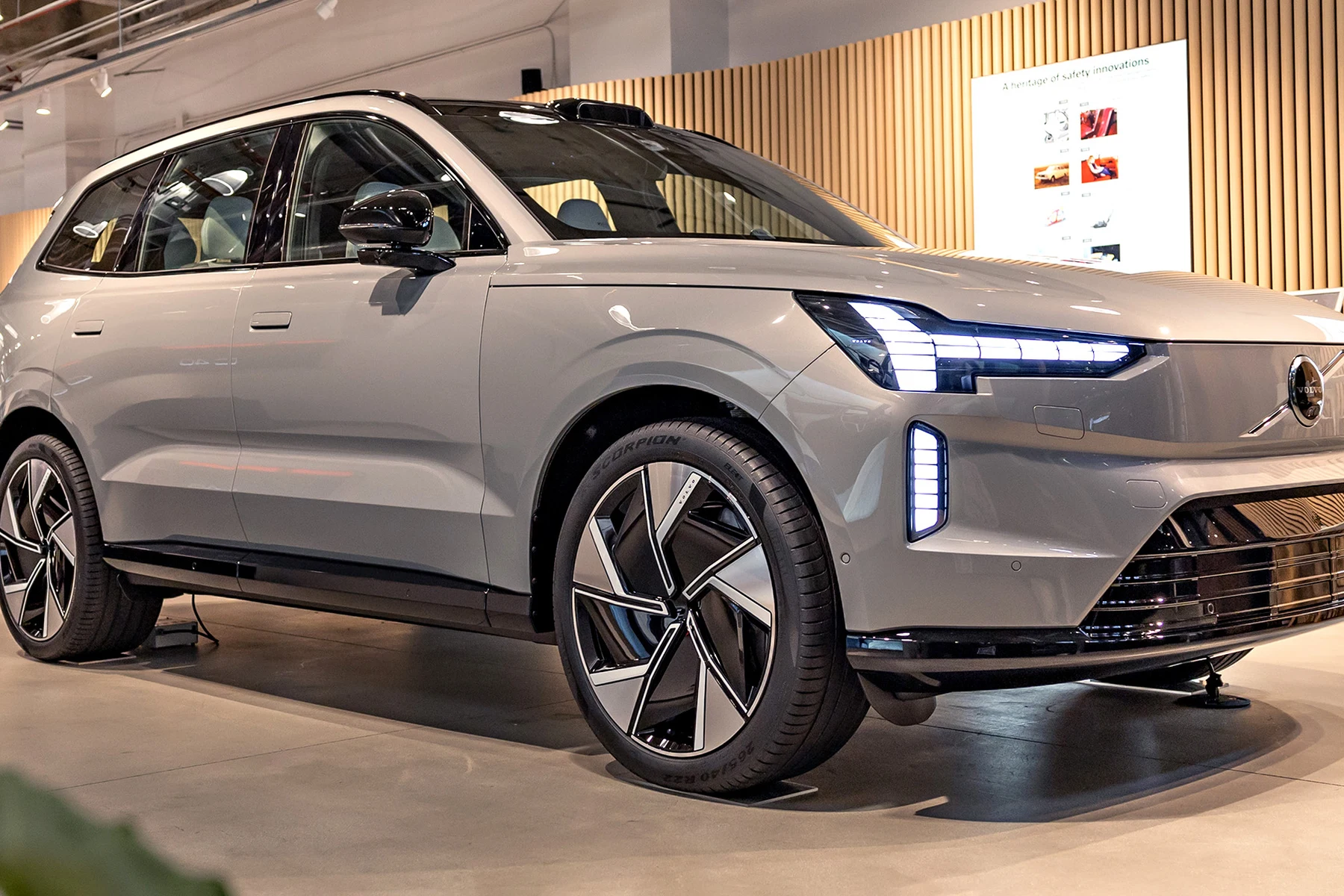
Other divergences flow from that: EX40 adds DC fast charging, potential one‑pedal driving and an EV battery warranty, while XC40 emphasizes traditional driving feel, lower entry pricing and higher tow ratings in some builds.
Similarities and common ground
Both share the same basic body, premium Scandinavian design and Google built‑in infotainment. Active safety and driver assistance menus are closely aligned, and everyday space for five plus roughly 20 cubic feet of cargo feels essentially the same.
Ride comfort, seat ergonomics, visibility and control layout are near twins, which is why the decision often reduces to charging access, trip patterns and price.
In the U.S., Volvo renamed the XC40 Recharge EV to EX40 (and C40 Recharge to EC40). Confirm the window sticker or build sheet so you’re comparing the correct EV (EX40) versus the gas mild‑hybrid (XC40) for the exact model year you’re shopping.
Volvo EX40 vs Volvo XC40 price, trims and feature‑adjusted value
In most U.S. inventories, Volvo XC40 starts in the low $40,000s before options. Volvo EX40 generally starts in the low–mid $50,000s before incentives, with dual‑motor or performance packages pushing higher.
Feature‑adjusted value hinges on incentives and energy costs. If you can claim federal/state EV benefits and charge at home at a competitive kWh rate, EX40’s total cost can rival or beat a similarly equipped XC40 over several years.
- EX40: Potential federal/state/utility EV incentives; lower routine maintenance; tires may wear quicker on heavier EVs.
- XC40: Lower entry MSRP; predictable fuel budgeting; more independent-shop familiarity may lower out‑of‑warranty costs.
- Insurance: EV premiums can differ—quote both VINs before deciding.
Volvo EX40 vs Volvo XC40 size, seating and practicality
Cabin space is effectively the same, with adult‑friendly front seats and usable second‑row legroom for two adults or three kids. Cargo behind the rear seats is roughly 20–21 cubic feet in both.
Volvo EX40 adds a small front trunk that’s handy for charging cables. Volvo XC40 may offer a higher published tow rating on certain builds for small trailers or lightweight toys—verify the exact rating on your VIN.
Volvo EX40 vs Volvo XC40 interior comfort and usability
Seat comfort, noise isolation at city speeds, and intuitive controls are nearly identical. Volvo’s physical‑plus‑touch approach keeps common actions simple, and visibility is strong for the class with large mirrors and helpful camera options.
EX40 cruises more quietly at low to medium speeds thanks to no engine noise, though road and tire noise stand out more on coarse pavement. XC40’s engine hum enters under heavy throttle but settles on the highway.
Volvo EX40 vs Volvo XC40 infotainment and tech
Both SUVs run Google built‑in with native Google Maps and Assistant, plus Apple CarPlay support. Over‑the‑air updates continue to improve app support and driver‑assist refinements, especially on the EV side.
Wireless charging pads, multiple USB‑C ports, and high‑quality audio options are available on both. If you rely on Android Auto mirroring, confirm current app support on your specific software version.
Turn‑by‑turn, battery‑aware Google Maps routing in the EX40 can plan DC fast‑charge stops dynamically based on state of charge, elevation and temperature—one of the most practical day‑to‑day EV advantages over generic phone mirroring.
Volvo EX40 vs Volvo XC40 safety and driver assistance
Volvo equips both with its City Safety suite, including front collision mitigation, lane‑keeping aids, blind‑spot monitoring and available adaptive cruise with lane centering. Structural safety is closely related as the bodies share a common architecture.
IIHS/NHTSA ratings vary by model year, headlights and options. Recent XC40s have earned top-tier ratings in many tests. The EX40, as the renamed EV variant, should track closely; confirm results for your exact build year and headlight configuration.
Match like‑for‑like: compare the same agency (IIHS or NHTSA), the same model year, and ensure identical headlights and ADAS packages. Software updates can alter driver‑assist behavior—ask the dealer to apply all updates before your test drive.
Volvo EX40 vs Volvo XC40 performance, ride and handling
Volvo EX40 delivers instant torque and strong acceleration, especially in dual‑motor form. One‑pedal driving and regenerative braking modes can make city driving smoother and reduce brake wear.
Volvo XC40 feels lighter on its feet with a familiar gas throttle response. It’s quick enough for confident merging, and the mild‑hybrid system helps smooth stop‑start operation in traffic.
Volvo EX40 vs Volvo XC40 efficiency, EV range and fuel economy
Depending on motor, wheels and conditions, Volvo EX40’s EPA range typically spans roughly the mid‑200s to around 290 miles. Cold weather, high speeds and 20‑inch wheels can reduce range—plan with a buffer for winter trips.
Volvo XC40 commonly returns mid‑20s mpg combined (EPA) in AWD form. Highway fuel economy benefits from gentler driving and all‑season tires; urban mileage varies with traffic and climate control use.
- Level 2 home: 11 kW onboard can add roughly 30–35 miles of range per hour when the battery is warm.
- DC fast: Expect 10–80% in about 30 minutes on a 150–200 kW charger when conditions are ideal.
- Road‑trip: Space fast‑charge stops every 120–180 miles for comfortable buffers.
Volvo EX40 vs Volvo XC40 reliability and known issues
Long‑term data for the EX40 nameplate is still maturing, though its mechanical simplicity (no oil changes, fewer moving parts) can aid reliability. Early software niggles seen on prior EV builds typically improve with updates.
The XC40’s mild‑hybrid four‑cylinder is a known quantity with routine maintenance intervals. For owner‑reported trends, see our deep dive on XC40 reliability and cross‑reference with current model‑year bulletins.
Volvo EX40 vs Volvo XC40 maintenance, insurance and total ownership cost
EX40 eliminates oil and many engine services, and regen can extend brake life. Tires may cost more and wear faster on heavier, high‑torque EVs, so budget accordingly. Home charging usually beats per‑mile gas cost if your electricity rate is favorable.
XC40 follows predictable maintenance intervals; independent shops can keep costs in check post‑warranty. For what to expect, review the U.S. Volvo XC40 maintenance schedule and compare with your mileage and climate.
EVs can see steeper early depreciation that flattens later; EV‑friendly states and incentives can offset this. Always compare finance/lease programs on the same day for both models—money factors and residuals swing total cost substantially.
Volvo EX40 vs Volvo XC40 towing, resale and daily practicality
If you tow occasionally, XC40 builds may offer higher U.S. tow ratings than EX40. For daily use, both excel at tight‑city maneuvering, easy parking and family errands.
Resale depends on local EV demand, incentives and fuel prices. In EV‑dense regions, EX40 values can stay stronger; in areas with limited charging, XC40 demand can hold up better.
Volvo EX40 Pros and Cons
- Instant torque and quick acceleration, especially dual‑motor
- Charge at home; fewer routine services
- Quiet, smooth urban driving with one‑pedal modes
- Eligible for EV incentives in some cases
- Higher upfront price versus comparable XC40
- Range varies with weather and wheel size
- DC fast charging adds planning for long trips
- Tires can be pricier and wear faster on heavier EVs
Volvo XC40 Pros and Cons
- Lower starting MSRP; broad dealer availability
- Fast, universal refueling and strong highway range per tank
- Familiar driving feel with solid performance
- Potentially higher tow ratings in some builds
- Higher routine maintenance than EVs
- Fuel costs vary with gas prices
- Less quiet at low speeds than the EV
- No EV incentives; emissions‑related inspections apply in some states
Which vehicle is better for different buyers?
Choose Volvo EX40 if your routine involves predictable commutes, off‑street parking for Level 2 charging, and you value silent speed with fewer service stops. Incentives and low home electricity rates can tip total cost in your favor over time.
Choose Volvo XC40 if you road‑trip often, share the car across multiple drivers without charging access, or want the lowest entry price with familiar fueling. Occasional towers may also prefer the XC40’s typical U.S. tow rating.
Alternatives worth considering
If you lean EV, cross‑shop the Tesla Model Y, Hyundai Ioniq 5, Kia EV6 and Audi Q4 e‑tron for range, charging speed and cargo. If you prefer gas, consider BMW X1, Mercedes‑Benz GLA/GLB and Audi Q3 for performance and tech mixes.
Also compare Volvo’s broader EV strategy to segment leaders; our analysis of Volvo electric range vs Tesla offers helpful context for long‑trip planning.
How to Decide Between Volvo EX40 and Volvo XC40
- Map your past 90 days of driving: average daily miles, longest weekly trip, and monthly road‑trip miles.
- Check charging access: Can you install Level 2 at home or charge reliably at work within your budget?
- Price the whole build: trim, wheels, options, taxes/fees, and applicable EV incentives for your ZIP code.
- Estimate energy costs: local $/kWh vs $/gallon, then model 12 months of commuting and two road trips.
- Test drive back‑to‑back: same route, same day. Compare noise, ride, one‑pedal feel, ADAS tuning and cargo usability.
- EX40: Try one‑pedal mode in traffic and a highway merge; note regen smoothness and lane centering.
- XC40: Evaluate stop‑start smoothness and passing power at 50–70 mph.
- Both: Compare road noise on rough pavement and seat comfort after 30 minutes.
Before you lock in a decision, verify your exact car’s specs and software level and run a simple total‑cost comparison that includes fuel/energy, tires and insurance for your ZIP.
💡 Evans Torres Tip: Ask the dealer to precondition an EX40 before your test drive and to route you past a DC fast charger. Checking actual charge speed, charge curve stability and cabin thermal comfort under load will tell you more than any brochure. Then take the same loop in an XC40 to compare real‑world noise and throttle response.
Frequently Asked Questions
This section answers the most common follow‑ups U.S. shoppers have when weighing Volvo EX40 against Volvo XC40—charging times, winter range, road‑trip ease, maintenance, towing and feature differences by trim. Use these to sanity‑check your assumptions before you configure or order.
Is the Volvo EX40 just a renamed XC40 Recharge?
Yes. Volvo rebranded the XC40 Recharge as the EX40 in recent model years. It remains the electric counterpart to the gas‑powered XC40, sharing the same body and cabin while switching to an EV powertrain, EV‑specific software features and DC fast‑charging capability.
How long does it take to charge a Volvo EX40?
On a public DC fast charger, expect roughly 10–80% in about 28–35 minutes when the battery is warm and the charger delivers peak power. On a 48‑amp Level 2 home charger (11 kW), overnight charging easily covers a typical workday round trip.
What real highway range should I expect from the EX40?
Plan conservatively around the mid‑200s miles on highway runs, then adjust for speed, temperature and wheel size. Cold weather and 20‑inch wheels can trim range; milder temps and moderate speeds can extend it. Use Google Maps’ EV routing to keep buffers comfortable.
Does the XC40 have a plug‑in hybrid option in the U.S.?
As of recent U.S. model years, the XC40 is commonly sold with a B5 mild‑hybrid gas engine rather than a plug‑in hybrid. Availability can change by year and region, so confirm current U.S. powertrain offerings with your dealer’s order guide.
Which tows more: Volvo EX40 or Volvo XC40?
U.S. ratings vary by model year and equipment, but the gas XC40 often carries a higher tow rating than the EX40. Always check the owner’s manual and the VIN‑specific rating on your exact build to ensure compliance with local regulations and warranty terms.
What maintenance differences should I expect?
EX40 skips oil and many engine services, and regenerative braking can prolong pad life. Tires may cost more on the heavier EV. XC40 follows familiar intervals for oil, filters and fluids. For typical service timing, see our U.S. XC40 maintenance schedule.
Are safety ratings the same for EX40 and XC40?
They’re closely related, but ratings can differ by year, headlights and test protocols. Recent XC40s have scored well in IIHS and NHTSA testing. The EX40, as the EV twin, should track similarly—verify the exact test year and configuration you intend to buy.
Is the XC40 more reliable than the EX40?
The XC40’s gas powertrain has a longer U.S. track record, while the EX40 benefits from EV simplicity but relies heavily on software. Review current data and owner reports for each year; our guide on XC40 reliability provides model‑specific context.
Final Verdict
Pick the Volvo EX40 if you can reliably charge at home or work and want quick, quiet thrust with fewer routine services and EV‑native navigation. In markets with solid incentives and fair electricity rates, its lifetime cost often stacks up favorably.
Opt for the Volvo XC40 if you prioritize the lowest entry price, spontaneous long trips with 5‑minute refueling, or you need the typical higher U.S. tow rating. It delivers the same Volvo polish and practicality with simpler road‑trip logistics in regions where fast chargers are sparse.
My Top Picks at a Glance
These three XC40 EX40 accessories are practical options to compare after choosing the right Volvo configuration.
 Best Overall
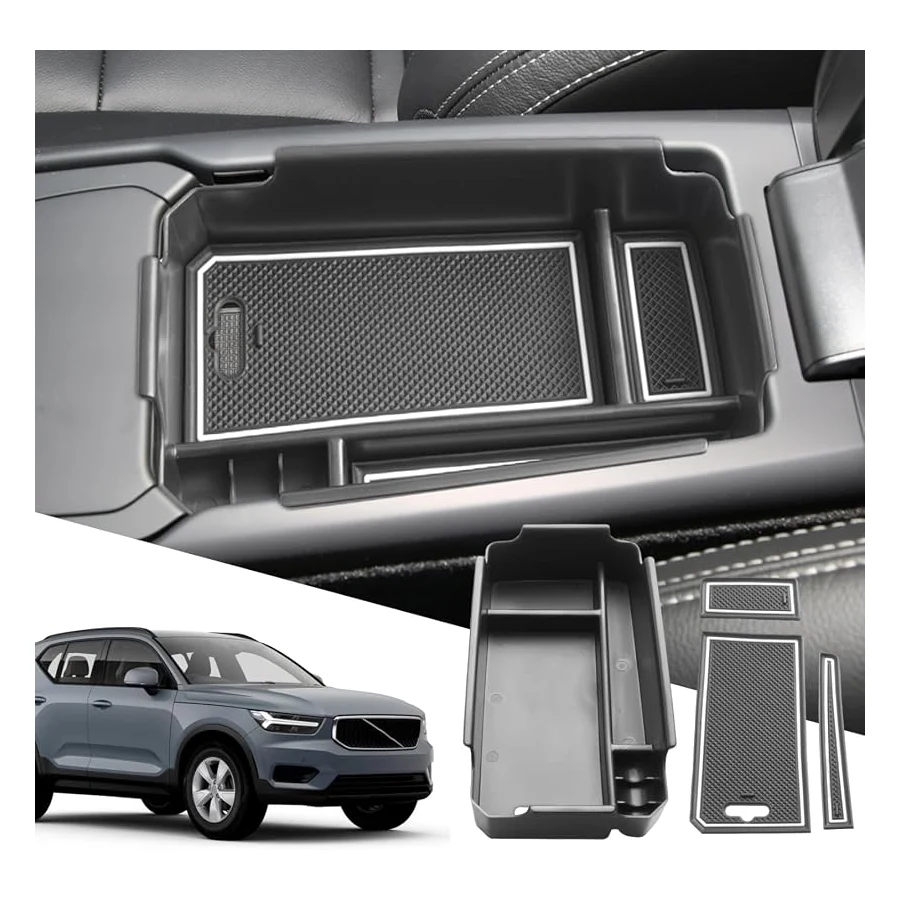
SXCY XC40 Center Console Organizer Tray for Volvo 2018-2026, custom-fit with white non-slip liners
A vehicle-fit accessory to compare for compatibility, daily usefulness, and value.
 Best Value
XC40 Center Console Armrest Organizer Insert for Volvo XC40 2019-2026, adds tiered storage, easy installation
A vehicle-fit accessory to compare for compatibility, daily usefulness, and value.
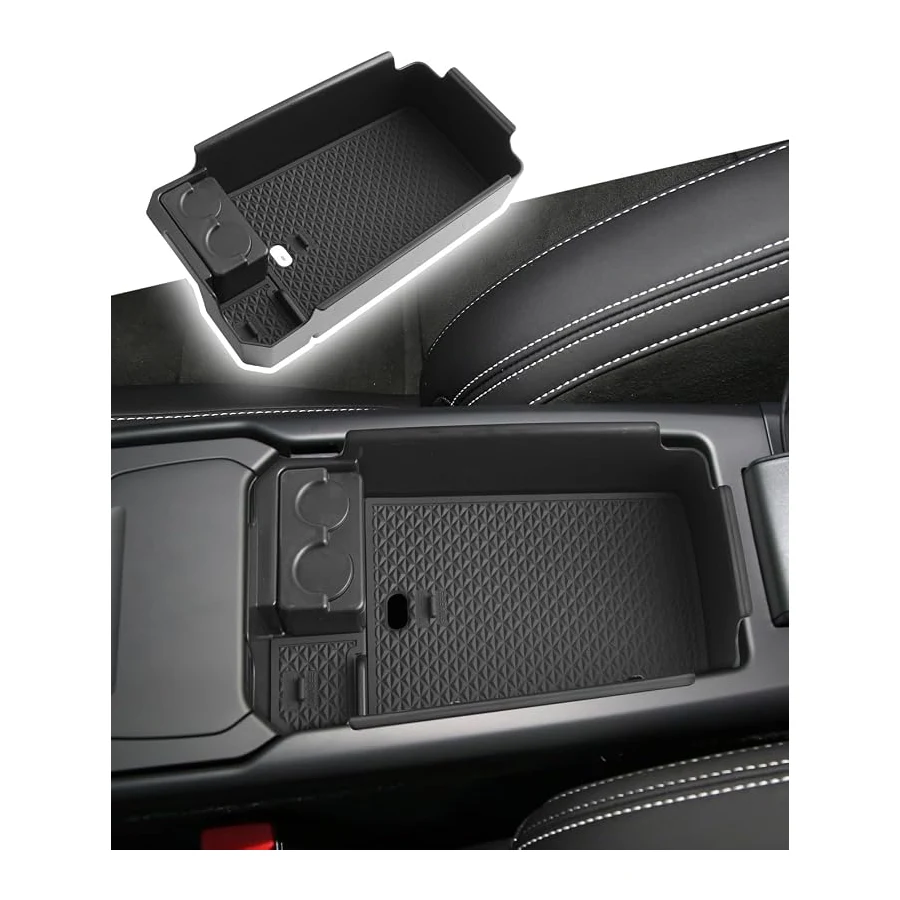 Best Premium Option
CDEFG Volvo XC40 Center Console Organizer 2018-2026, custom-fit armrest tray with coin box and anti-slip liners
A vehicle-fit accessory to compare for compatibility, daily usefulness, and value.
Sources and Methodology
This U.S. comparison focuses on MY2025–2026 Volvo EX40 (EV, renamed from XC40 Recharge) and Volvo XC40 (gas mild‑hybrid). We matched body style and class, then compared official Volvo specifications, EPA efficiency/range data, and IIHS/NHTSA safety information where model‑year protocols align. Charging times and performance reflect manufacturer claims and aggregated instrumented tests where available. Exact figures vary by wheel/tire, options and software; verify your VIN build sheet and current ratings. Data verified August 2026.
Author

Author

Evans Torres
I’m Evans Torres, an automotive engineer who loves Volvo cars. I graduated in Automotive Engineering from USC. I have worked in the car industry for years and now share my knowledge on The Volvo Life. I started this blog to connect with other Volvo fans. I offer tips, news, and advice to help you care for your car. My goal is to help you keep your Volvo in great shape and find all the best things about it. Join me as we discover everything Volvo has to offer!