


Volvo crash test vs other cars comes down to consistency versus configuration. In recent IIHS and Euro NCAP testing, modern Volvos frequently land top-tier ratings, but several rivals match them when optioned correctly. Volvo typically makes core crash-avoidance features standard and designs for strong occupant protection. Rivals like Lexus, Audi, BMW, Mercedes and Tesla can equal results, yet advanced systems may require packages. Choose Volvo for high baseline safety; pick a rival if you’ll curate options or prioritize other attributes.
If you’re cross-shopping safety, you’re really comparing how well vehicles avoid, protect, and respond to crashes under independent protocols. This guide translates IIHS and Euro NCAP results into plain-English buyer value for the U.S. market.
We focus on recent model years where protocols were tightened, because a 2026 Top Safety Pick is not earned the same way a 2019 award was. For broader brand context, our discussion complements TheVolvoLife’s analysis in how Volvo compares to other cars.
- Main difference: Volvo standardizes many crash-avoidance and structural protections; rivals often match scores but rely more on options.
- Best for A: Buyers wanting top safety without chasing packages.
- Best for B: Shoppers who’ll spec exact features and may prize performance or UI differences.
- Cost/value: Volvo’s baseline can lower option spend; rivals may add subscription or package costs.
- Important caveat: Ratings are model- and year-specific; verify exact equipment and test protocol.
You want strong crash protection, child-seat usability and pedestrian AEB without pricey options. Volvo’s baseline coverage appeals.
You’ll configure exact packages on BMW, Mercedes, Audi, Lexus or Tesla to mirror Volvo’s ratings while adding brand-specific features.
You need verification steps to confirm that safety options match the tested configuration, not just the model name.
What “Volvo Crash Test vs Other Cars” Actually Compares
At its core, this comparison covers crash avoidance, crashworthiness, occupant/child/pedestrian protection and post-crash response. It’s not about lap times or luxury—safety agencies measure how vehicles prevent and mitigate injuries.
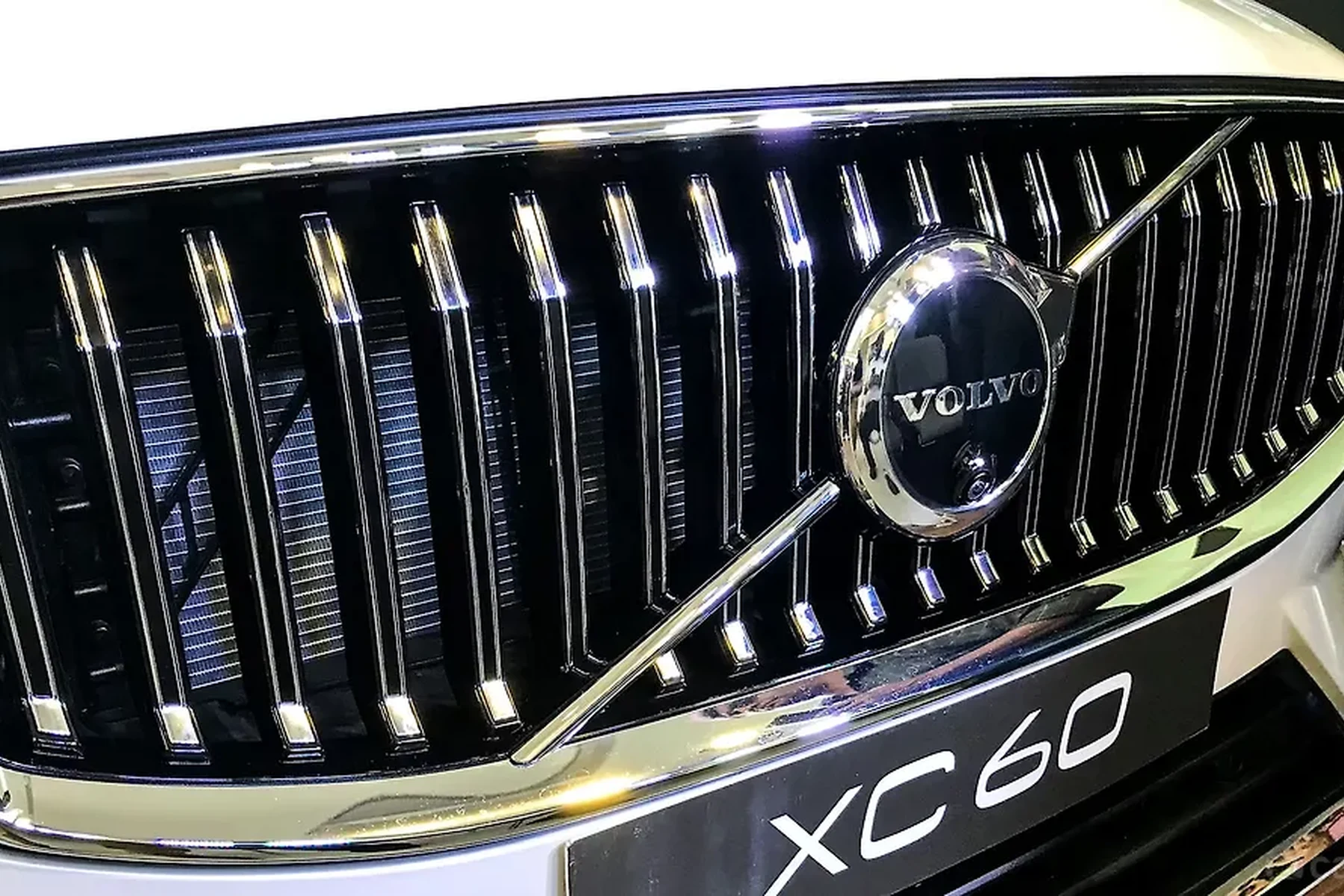
Crash avoidance includes automatic emergency braking, pedestrian/cyclist detection and lane support. Crashworthiness looks at structure, restraints and airbags in multiple crash modes. Occupant and pedestrian protection add child-seat access and vulnerable road user tests.
Post-crash response covers automatic braking after impact, emergency calling and rescue-friendly design. When we say “other cars,” we mean mainstream premium rivals in Volvo’s classes, recognizing that results vary by model, trim and year.
Compare like-for-like. Match body style, size class and model year under the same agency protocol (e.g., IIHS updated tests vs earlier versions). Headlights and specific safety packages can determine awards.
Systems and Features at a Glance (Volvo vs Class Rivals)
This section highlights typical standard-versus-optional safety content for recent U.S.-market Volvos and similarly sized premium rivals. It’s a quick way to see why two cars with similar ratings can differ in how they get there.
Because equipment changes by trim and mid-year updates, use this as a directional guide, then verify the exact vehicle’s build sheet and window sticker before you buy.
| Category | Volvo (recent US models) | Premium Rivals (BMW/Audi/Mercedes/Lexus/Tesla) |
|---|---|---|
| Front AEB with pedestrian detection | Standard on most models | Standard or widely available; some brands standardize, others vary |
| Cyclist detection (day/night) | Commonly included; model/year dependent | Available; performance and availability vary by brand/year |
| Lane keeping + lane departure prevention | Standard core assist; enhanced highway assist on many trims | Standard basic assist; enhanced systems often in option packages |
| Blind-spot with steering assist | Often standard | Standard or packaged depending on brand/trim |
| Rear AEB + cross-traffic auto-brake | Increasingly standard; confirm per model | Varies widely; often part of driver-assist packages |
| Center/far-side airbag | Available on select models; verify by year | Available on many rivals; adoption varies |
| Structural approach | Boron/ultra-high-strength steel, SIPS, WHIPS | Comparable multi-load-path structures; brand-specific names |
| Driver monitoring | Attention alerts common; camera-based on select models | Rapidly expanding; camera-based systems on many brands |
| Post-crash auto braking / eCall | Common; Volvo On Call/connected safety varies by market | Common; brand telematics implement similar functions |
| Headlight performance | LED standard; curve-adaptive by trim; impacts IIHS awards | LED common; curve-adaptive/package-sensitive; impacts awards |
| Child-seat (LATCH) usability | Generally favorable; model-dependent | Model-dependent across brands |
Takeaway: Volvos tend to bundle a robust baseline, while rivals can match or exceed features when configured. Headlights and rear AEB often swing awards either way.
Volvo Safety Systems Explained (Standard vs Optional)
Modern Volvo models emphasize standard crash avoidance plus structural protections like SIPS (side-impact protection) and WHIPS (whiplash protection). Many models include AEB with pedestrian detection, lane keeping, blind-spot steering assist and connected safety alerts as standard.
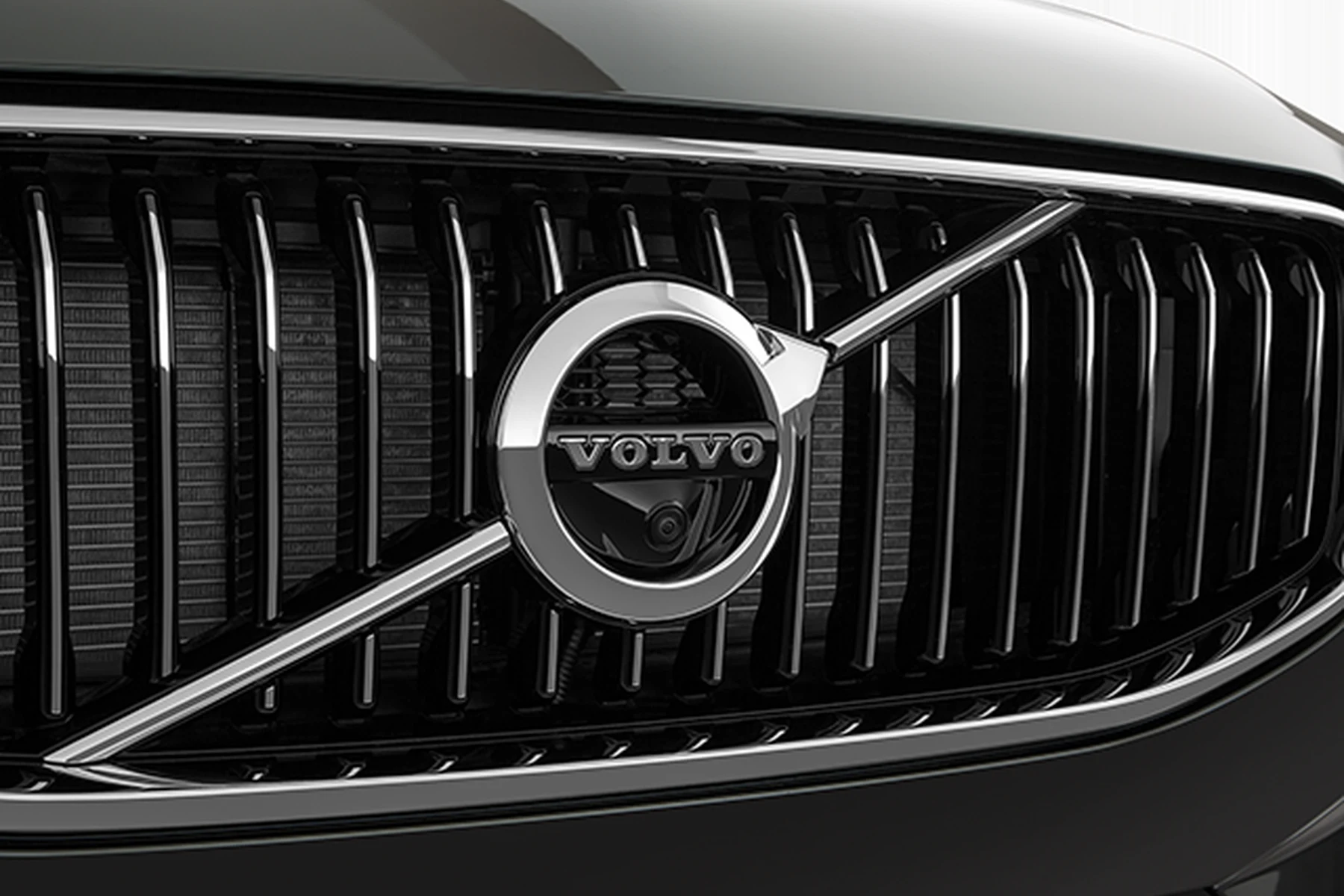
Enhanced highway assist (often called Pilot Assist/Driver Assistance) and features like rear AEB, 360° cameras and cross-traffic auto-brake vary by trim and package. Select models add driver-monitoring cameras, and newer EVs may integrate additional sensors; verify per model year and market.
Confirm the exact Volvo model year, trim and packages. AEB may be standard, but enhanced highway assist, rear AEB or camera-based driver monitoring can depend on options or mid-cycle updates.
Volvo Pros and Cons
- Strong baseline of crash-avoidance tech across the lineup
- Structure and restraints engineered for high crashworthiness
- Clear safety-first design philosophy and UI
- Frequent top-tier results under current protocols
- Some advanced assists still tied to trims or packages
- Headlight variations can affect IIHS awards
- Sensor calibration costs after repairs can be high
Competitor Safety Systems Explained (Standard vs Optional)
Premium rivals field excellent systems, but packaging differs. Lexus Safety System+ typically standardizes robust AEB and lane support. BMW, Mercedes and Audi often include basics as standard and reserve enhanced highway assist, evasive steering or expanded automation for paid packages.
Tesla includes strong AEB and lane support; optional supervised driver-assist adds capability but does not change passive crash structure. Across brands, headlights and rear AEB availability can be the tie-breakers for awards.
Two rivals can both earn top awards, yet one needed a premium lighting package or rear AEB to qualify. Always match the tested configuration to the actual car you’re buying.
Class Rivals Pros and Cons
- Can equal or surpass Volvo in specific tests when optioned
- Broader choice of interfaces and driving dynamics
- Rapid innovation in driver monitoring and hands-free features
- Advanced assists often cost extra or require bundles
- Award eligibility may hinge on headlights or specific packages
- Subscription or data-plan add-ons in some brands
Independent Evidence: IIHS, Euro NCAP and NHTSA Results
Under recent (2023–2026) IIHS protocols, vehicles face tougher side impacts, revised moderate overlap front tests emphasizing rear-occupant protection, and expanded pedestrian AEB scenarios including nighttime conditions. Many Volvos perform strongly, and so do class leaders from Lexus, Tesla, Mercedes, Audi and BMW.
Euro NCAP similarly raises the bar with vulnerable road user and assisted-driving assessments. It’s common to see 5-star Euro NCAP ratings on new Volvos and key rivals; the real difference is often sub-scores and option dependence. NHTSA’s 5-Star program adds U.S.-specific crash and rollover metrics, complementing IIHS.
When you see similar top awards across brands, scrutinize headlights, rear-occupant injury metrics and pedestrian AEB performance to understand practical differences. Agency pages detail criteria and award cutoffs for each model year.
Ask the dealer to: (1) Show the window sticker safety line items, (2) Demonstrate AEB and blind-spot alerts on a closed course, (3) Confirm headlights match tested units, (4) Print the build sheet, (5) Explain calibration requirements after windshield or bumper work.
Real-World Strengths, Limits and False Assumptions
ADAS performance depends on sensors and conditions. Heavy rain, glare, dirty cameras or occluded radar can degrade AEB and lane support across all brands, including Volvo.
Crash ratings compare within size and weight classes, so a 5-star compact and a 5-star large SUV are not directly interchangeable in a multi-vehicle crash. Focus your comparison on vehicles in the same class and year.
Older vehicles, even safe ones, cannot match the latest protocols. For a deeper look at generational gaps, see our analysis of old Volvo vs new car crash outcomes, which explains why modern restraint and AEB updates matter.
No driver-assist system makes a car crash-proof. Keep sensors clean, use proper tires, maintain brakes and follow manuals. Treat lane centering as assistive, not autonomous.
Costs, Subscriptions and Repair/Calibration Implications
Advanced headlights, radars, cameras and ultrasonic or lidar sensors may require calibration after windshield, bumper or alignment work. This can add time and cost to even minor repairs on any brand.
Some competitors place enhanced highway assist behind subscriptions or map-data plans. Insurance carriers may discount for ADAS, but repair costs can offset savings; shop coverage with calibration in mind and confirm OEM vs aftermarket glass policies.
Before purchase, ask your insurer and service shop about ADAS calibration pricing, OEM glass requirements and loaner availability. Budget for tires that preserve braking and wet grip—critical for all safety systems.
Best Choice for Families, Older Drivers, Commuters and Tech-Focused Buyers
If you want a strong safety baseline without chasing options, Volvo typically reduces decision friction. Families and safety-first shoppers benefit from standard AEB, structural protections and clear UI.
If you enjoy tailoring a build, rivals can match Volvo’s ratings with the right packages while adding brand-specific features or dynamics. Commuters should compare driver-monitoring approaches, highway assist behavior and headlight performance on familiar roads.
How to Decide Between Volvo and Other Cars for Crash Safety
Use this five-step process to make an apples-to-apples safety choice. It keeps you focused on evidence and the specific build you’ll actually drive.
- Match the class and year. Compare, for example, a 2025 Volvo compact SUV to 2025 rivals in the same size.
- Check IIHS awards and test details, especially updated side and moderate overlap results and headlights.
- Review Euro NCAP (if applicable) for pedestrian/cyclist AEB and assisted-driving assessments.
- Confirm exact options: headlights, rear AEB, driver monitoring, and airbag count/positions.
- Test at night and in rain to feel headlight reach and assist behavior on your roads.
How to Verify the Exact Safety Equipment on a Specific Vehicle
Crash-test headlines apply to tested configurations. These five steps ensure the VIN you buy truly matches the safety setup behind those scores.
- Get the window sticker and factory build sheet; confirm headlights, AEB, rear AEB and driver-assist packages.
- Scan the owner’s manual and quick-start guide for system names and limitations by trim/year.
- Check sensor count and locations (grille radar, windshield camera, rear sensors) visually with a salesperson.
- Run the VIN through the brand’s equipment decoder or dealer DMS printout for option codes.
- Cross-check against IIHS award notes that specify “when equipped with…” caveats.
Bring a flashlight to read headlight lens markings, photograph the window sticker, and ask the dealer to show the calibration spec sheet for windshield or bumper service. Save everything to your records.
As you narrow picks, remember that award criteria evolve. A car that led in 2021 may trail under 2025 protocols without structural or restraint updates.
💡 Evans Torres Tip: Before signing, pull up the IIHS award page for your exact year and confirm any “only with specific headlights” note against the car’s part number. If the car relies on a package for rear AEB, ask the dealer to demonstrate it in a controlled setting and document that feature on your buyer’s order.
Frequently Asked Questions
This FAQ clears up common points that affect crash-test comparisons: how agencies differ, what options change awards, and how real-world conditions influence ADAS. Each answer is evidence-minded and geared toward the recent 2023–2026 protocol landscape.
Are Volvos safer than BMW, Audi, Mercedes, Lexus or Tesla?
Often, Volvos achieve top-tier results—but several rivals do as well. The deciding factors are class, model year and whether options like premium headlights or rear AEB are fitted. If you value a high safety baseline without packages, Volvo usually appeals. If you’ll configure options, many rivals can match ratings.
Which agency matters most: IIHS, Euro NCAP or NHTSA?
In the U.S., start with IIHS for detailed crashworthiness and headlight performance, and add NHTSA’s 5-Star crash/rollover context. Euro NCAP adds valuable vulnerable road user and assisted-driving assessments if you’re considering EU-spec models. Use multiple sources for a fuller picture.
Do crash-test stars and awards compare across sizes?
No. Ratings compare vehicles within similar classes. A compact 5-star and a large SUV 5-star are not interchangeable in multi-vehicle collisions. Keep comparisons within the same size, mass and model year for decisions that reflect your real risk profile.
Does “Autopilot” or hands-free driving change crash-test results?
Crashworthiness ratings measure passive structure and restraints; driver-assist branding does not change those. However, pedestrian AEB performance and driver monitoring can influence specific test outcomes and awards. Treat all hands-free systems as driver-supervised.
Are headlights really that important for IIHS awards?
Yes. IIHS ties awards to headlight performance because nighttime crashes are common. A model may need specific curve-adaptive or higher-output headlights to qualify. Verify the exact headlight part or package on the vehicle you’re buying.
How do child-seat and pedestrian protection differ among brands?
Most modern premium models score well, but LATCH accessibility, belt geometry and pedestrian AEB vary by vehicle. Volvo typically emphasizes these areas, and many rivals match. Read agency notes for child-seat anchor access and pedestrian AEB night performance.
Are older Volvos as safe as new cars?
Older Volvos were safety leaders in their time, but protocols and tech have advanced. Modern vehicles benefit from improved structures, airbags and AEB. For a deeper perspective on generational change, see our evidence-based piece exploring old versus new crash outcomes.
Where can I find a brand-level safety summary?
Start with IIHS award lists and model pages, then compare across your shortlist. For a brand-wide perspective on Volvo against the field, read TheVolvoLife’s coverage in are Volvo cars still the safest for context on philosophy and results.
Final Verdict
Volvo’s value in crash tests is consistency: a strong baseline of crash-avoidance tech, thoughtful restraint design and frequent top-tier results. If you want high safety without option hunting, Volvo is a confident pick. If you’ll tailor headlights, rear AEB and highway-assist packages, class rivals can absolutely match the badges and sometimes edge specific sub-scores.
Make a like-for-like comparison within class and year, verify the exact equipment, and test nighttime visibility where you drive. That approach turns headline awards into protection you can count on.
My Top Picks at a Glance
These three Volvo accessories are practical options to compare after choosing the right Volvo configuration.
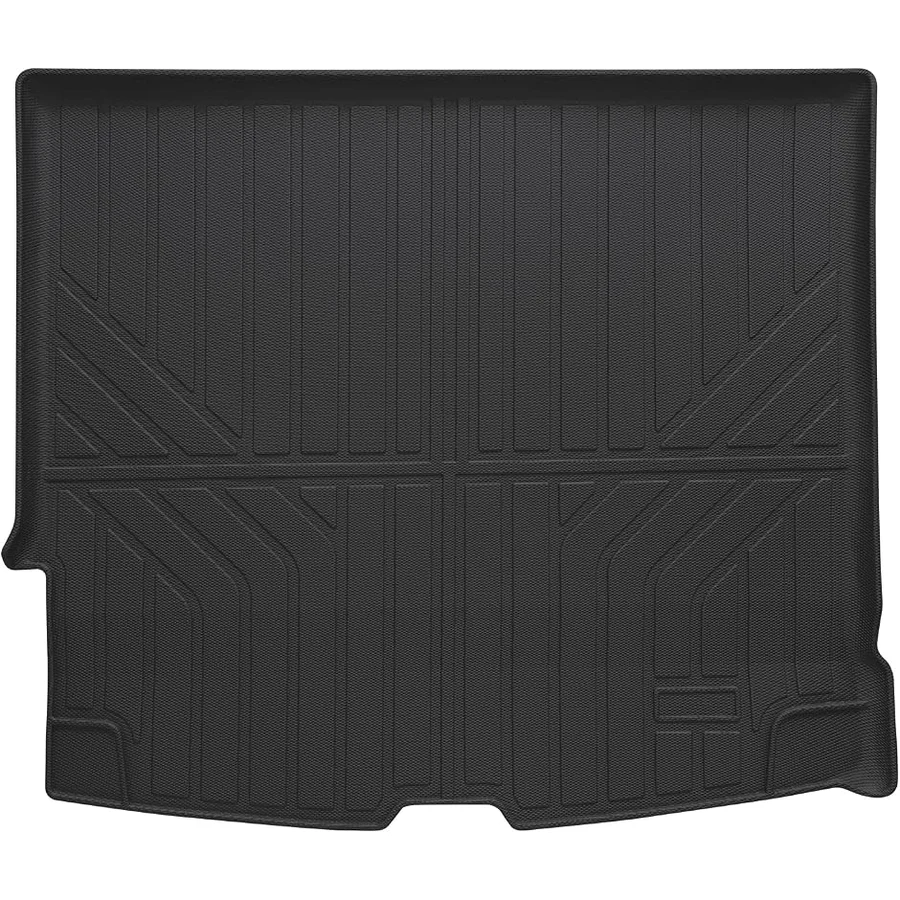 Best Overall
All-weather TPE cargo liner for Volvo XC60 2018-2026, waterproof, custom fit, anti-slip, easy-clean
A vehicle-fit accessory to compare for compatibility, daily usefulness, and value.
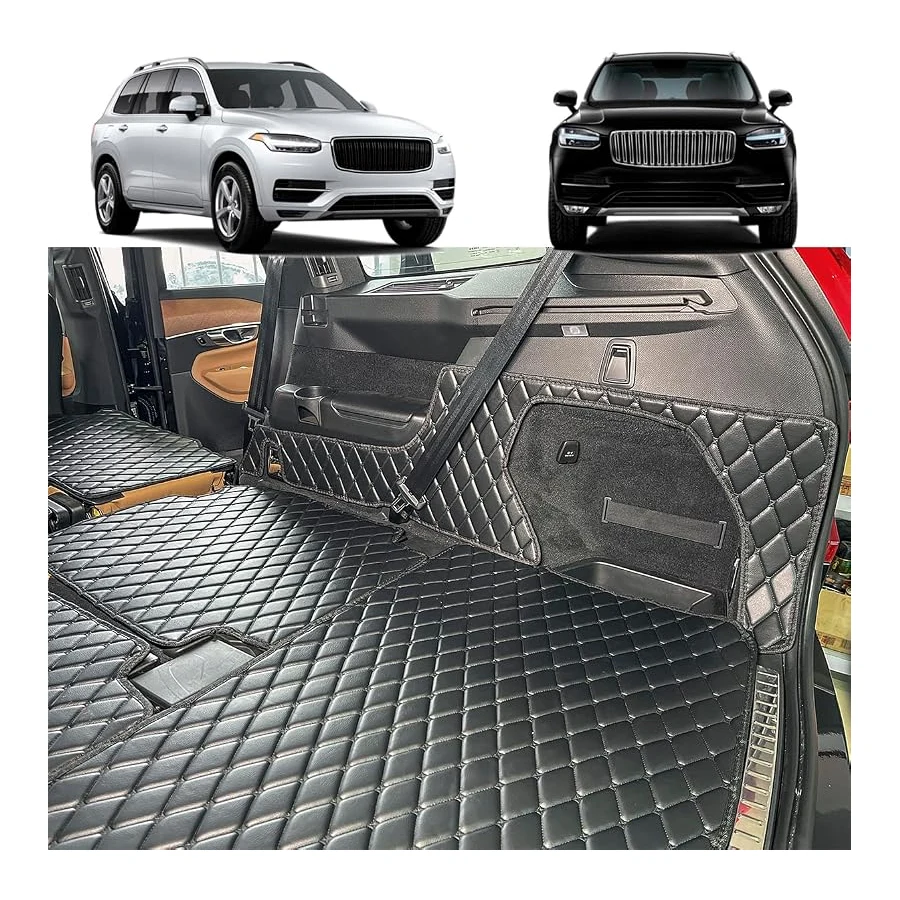 Best Value
Cargo mat for Volvo XC90 2016-2025 with rear side panel liners, custom fit, durable, easy-clean
A vehicle-fit accessory to compare for compatibility, daily usefulness, and value.
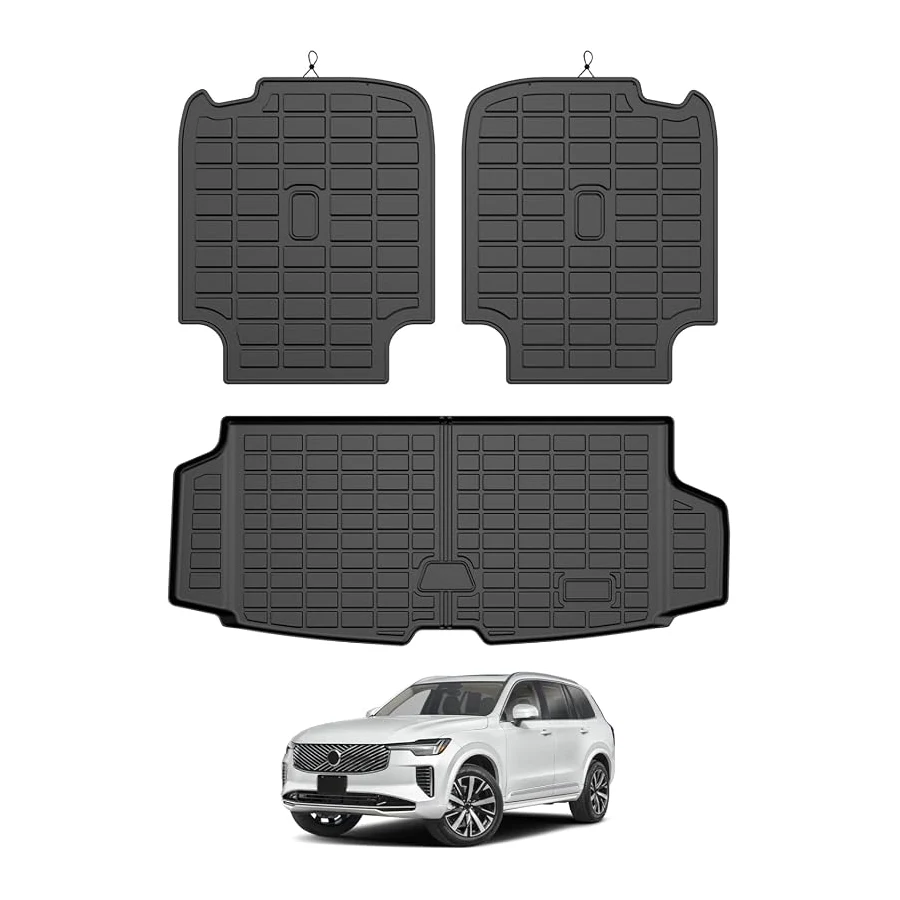 Best Premium Option
Mixsuper cargo liner and backrest protector for Volvo XC90 2016-2026, all-weather TPE, custom fit, easy-clean
A vehicle-fit accessory to compare for compatibility, daily usefulness, and value.
Sources and Methodology
We focused on U.S.-market models from 2023–2026, when IIHS and Euro NCAP protocols tightened. Because ratings and equipment vary by model, trim and mid-cycle update, we avoided unverified model-specific claims and emphasized verification steps. Independent data came from safety agencies; manufacturer documentation informed feature availability. Verified July 2026.
Author

Author

Evans Torres
I’m Evans Torres, an automotive engineer who loves Volvo cars. I graduated in Automotive Engineering from USC. I have worked in the car industry for years and now share my knowledge on The Volvo Life. I started this blog to connect with other Volvo fans. I offer tips, news, and advice to help you care for your car. My goal is to help you keep your Volvo in great shape and find all the best things about it. Join me as we discover everything Volvo has to offer!