

The 1997 Volvo V90 features an interference engine. This means that if the timing belt fails, the engine’s pistons and valves can collide, potentially causing significant damage.
The 1997 Volvo V90 is a classic estate car known for its safety and reliability. However, many prospective and current owners often wonder about the specifics of its engine, particularly whether it has an interference engine. Understanding this aspect is crucial for maintenance and potential repairs. In this guide, we will explore what an interference engine is, how it affects the Volvo V90, and what owners should be aware of.
- The 1997 Volvo V90 has an interference engine.
- Engine failure can lead to costly repairs if the timing belt breaks.
- Regular maintenance of the timing belt is essential to avoid engine damage.
- Understanding your engine type helps in making informed maintenance decisions.
- Consult the owner’s manual for specific maintenance schedules.
The Engine Type of the 1997 Volvo V90
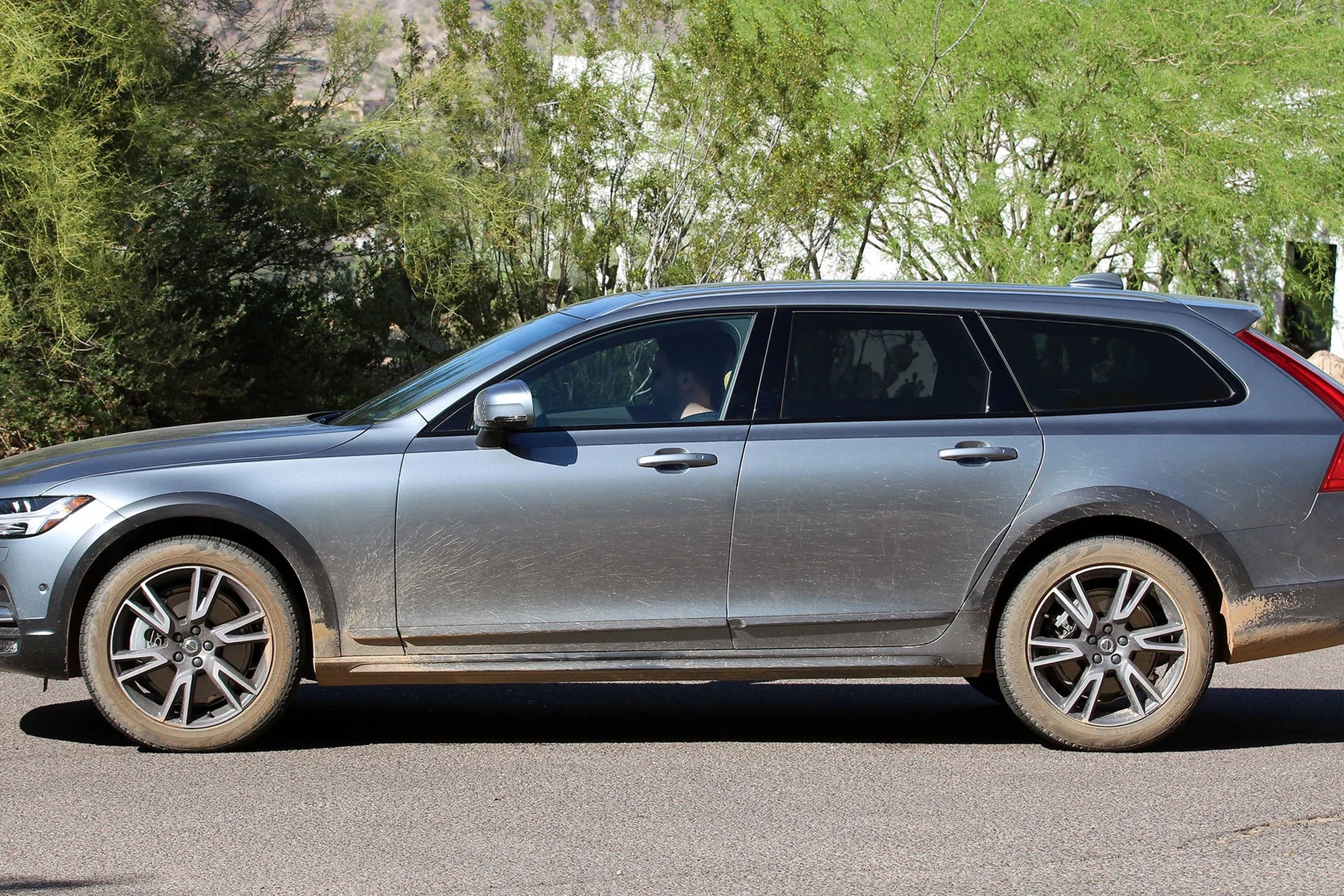
The 1997 Volvo V90 is equipped with a 2.5L inline-5 engine, which is classified as an interference engine. In an interference engine, the design allows the pistons to occupy the same space as the valves at different times. This means that if the timing belt fails or slips, the valves can remain open when the pistons are traveling upward, leading to a collision.
This is a significant concern for owners, as the damage can be extensive and costly. In contrast, non-interference engines have a design that prevents such collisions, making them generally safer in the event of a timing belt failure.
What Is an Interference Engine?
An interference engine is characterized by a specific relationship between the pistons and valves. In simple terms, when the timing belt or chain that controls the opening and closing of the valves breaks, the pistons can strike the valves, causing severe engine damage.
The implications of having an interference engine are:
- Higher Risk of Damage: If the timing belt fails, you could face significant repair costs.
- Maintenance Importance: Regularly replacing the timing belt is crucial for preventing catastrophic engine failure.
Signs of Timing Belt Wear
Being aware of the signs of timing belt wear can save you from potential engine damage. Look out for:
- Unusual noises from the engine, such as ticking or rattling.
- Difficulty starting the engine.
- Engine misfires or stalling.
If you notice any of these signs, it’s wise to have your vehicle inspected promptly.
Recommended Maintenance Schedule
To minimize the risk of timing belt failure, adhere to the following maintenance schedule:
- Timing Belt Replacement: Typically recommended every 60,000 to 100,000 miles. Check your owner’s manual for specific recommendations for your V90.
- Regular Inspections: Have the timing belt and related components inspected during routine maintenance.
By following these guidelines, you can reduce the chances of unexpected engine problems.
Potential Costs of Engine Damage
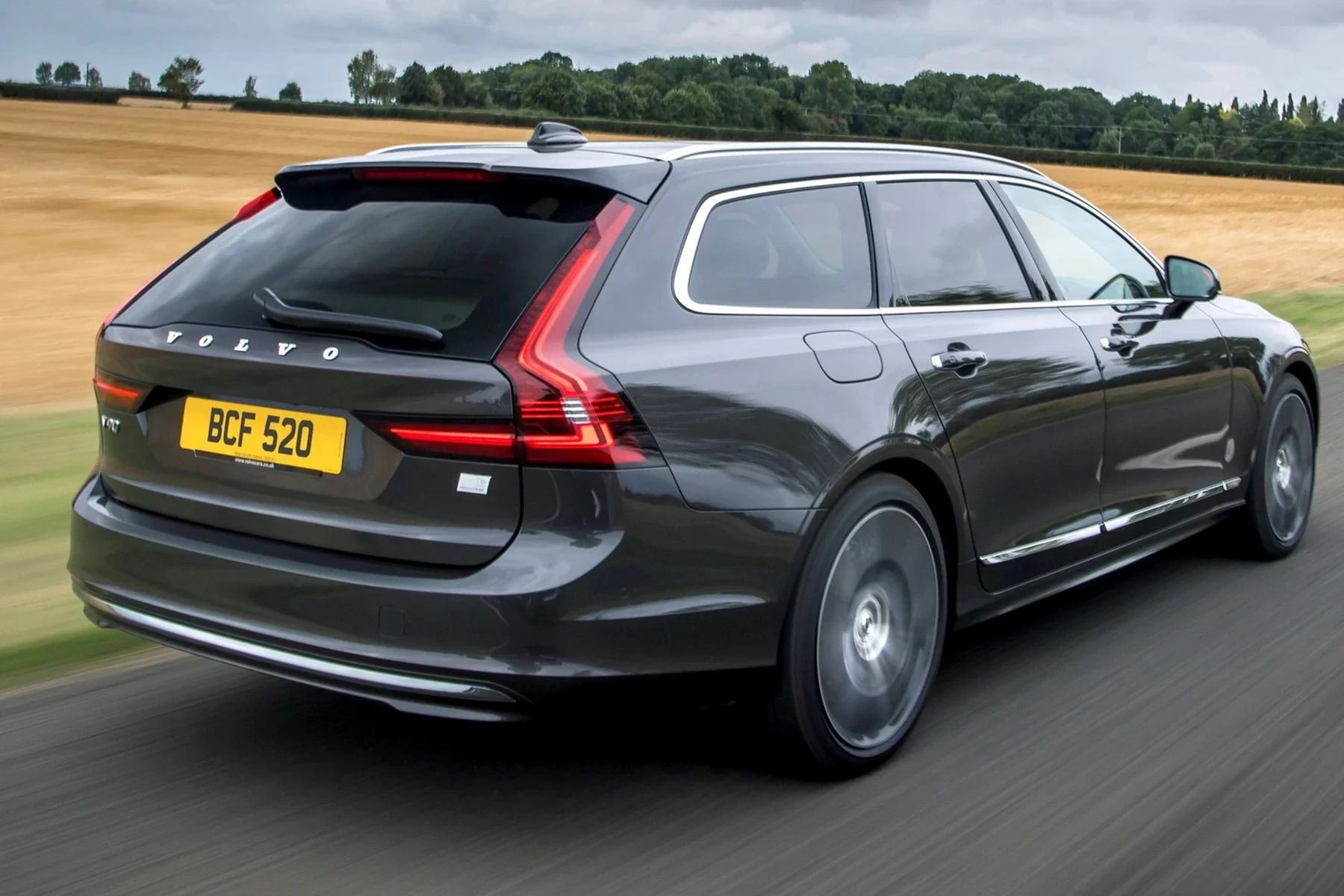
If the timing belt fails and causes damage to the engine, the repair costs can be substantial. The typical costs associated with repairing an interference engine like the one in the 1997 Volvo V90 may include:
- Timing Belt Replacement: $500 – $1,000, depending on labor costs in your area.
- Engine Repair Costs: If the engine is damaged, repair costs can range from $1,500 to over $4,000, depending on the extent of the damage.
These costs highlight the importance of timely maintenance and inspections.
How to Prevent Timing Belt Failure
Preventative measures are key in maintaining your 1997 Volvo V90 and ensuring its longevity. Here are some effective strategies:
- Regular Maintenance Checks: Schedule routine inspections with a trusted mechanic to monitor the condition of your timing belt.
- Follow Manufacturer Guidelines: Always adhere to the manufacturer’s recommended service intervals for belt replacement.
- Keep an Eye on Engine Performance: Be proactive in addressing any unusual noises or performance issues.
By taking these steps, you can greatly reduce the risk of engine damage and prolong the life of your vehicle.
Understanding Engine Specifications
Understanding the specifications of the Volvo V90’s engine can aid in proper maintenance and repair decisions. Key specifications include:
- Engine Type: 2.5L Inline-5
- Horsepower: Approximately 168 hp
- Torque: About 162 lb-ft
- Fuel Type: Regular unleaded gasoline
These specifications contribute to the vehicle’s performance and should be considered during maintenance and repairs.
Frequently Asked Questions
What Happens If the Timing Belt Breaks in an Interference Engine?
If the timing belt breaks in an interference engine, the pistons and valves can collide, leading to significant engine damage. This can require extensive repairs or even complete engine replacement.
How Often Should I Replace the Timing Belt in My 1997 Volvo V90?
It’s generally recommended to replace the timing belt every 60,000 to 100,000 miles. Check your owner’s manual for specific recommendations.
Can I Drive My 1997 Volvo V90 with a Worn Timing Belt?
Driving with a worn timing belt is risky and should be avoided. If the belt fails while driving, it can cause severe engine damage.
Where Can I Find a Reliable Mechanic for My Volvo V90?
Look for certified Volvo dealerships or independent mechanics with a good reputation for working on Volvos. Online reviews and recommendations from other Volvo owners can also help.
How Can I Tell If My Timing Belt Needs Replacement?
Signs that your timing belt may need replacement include unusual engine noises, difficulty starting the engine, or visible wear on the belt itself.
Final Verdict
The 1997 Volvo V90 does indeed feature an interference engine. This means that regular maintenance, particularly of the timing belt, is essential to avoid potential engine damage. By staying proactive with inspection and replacement schedules, you can enjoy the reliability and safety that the Volvo V90 is known for. Make sure to consult your owner’s manual and follow recommended maintenance practices to keep your vehicle in optimal condition.
💡 Evans Torres Tip: Regularly check your timing belt for signs of wear and replace it as recommended to prevent costly engine damage.
Author

Author

Evans Torres
I’m Evans Torres, an automotive engineer who loves Volvo cars. I graduated in Automotive Engineering from USC. I have worked in the car industry for years and now share my knowledge on The Volvo Life. I started this blog to connect with other Volvo fans. I offer tips, news, and advice to help you care for your car. My goal is to help you keep your Volvo in great shape and find all the best things about it. Join me as we discover everything Volvo has to offer!