


Subaru EX30 engine parts include essential components such as the battery, charging system, and range capabilities. Understanding these parts can enhance your EV experience and maintenance.
Electric vehicles (EVs) like the Subaru EX30 offer a modern driving experience powered by advanced technology. Understanding the engine parts, particularly the battery, charging system, and range, is essential for optimal performance. This guide will provide insights into these components to help you maintain your Subaru EX30 effectively.
- The Subaru EX30 features a high-capacity battery designed for long-range travel.
- Charging options include standard home chargers and fast charging stations.
- Battery maintenance ensures longevity and efficiency of the vehicle.
- Understanding the range capabilities helps in planning trips effectively.
- Regular checks on charging systems can prevent potential issues.
Subaru EX30 Battery Specifications
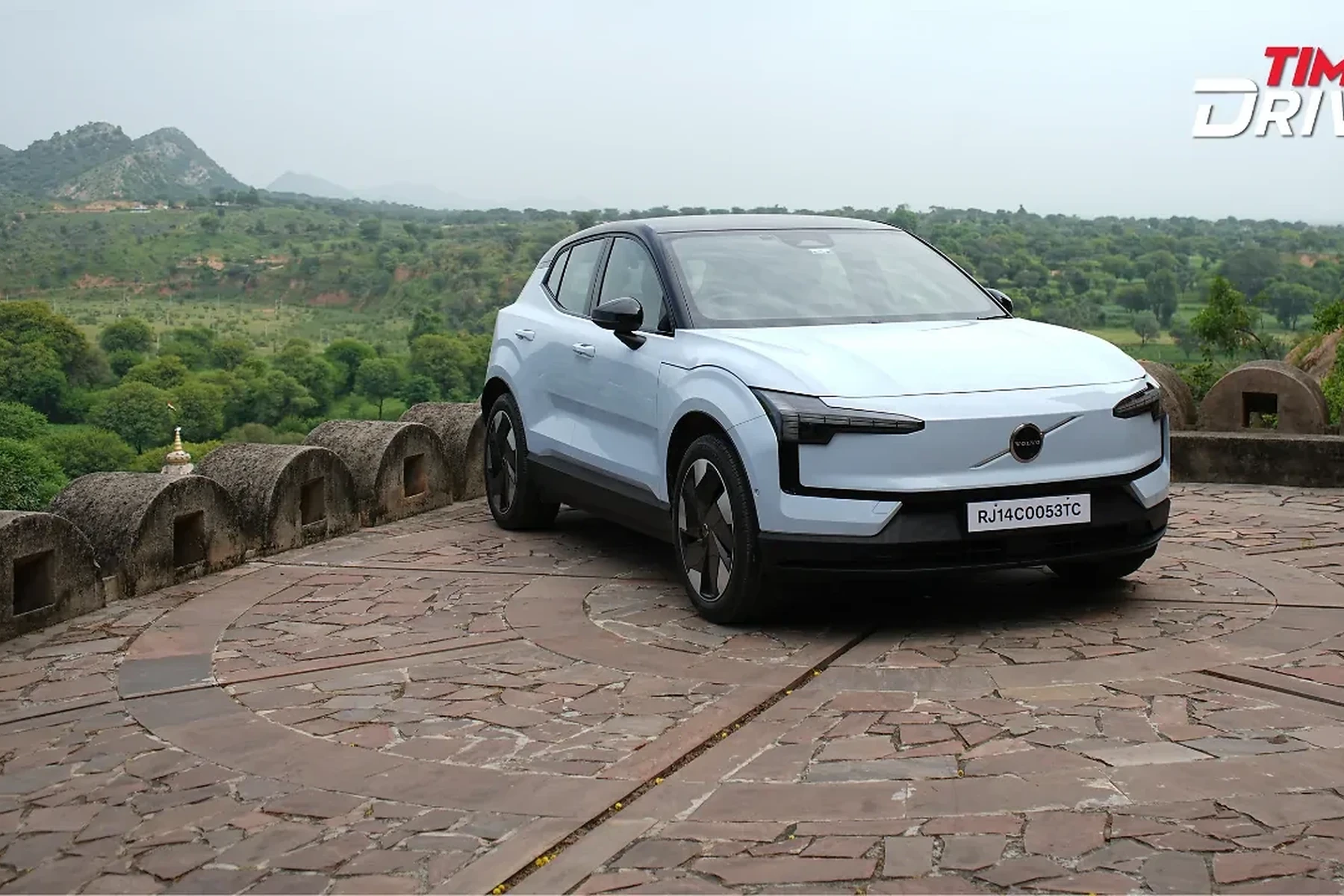
The Subaru EX30 is equipped with a high-performance lithium-ion battery. This battery is crucial as it powers the EV and directly influences range and charging times.
The EX30’s battery capacity typically ranges from 50 to 75 kWh depending on the model year and trim. This capacity determines how far you can drive on a single charge, which is essential for planning road trips or daily commutes.
Battery Performance and Range
The range of the Subaru EX30 varies based on driving conditions and battery health. On average, expect a range of 200 to 300 miles per charge. Factors such as driving habits, terrain, and use of climate control can impact this.
Maintaining optimal battery health is key to ensuring you achieve the maximum range. Regularly check for software updates and battery management systems to ensure efficiency.
Charging Options for the Subaru EX30
Understanding how to charge your Subaru EX30 efficiently can enhance your ownership experience. The EX30 supports multiple charging options.
Home Charging Solutions
For daily use, most owners utilize a Level 2 home charger, which can charge the battery from empty to full in approximately 8 to 12 hours. Installing a home charger can significantly improve convenience.
Consider consulting a licensed electrician to install a dedicated circuit for your charger to ensure safety and compliance with local codes.
Public Charging Stations
Public charging infrastructure is expanding, offering fast charging options that can charge your Subaru EX30 up to 80% in about 30 minutes. Apps like ChargePoint or PlugShare can help locate nearby charging stations.
Charging costs at public stations can vary; expect to pay anywhere from $0.10 to $0.40 per kWh, depending on the provider and location.
Battery Care and Maintenance
Proper battery maintenance extends its lifespan and ensures your Subaru EX30 operates efficiently.
Regular Checks
Regularly check the battery’s state of charge (SOC) and depth of discharge (DOD). Ideally, keep the battery charged between 20% and 80% to maximize its lifespan.
Avoid letting the battery drain completely on a regular basis, as this can lead to permanent damage.
Temperature Management
Extreme temperatures can affect battery performance. In extremely hot or cold climates, consider using garage space that maintains a more stable temperature.
Utilizing pre-conditioning features, if available, can help prepare the battery for optimal performance.
⚠️ Safety Note: If you notice any unusual behavior with your battery, such as swelling or a significant drop in range, consult a professional immediately.
Understanding Range and Real-World Factors
The Subaru EX30’s range can be affected by a variety of real-world factors.
Driving Conditions
City driving can yield better range compared to highway speeds due to regenerative braking, which recovers energy during braking. Conversely, aggressive driving can decrease range significantly.
Accessory Use
Using climate control, heated seats, or other electrical accessories draws additional power from the battery. Be mindful of these factors when planning longer trips.
Cost of Charging and Overall Maintenance
The cost of charging your Subaru EX30 can vary based on your electricity provider and local rates. On average, charging at home can cost between $5 and $10 for a full charge, depending on the battery size.
Regular maintenance of the charging system, including checking the charger and cables for wear, is essential. If you notice any faults, addressing them quickly can prevent more significant issues.
💡 Did You Know? The Subaru EX30 features regenerative braking technology that helps extend your driving range by recapturing energy during braking.
Frequently Asked Questions
What Is the Warranty on the Subaru EX30 Battery?
The Subaru EX30 typically comes with an 8-year or 100,000-mile warranty on the battery, covering defects and capacity loss.
How Long Does It Take to Charge the Subaru EX30 Completely?
Charging the Subaru EX30 fully with a Level 2 home charger takes about 8 to 12 hours, while fast chargers can do it in about 30 minutes.
Can I Use a Standard Outlet to Charge the Subaru EX30?
Yes, you can charge the EX30 using a regular 120V outlet, but it will take significantly longer—up to 24 hours or more for a full charge.
How Can I Extend the Life of My Subaru EX30 Battery?
To extend battery life, avoid frequent deep discharges, maintain a charge between 20% and 80%, and keep the battery in a temperature-controlled environment.
What Should I Do If My EV Range Suddenly Drops?
If you notice a significant drop in range, check for software updates, consider battery health checks, and consult a professional to inspect the charging system.
💡 Evans Torres Tip: Regularly monitor your battery’s performance and seek software updates to keep your Subaru EX30 running optimally.
Final Verdict
Understanding the Subaru EX30 engine parts, particularly the battery, charging systems, and range, is crucial for maximizing your EV experience. Proper maintenance and awareness of charging options will ensure a smooth and efficient driving experience. By taking care of these aspects, you can enjoy the benefits of electric driving while minimizing potential issues.
Author

Author

Evans Torres
I’m Evans Torres, an automotive engineer who loves Volvo cars. I graduated in Automotive Engineering from USC. I have worked in the car industry for years and now share my knowledge on The Volvo Life. I started this blog to connect with other Volvo fans. I offer tips, news, and advice to help you care for your car. My goal is to help you keep your Volvo in great shape and find all the best things about it. Join me as we discover everything Volvo has to offer!