


Volvo’s autonomous driving technology in 2025 is set to enhance safety and convenience. This technology, featuring advanced sensors and AI, aims for fully autonomous driving, with gradual improvements across the Volvo lineup.
As we approach 2025, Volvo is making significant strides in autonomous driving technology. This innovation promises to redefine the driving experience, focusing on safety, convenience, and efficiency. Understanding how this technology works and what it means for Volvo owners is essential for those looking to stay informed about their vehicles.
For related context, you may also want to read Volvo ex60 battery technology.
- Volvo’s 2025 autonomous technology emphasizes enhanced safety features.
- Integration of AI and advanced sensors will support various driving environments.
- Models like the XC90 and XC60 are expected to showcase these advancements first.
- Volvo’s commitment to sustainability aligns with its tech developments.
- Future updates will continue to improve vehicle performance and safety.
Understanding Volvo’s Autonomous Driving Technology in 2025
Volvo’s autonomous driving technology aims to create a safer road environment. By 2025, the brand plans to offer vehicles that can handle a variety of driving situations with minimal human intervention.
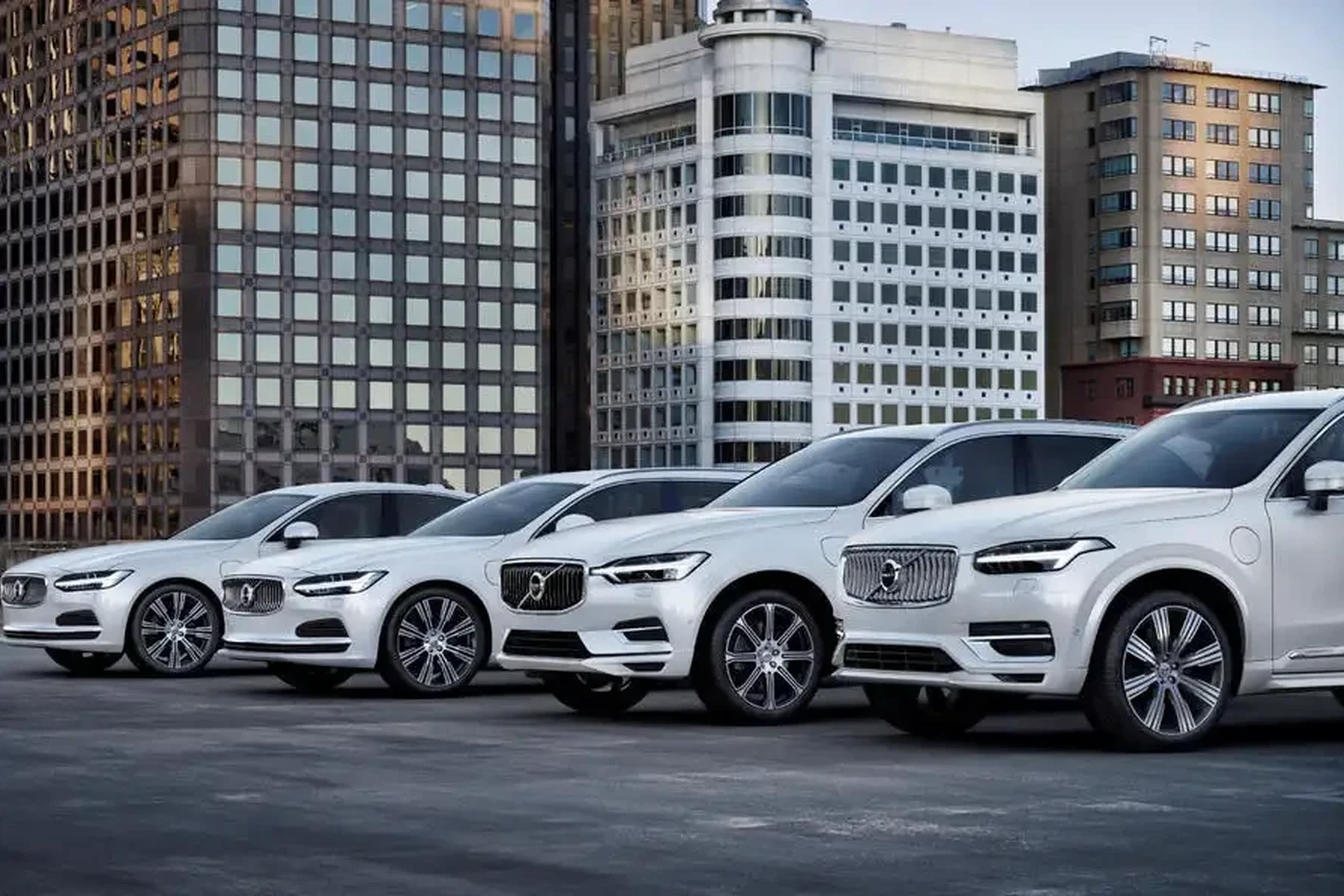
This technology utilizes a combination of sensors, cameras, and artificial intelligence to monitor the vehicle’s surroundings and make real-time driving decisions.
Key Features of Volvo’s 2025 Autonomous Technology
The autonomous driving technology introduced by Volvo in 2025 will include several key features: This connects closely with Volvo car key battery 2025 if you want to compare the topic in more detail.
1. Advanced Sensor Systems
Volvo vehicles will be equipped with a comprehensive array of sensors, including lidar, radar, and cameras. These systems work together to provide a 360-degree view of the vehicle’s environment, allowing it to detect obstacles, pedestrians, and other vehicles.
2. AI-Driven Decision Making
Artificial intelligence will play a crucial role in processing data from the sensor systems. This AI will analyze driving conditions and make split-second decisions to enhance safety and improve the driving experience.
3. Level 4 Autonomy
By 2025, Volvo aims to achieve Level 4 autonomy in designated areas. This means that the vehicle can drive itself without human intervention in certain conditions, such as highway driving or urban environments with well-marked roads.
You can also use how much is a 2025 Volvo XC60 as a helpful next guide on the same ownership topic.
4. Enhanced Safety Features
Volvo’s long-standing commitment to safety will be amplified through its autonomous technology. Features like automatic emergency braking, collision avoidance systems, and lane-keeping assistance will work together to prevent accidents.
Volvo Models Featuring Autonomous Driving Technology
Several models are expected to showcase Volvo’s autonomous driving technology by 2025:
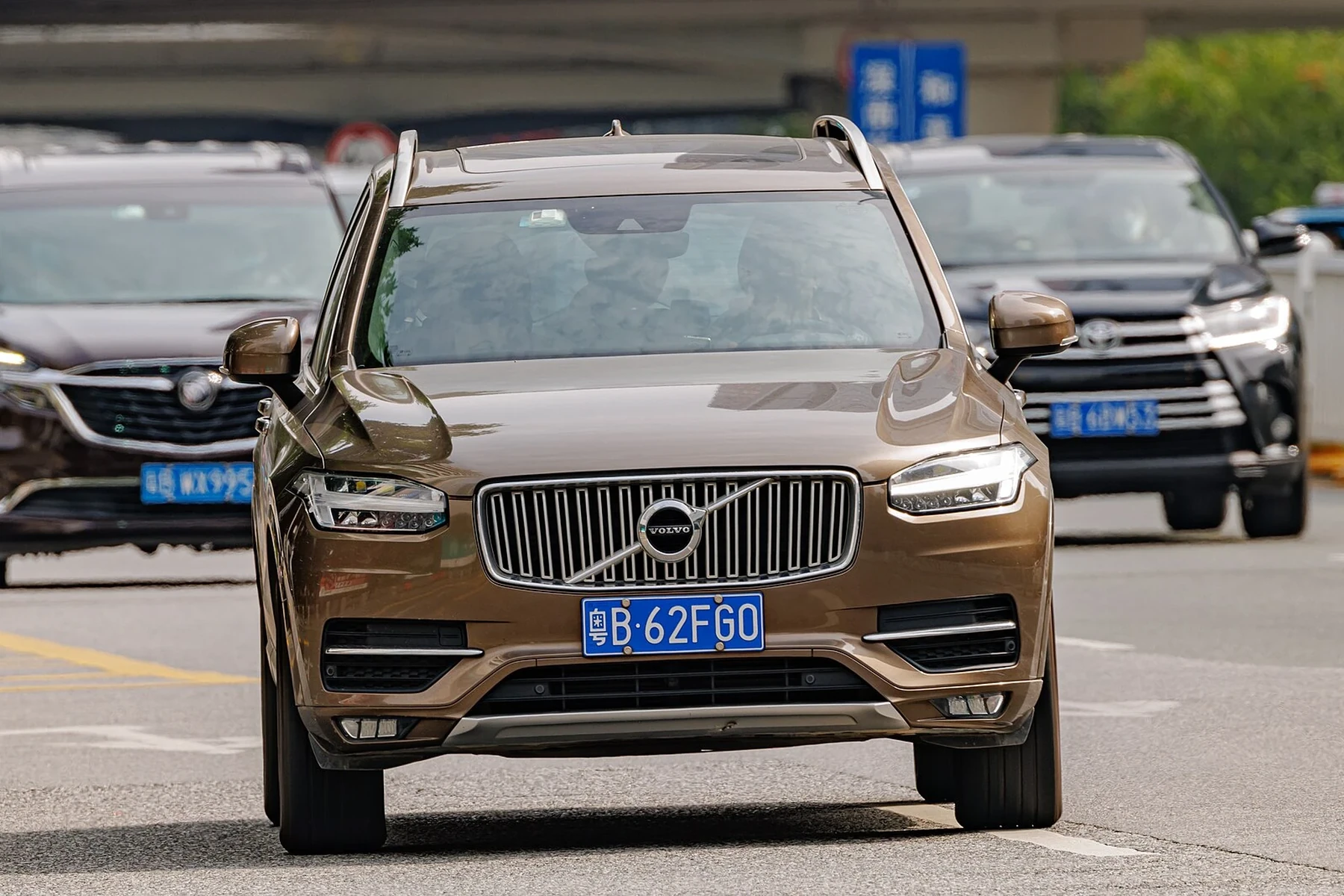
- Volvo XC90: This flagship SUV will likely lead the charge, offering extensive autonomous features.
- Volvo XC60: Positioned as a mid-sized SUV, the XC60 will incorporate similar technologies, appealing to a broader audience.
- Volvo EX40: The upcoming EX40 model is anticipated to include advanced battery technology along with autonomous driving capabilities, making it a notable entry for eco-conscious consumers. For more details, check out our article on Volvo EX40 Battery Capacity Usable Kwh 2025.
How Volvo’s Autonomous Technology Will Change Driving
The introduction of autonomous driving technology will vastly change the way people interact with their vehicles. Here’s how:
1. Reduced Driver Fatigue
With the capability of handling driving tasks, long commutes will become less stressful. Drivers can relax or take care of other activities while the vehicle navigates.
2. Improved Traffic Flow
Autonomous vehicles can communicate with each other and traffic systems. This coordination can lead to smoother traffic flow, reducing congestion and travel times.
3. Enhanced Safety
With advanced sensors and AI, the likelihood of accidents decreases. Volvo’s commitment to safety means that their autonomous technology will prioritize the well-being of passengers and pedestrians alike.
Integration with Other Volvo Technologies
Volvo’s autonomous driving technology will seamlessly integrate with other technological advancements in their vehicles:
1. Connectivity Features
Volvo’s vehicles will feature enhanced connectivity, allowing owners to control various functions through mobile apps. This integration will provide real-time updates about the vehicle’s performance and any necessary maintenance.
2. Sustainable Practices
Volvo is committed to sustainability, and its autonomous driving technology will align with eco-friendly initiatives. The integration of electric vehicles with autonomous capabilities will lead to a reduction in carbon footprint.
Maintenance and Software Updates for Autonomous Features
As technology evolves, maintaining and updating your vehicle’s software will be crucial. Volvo plans to provide over-the-air updates for its autonomous features, ensuring that drivers always have the latest advancements. Here’s what to consider:
1. Regular Software Updates
Volvo will implement regular software updates to enhance autonomous features, fix bugs, and introduce new functionalities. Keeping your vehicle connected will ensure you benefit from these improvements.
2. Routine Maintenance Checks
While autonomous features reduce some driving responsibilities, routine maintenance checks will still be essential. Regular inspections will help ensure that the sensor systems and other components are functioning correctly.
💡 Evans Torres Tip: Regularly update your vehicle’s software to enjoy the full benefits of Volvo’s autonomous driving features. Staying connected ensures peak performance and safety.
Frequently Asked Questions
What Is the Expected Release Date for Volvo’s Autonomous Driving Technology?
Volvo aims to have its autonomous driving technology available across its lineup by 2025, with some models possibly showcasing the technology earlier.
How Will Autonomous Technology Impact Insurance Rates?
As autonomous vehicles become more prevalent, insurance rates may adjust based on the reduced risk of accidents, potentially leading to lower premiums for owners.
Will I Need to Pay for Updates to Autonomous Features?
Most updates will likely be provided over-the-air at no additional cost, ensuring that your vehicle remains equipped with the latest technology.
What Safety Measures Are in Place for Autonomous Driving?
Volvo’s autonomous vehicles will include multiple safety features, such as collision avoidance systems and emergency braking, designed to protect occupants and pedestrians.
How Does Volvo’s Autonomous Technology Compare to Competitors?
Volvo’s approach focuses heavily on safety and sustainability, aiming for a user-friendly experience while other manufacturers may prioritize performance or speed.
Final Verdict
Volvo’s autonomous driving technology in 2025 is set to significantly enhance the driving experience, emphasizing safety and convenience. With the integration of advanced sensors, AI, and sustainability practices, Volvo is positioning itself as a leader in automotive innovation.
Owners can look forward to a future where driving is safer and more enjoyable.
Author

Author

Evans Torres
I’m Evans Torres, an automotive engineer who loves Volvo cars. I graduated in Automotive Engineering from USC. I have worked in the car industry for years and now share my knowledge on The Volvo Life. I started this blog to connect with other Volvo fans. I offer tips, news, and advice to help you care for your car. My goal is to help you keep your Volvo in great shape and find all the best things about it. Join me as we discover everything Volvo has to offer!