


The Volvo V90 engine size varies by model year and trim, typically featuring a 2.0-liter turbocharged inline-4 engine, with options for a supercharged variant.
Volvo V90 is known for its elegant design and luxurious features, but its engine size is a crucial aspect that influences performance and efficiency. Understanding the specifications of the Volvo V90 engine can help potential buyers make informed decisions and optimize their driving experience. This article delves into the engine size specifications, variations across different model years and trims, and their real-world implications for owners.
- The standard engine size for most Volvo V90 models is a 2.0-liter inline-4.
- Higher trims may feature a supercharged variant for enhanced performance.
- Real-world fuel efficiency can vary based on driving conditions and engine choice.
- Model year changes can affect engine specifications and options.
Volvo V90 Engine Specifications

The Volvo V90 typically features a 2.0-liter turbocharged inline-4 engine across most of its trims. This engine is designed to balance performance and fuel efficiency. It produces around 250 horsepower and 258 lb-ft of torque, providing a satisfying driving experience for those who prioritize a blend of power and economy.
For some higher trims, a supercharged version of the 2.0-liter engine is available, boosting performance. This engine configuration can deliver up to 316 horsepower and 295 lb-ft of torque, making it suitable for drivers seeking a more dynamic driving experience.
Here’s a summary of the engine specifications across different V90 trims:
| Trim Level | Engine Type | Horsepower | Torque (lb-ft) |
|---|---|---|---|
| Base | 2.0L Turbo I4 | 250 | 258 |
| R-Design | 2.0L Supercharged I4 | 316 | 295 |
| Inscription | 2.0L Supercharged I4 | 316 | 295 |
Model Year and Trim Variations
The Volvo V90 has undergone various updates since its introduction in 2017. Each model year may present different engine options, features, and technology.
For instance, the 2019 model introduced mild-hybrid technology, which enhances fuel efficiency without compromising performance. This model retained the base engine size but added an electric motor to improve overall power delivery and assist during acceleration.
Additionally, the 2021 model year saw the introduction of the V90 Cross Country variant, which is tailored for off-road capabilities. While it shares the same engine size as the standard V90, it incorporates enhancements to the suspension and drivetrain to handle diverse terrains.
Understanding these variations allows buyers to choose a model that aligns with their preferences, whether it’s performance, efficiency, or off-road capability.
Real-World Implications of Engine Size
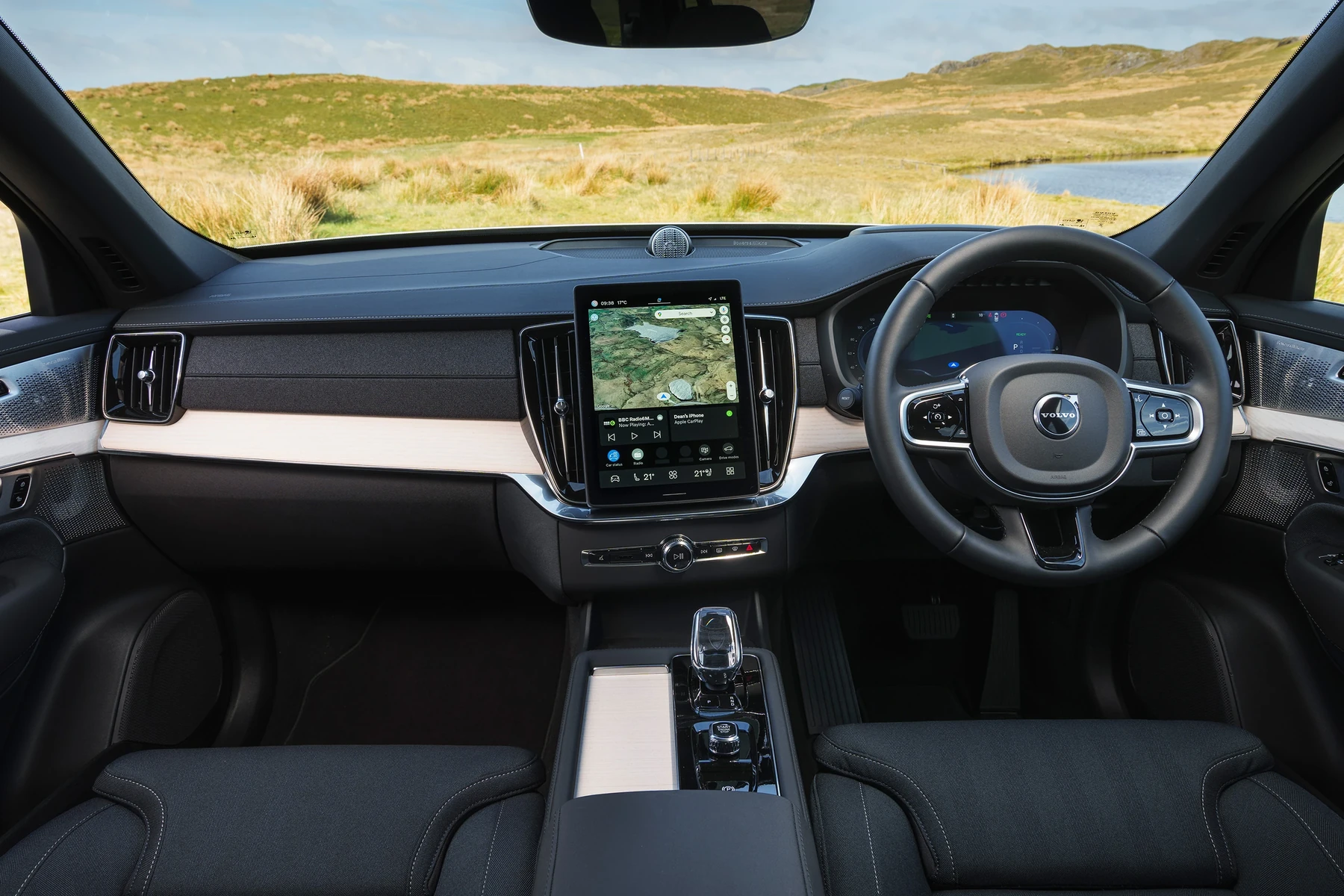
The engine size of the Volvo V90 significantly affects its driving experience, fuel efficiency, and maintenance costs. The 2.0-liter turbocharged engine provides a balance that many drivers appreciate.
In real-world conditions, drivers can expect fuel economy ranging from 24 mpg in the city to about 36 mpg on the highway, depending on driving habits and conditions. The supercharged variant, while more powerful, may yield slightly lower fuel efficiency, averaging around 21 mpg in the city and 32 mpg on the highway.
Additionally, the engine’s turbocharging technology allows for quick acceleration without a significant increase in fuel consumption. This feature is particularly beneficial in urban areas and during highway merges.
Owners should also consider maintenance costs associated with engine size. Generally, the 2.0-liter engines are known for reliability, but it’s always wise to adhere to scheduled maintenance to ensure longevity.
Performance Comparisons with Other Volvo Models
When comparing the Volvo V90 engine size and performance to other models in the Volvo lineup, such as the Volvo XC60 and XC90, some distinctions emerge.
The XC60 features similar engine options, but its compact design affects performance metrics. The XC90, on the other hand, offers a more powerful engine lineup, including a 2.0-liter turbocharged inline-4 and an optional V6 engine, catering to different driving needs.
Here’s a quick comparison of engine specifications between these models:
| Model | Engine Size | Horsepower | Torque (lb-ft) |
|---|---|---|---|
| Volvo V90 | 2.0L Turbo I4 / Supercharged I4 | 250 / 316 | 258 / 295 |
| Volvo XC60 | 2.0L Turbo I4 | 250 | 258 |
| Volvo XC90 | 2.0L Turbo I4 / V6 | 250 / 316 | 258 / 295 |
This comparison showcases how the engine size and output vary across models, helping potential buyers assess which vehicle meets their needs.
💡 Evans Torres Tip: If you’re considering a used Volvo V90, check the engine service history. Regular maintenance records can indicate how well the vehicle has been cared for, impacting long-term reliability.
Frequently Asked Questions
What Is the Engine Size of the Volvo V90?
The standard engine size for the Volvo V90 is a 2.0-liter turbocharged inline-4, with some trims featuring a supercharged variant.
Does the Engine Size Affect Fuel Efficiency?
Yes, larger or more powerful engines may lead to lower fuel efficiency. The V90’s turbocharged engines provide a balance of power and economy.
Are There Any Differences in Engine Performance Between V90 Trims?
Yes, the base trim features a 250 horsepower engine, while higher trims with a supercharged option offer up to 316 horsepower, enhancing performance.
How Often Should I Service the Engine in a Volvo V90?
Regular maintenance is essential. Follow the manufacturer’s recommendations, typically every 10,000 miles, or once a year, whichever comes first.
Is the Volvo V90 Reliable?
The Volvo V90 is generally regarded as a reliable vehicle, especially when regular maintenance is performed.
Final Verdict
The Volvo V90 offers a compelling blend of performance and efficiency, with its engine size being a significant factor in its appeal. Whether you choose the standard turbocharged engine or the more powerful supercharged variant, the V90 provides a satisfying driving experience. Consider your driving needs and preferences to select the right trim for optimal performance and efficiency.
Author

Author

Evans Torres
I’m Evans Torres, an automotive engineer who loves Volvo cars. I graduated in Automotive Engineering from USC. I have worked in the car industry for years and now share my knowledge on The Volvo Life. I started this blog to connect with other Volvo fans. I offer tips, news, and advice to help you care for your car. My goal is to help you keep your Volvo in great shape and find all the best things about it. Join me as we discover everything Volvo has to offer!