


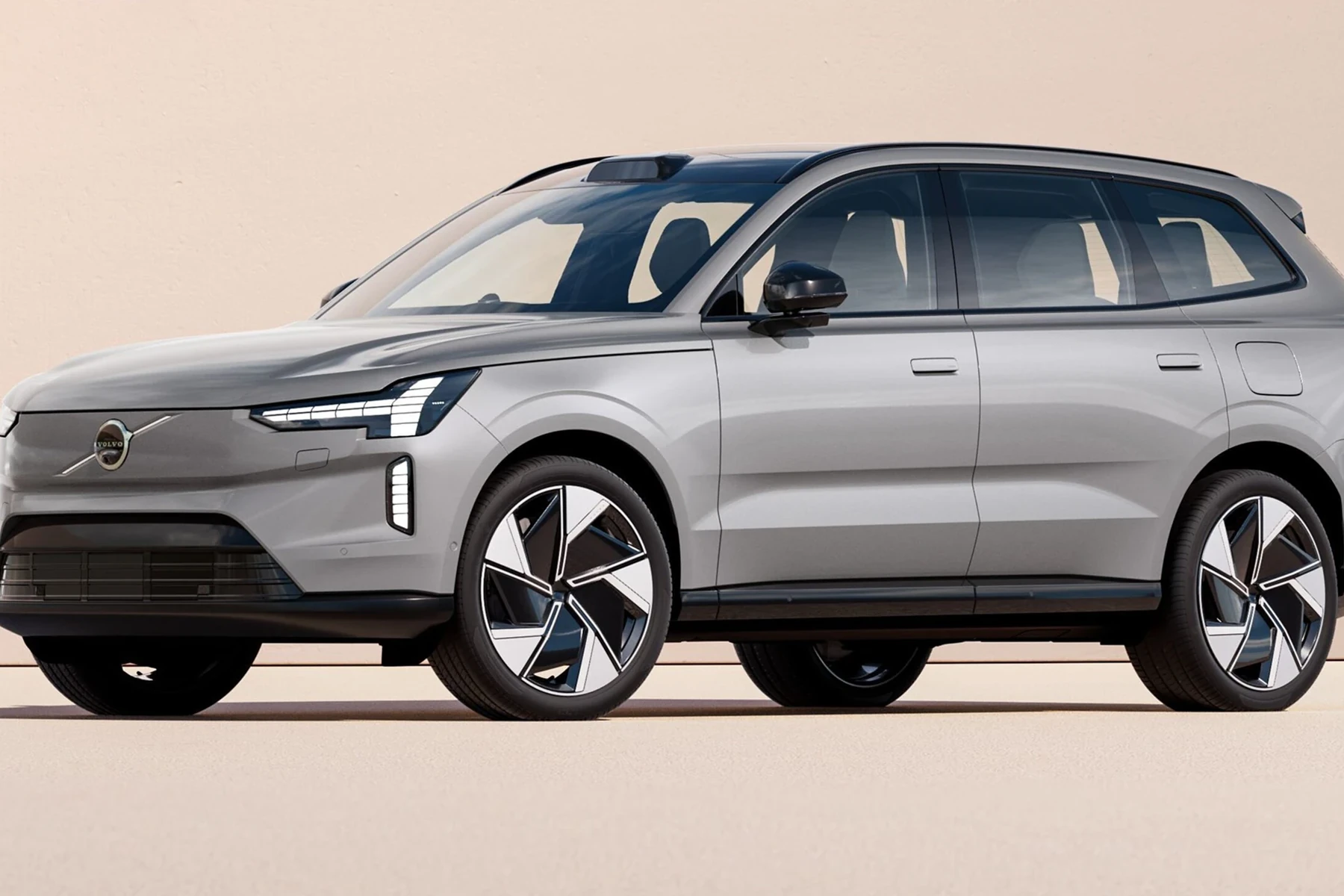
The Volvo EX30 requires approximately 55 kWh to fully charge its battery. Real-world charging times and costs can vary based on the charging station and power source used.
Charging a Volvo EX30 can be straightforward, but understanding the specifics about battery capacity, charging times, and overall range is crucial. For related context, you may also want to read how to charge a Volvo XC90 battery.
This guide will provide an in-depth look at how many kWh it takes to charge a Volvo EX30, along with useful insights into battery care, charging methods, and real-world factors affecting your electric vehicle (EV) experience.
- The Volvo EX30 has a battery capacity of approximately 55 kWh.
- Charging times vary based on the charging station and power source.
- Real-world range can differ based on driving conditions and habits.
- Proper battery care can extend the lifespan of your EV battery.
- Safety measures are essential when charging your Volvo EX30.
Battery Capacity of the Volvo EX30
The Volvo EX30 features a battery capacity of approximately 55 kWh. This capacity allows for a significant driving range, making it suitable for both daily commuting and longer journeys. The battery is designed to hold a substantial amount of energy that powers the vehicle’s electric motor efficiently.
How Many kWh to Charge a Volvo EX30?
To charge a Volvo EX30 from 0% to 100%, you will need about 55 kWh. This means that if you are using a standard Level 2 home charger, you can expect the charging time to be around 8 to 10 hours, depending on the charger’s output.
This connects closely with how to service a Volvo penta engine if you want to compare the topic in more detail.
For faster charging options, such as DC fast chargers, the time can decrease significantly, allowing you to charge from 10% to 80% in approximately 30 minutes or less.
Charging Procedure
Charging your Volvo EX30 involves a few key steps:
- Connect the Charger: Ensure the charging port is clean and free of debris. Plug the charging cable into the vehicle and the power outlet.
- Monitor Charging Status: The vehicle’s display will indicate the charging status. Most EVs, including the EX30, will show how much charge the battery has received.
- Unplug When Finished: Once charging is complete, disconnect the charger from the vehicle first, then from the power source.
Charging Costs
The cost to charge a Volvo EX30 largely depends on local electricity rates and the charging method used. On average, if the electricity rate is around $0.13 per kWh, a full charge could cost approximately $7.15.
However, this cost can vary significantly based on your location and whether you use a public charging station that may have different pricing structures. You can also use how to start a Volvo penta engine as a helpful next guide on the same ownership topic.
Home Charging Vs. Public Charging
Home charging tends to be more cost-effective, especially if you have a residential solar power system. Public charging stations might charge a premium, particularly for fast charging options. Always check the pricing before plugging in.
Real-World Range of the Volvo EX30
The real-world driving range of the Volvo EX30 is estimated to be around 250 to 300 miles on a full charge, depending on driving conditions and habits. Factors such as speed, terrain, and the use of climate control can impact this range.
Driving Conditions Affecting Range
Driving in colder weather can reduce battery efficiency, resulting in a lower range. Conversely, warmer temperatures may improve performance but can still vary based on driving style and use of features like air conditioning.
Battery Care for Extended Lifespan
Proper battery care is essential for maximizing the lifespan of your Volvo EX30’s battery. Here are some tips to keep in mind:
- Avoid Frequent Full Charges: Regularly charging to 100% can wear the battery faster. It’s best to charge between 20% and 80% most of the time.
- Keep It Cool: Extreme temperatures can damage battery health. Park in shaded areas or garages when possible.
- Use Smart Charging: If your charger has a time-delay feature, use it to charge during off-peak hours for better rates and to reduce grid demand.
Safety Precautions When Charging
Charging an EV like the Volvo EX30 involves certain safety protocols to follow:
- Use Approved Chargers: Always use chargers approved by Volvo to ensure compatibility and safety.
- Inspect Cables: Regularly check the charging cables for damage or wear. Do not use damaged equipment.
- Stay Vigilant: Monitor the charging process and be present when charging, especially with fast chargers.
⚠️ Safety Note: Never charge your Volvo EX30 overnight in an area susceptible to flooding or where the charging equipment may be exposed to water. Always follow local guidelines for EV charging safety.
A few more practical points are worth covering before moving on.
💡 Evans Torres Tip: For the best charging experience, consider installing a Level 2 home charging station. It can significantly reduce charging time compared to standard outlets, making it more convenient for daily use.
Frequently Asked Questions
1. How Long Does It Take to Charge a Volvo EX30?
Charging time depends on the charger used. A Level 2 charger can take about 8 to 10 hours, while a DC fast charger can charge from 10% to 80% in about 30 minutes.
2. Can I Charge My Volvo EX30 at Home?
Yes, you can charge your Volvo EX30 at home using a standard outlet or a dedicated Level 2 charger for faster charging.
3. What Affects the Charging Cost of My Volvo EX30?
Charging costs are influenced by local electricity rates, the type of charger used, and whether it’s a public charging station or home charging.
4. What Is the Best Way to Maintain My Volvo EX30 Battery?
Keep the battery charged between 20% and 80% regularly, avoid extreme temperatures, and use smart charging options when available.
5. Does Charging Speed Differ Between Public and Home Chargers?
Yes, public chargers, especially DC fast chargers, typically charge much faster than standard home chargers.
Final Verdict
Understanding how many kWh it takes to charge a Volvo EX30 is essential for optimizing your EV experience. With a capacity of approximately 55 kWh, charging can be efficient and cost-effective, especially with home charging solutions.
By following best practices for battery care and safety, you can ensure that your Volvo EX30 remains in top condition for years to come.
Author

Author

Evans Torres
I’m Evans Torres, an automotive engineer who loves Volvo cars. I graduated in Automotive Engineering from USC. I have worked in the car industry for years and now share my knowledge on The Volvo Life. I started this blog to connect with other Volvo fans. I offer tips, news, and advice to help you care for your car. My goal is to help you keep your Volvo in great shape and find all the best things about it. Join me as we discover everything Volvo has to offer!