


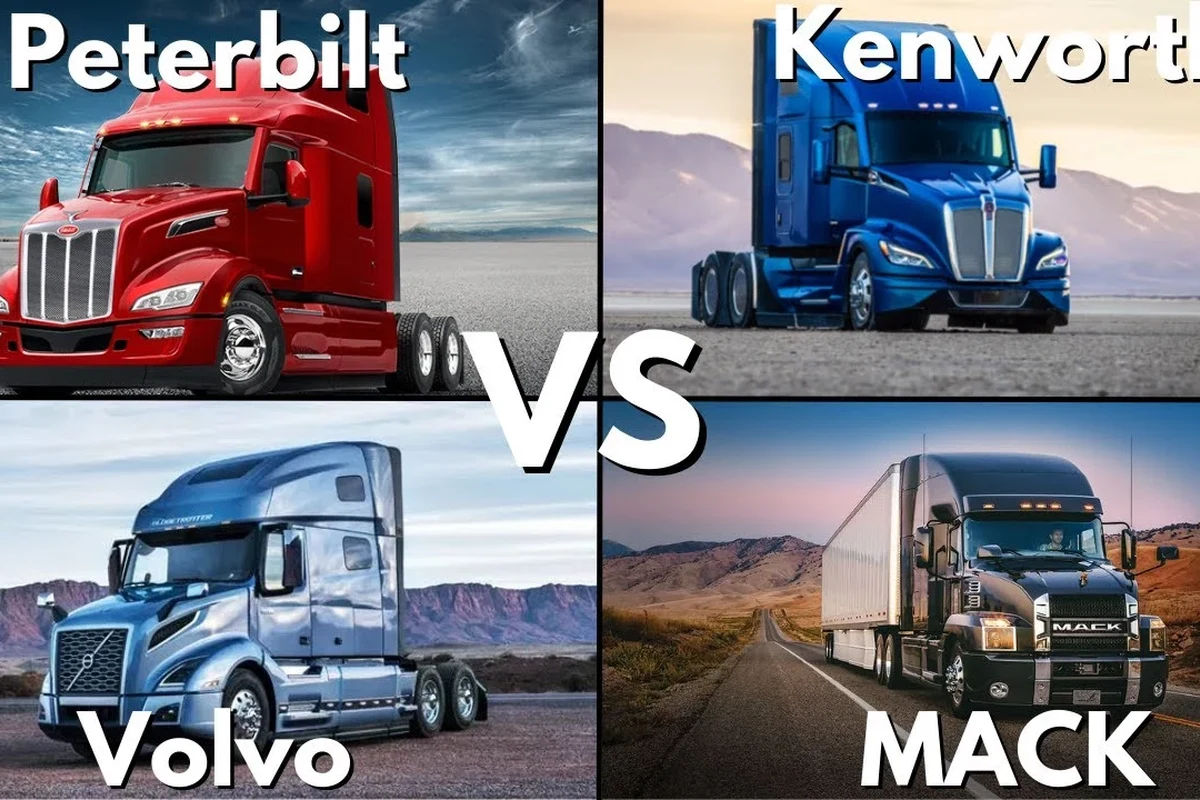
Choosing between Volvo, Kenworth, and Peterbilt involves understanding their unique characteristics and which scenarios they best fit. Each brand offers a range of trucks designed for different applications, from long-haul to local delivery.
When comparing “volvo vs kenworth vs peterbilt,” each brand has distinct advantages tailored to specific trucking needs. This article delves into their powertrains, safety features, reliability, and overall ownership costs to help you make an informed choice.
- Volvo vs Kenworth vs Peterbilt: Choosing between Volvo, Kenworth, and Peterbilt involves understanding their unique characteristics and which scenarios.
- Key Comparisons Between Volvo, Kenworth,: To make an informed decision, it’s essential to compare the trucks based on powertrain.
- Reliability and Maintenance Records: Reliability can significantly impact total ownership costs over time..
- Resale Value and Cost of: Understanding resale values can help you gauge the long-term investment of your truck purchase..
- Best Fit Scenarios for Buyers: Each brand appeals to different types of buyers based on their needs.
Volvo vs Kenworth vs Peterbilt: Which Truck Stands Out?
Choosing between Volvo, Kenworth, and Peterbilt involves understanding their unique characteristics and which scenarios they best fit. Each brand offers a range of trucks designed for different applications, from long-haul to local delivery. For another location comparison, read best volvo truck accessories.
Below, we will explore key comparisons that highlight what sets these brands apart.
| Truck Brand | Best For | Key Characteristics |
|---|---|---|
| Volvo | Long-Haul | Fuel efficiency, advanced safety features |
| Kenworth | Local Delivery | Durability, customizable options |
| Peterbilt | Mixed Applications | Iconic design, strong performance |
Before purchasing, confirm the specific model year and engine badge for the truck you are considering, as specifications can vary significantly between models.
Key Comparisons Between Volvo, Kenworth, and Peterbilt Trucks
To make an informed decision, it’s essential to compare the trucks based on powertrain options, safety ratings, reliability, and resale value. Here’s a closer look at how each brand stacks up in these critical areas.
Powertrain Options and Performance
Powertrain performance is crucial for any truck, affecting everything from fuel efficiency to hauling capacity. Here’s a breakdown of the engine options available for each brand:
- Volvo: Known for their D11 and D13 engines, Volvo trucks offer horsepower ranging from 325 to 605. These engines use advanced fuel-saving technologies, making them efficient for long-haul operations.
- Kenworth: The PACCAR MX-11 and MX-13 engines provide a power range from 380 to 565 horsepower. Kenworth trucks are celebrated for their balance of power and fuel efficiency, particularly in heavy-duty applications.
- Peterbilt: Similar to Kenworth, Peterbilt trucks use the PACCAR MX engines, with similar horsepower ratings. Their trucks are known for excellent torque, especially suitable for towing and hauling heavy loads.
In terms of fuel efficiency, Volvo tends to lead, particularly with their I-Shift automated manual transmission, which optimizes shifting and improves mileage. Kenworth and Peterbilt also offer automated options that enhance efficiency but may not match Volvo’s advanced systems.
Safety Ratings and Driver-Assistance Technologies
Safety is a top priority for fleet managers and individual owners alike. Here’s how each brand performs in safety ratings: For official guidance on this, see Consumer Reports car guidance.
Volvo: Consistently receives high marks from IIHS for its advanced safety features, including collision mitigation and lane-keeping assistance. Kenworth: Offers systems like Adaptive Cruise Control and advanced braking technologies, contributing to solid safety ratings. Peterbilt: Known for integrating safety features like stability control and a strong cab structure, enhancing driver protection.
All three brands implement current driver-assistance technologies, but Volvo’s reputation for safety innovation often sets it apart. Features like the dynamic steering system and integrated safety features make Volvo a strong contender for safety-conscious buyers. This also connects with best oil for volvo truck engine before you pay, sign, or book.
Reliability and Maintenance Records
Reliability can significantly impact total ownership costs over time. Here’s how each brand fares based on owner-reported patterns and maintenance needs:
- Volvo: Generally praised for reliability, but some owners report issues with electronic components, particularly in older models.
- Kenworth: Known for ruggedness and durability, Kenworth trucks often have lower maintenance costs in the long run.
- Peterbilt: While Peterbilt trucks are also reliable, some models have reported higher maintenance costs due to specialized parts.
Regular maintenance is crucial for all brands, and owners are encouraged to follow the manufacturer’s guidelines closely. As always, checking with a qualified technician can provide insights tailored to specific models. For related service checks, see volvo cars with the best technology.
Evaluate the potential ownership costs by considering fuel efficiency, regular maintenance, and warranty status before making a decision.
Resale Value and Cost of Ownership
Understanding resale values can help you gauge the long-term investment of your truck purchase. Here’s how the brands compare:
Volvo: Typically retains value well due to brand reputation and high demand in the used market. Kenworth: Known for strong resale values, especially among fleet companies, due to their durability. Peterbilt: Also holds value well, particularly in niche markets where brand loyalty is strong. For official guidance on this, see Volvo Cars official website.
Overall, all three brands have strong resale potential, but Volvo’s innovative features can help maintain its value over time. Considering factors like market demand in your area can also influence resale value. You can also use what is the best infant car seat for volvo xc60 as the next practical guide.
💡 Evans Torres Tip: Write down the three things you cannot live without before you compare, then drop any option that misses one, whatever its spec-sheet score.
Best Fit Scenarios for Buyers
Each brand appeals to different types of buyers based on their needs:
- Volvo: Ideal for long-haul trucking and those prioritizing comfort and advanced technology.
- Kenworth: Best suited for heavy-duty applications and those who value durability.
- Peterbilt: A great choice for specialized applications where brand loyalty and aesthetics are important.
Understanding your specific needs and how each brand meets those can guide you toward the right choice.
Pros and Cons of Each Brand
Summarizing the strengths and weaknesses can aid in your decision:
Volvo Pros: Advanced safety features, strong fuel efficiency. Volvo Cons: Higher initial costs, some electronic issues in older models. Kenworth Pros: Durability, lower maintenance costs. Kenworth Cons: May lack some advanced features found in Volvo. Peterbilt Pros: Strong resale value, aesthetic appeal. Peterbilt Cons: Higher maintenance costs, less focus on technology than Volvo. For related context, read what is the best coolant for 2007 volvo s60 2 5t.
Final Verdict: Which Truck is Right for You?
Ultimately, the decision between Volvo, Kenworth, and Peterbilt will depend on your specific needs and preferences. Volvo excels in safety and efficiency, Kenworth offers unmatched durability, and Peterbilt combines style with solid performance.
Assessing your priorities—whether it’s long-haul comfort, heavy-duty capability, or aesthetics—will guide you to the best choice for your trucking needs. You can also use best roof boxes for volvo v60 as the next practical guide.
- Pay attention to engine responsiveness and ease of handling.
- Check the functionality of safety features during the drive.
- Assess comfort levels, particularly on longer routes.
Volvo vs Kenworth vs Peterbilt: Choosing the Right Truck for Your Needs
When deciding between Volvo, Kenworth, and Peterbilt, it’s essential to match each brand’s strengths with your trucking requirements.
Volvo shines in long-haul efficiency and safety, Kenworth excels in durability for heavy-duty applications, while Peterbilt appeals to those valuing aesthetics and performance across various uses. Assessing your priorities will guide you toward the best fit for your operations. For another location comparison, read best all season tire for volvo s60.
- Evaluate powertrain options for fuel efficiency and performance.
- Review safety ratings and driver-assistance technologies.
- Consider long-term ownership costs, including maintenance and resale value.
This guide on volvo vs kenworth vs peterbilt is general information. Rules, fees, rents, salaries, service coverage, product details, and procedures can change, so confirm important points with the manufacturer, retailer, or official app documentation before acting.
Frequently Asked Questions
Volvo offers the D11 and D13 engines with horsepower ranging from 325 to 605, while Kenworth and Peterbilt use the PACCAR MX-11 and MX-13 engines, providing a power range from 380 to 565 horsepower. Volvo is known for its advanced fuel-saving technologies, making it particularly efficient for long-haul operations.
Volvo consistently receives high safety ratings thanks to advanced features like collision mitigation and lane-keeping assistance. Kenworth and Peterbilt also offer safety technologies, but Volvo’s reputation for safety innovation often sets it apart.
Volvo trucks are generally praised for reliability, though some older models have reported electronic component issues. Kenworth is recognized for its ruggedness and durability, often resulting in lower long-term maintenance costs compared to Peterbilt, which may encounter higher maintenance costs due to specialized parts.
Volvo trucks typically retain their value well due to strong brand reputation and high demand in the used market. Kenworth also has strong resale values, especially among fleet companies, while Peterbilt holds value in niche markets where brand loyalty is significant.
Volvo is ideal for long-haul trucking, focusing on comfort and advanced technology, while Kenworth is best suited for heavy-duty applications due to its durability. Peterbilt is a great option for specialized applications where aesthetics and brand loyalty are important.
The pros of Kenworth trucks include their durability and lower maintenance costs over time. However, they may lack some of the advanced features found in Volvo trucks, which could be a consideration for buyers prioritizing technology.
Final Thoughts
When comparing “volvo vs kenworth vs peterbilt,” each brand has distinct advantages tailored to specific trucking needs. Choosing between Volvo, Kenworth, and Peterbilt involves understanding their unique characteristics and which scenarios they best fit.
