


Using snow chains can also enhance traction in particularly challenging conditions. For more information on tire options, check our article on Best Winter Tires for Volvo XC90 .
The Volvo XC90 is generally good in snow, thanks to its all-wheel drive system and safety features. This article explores its winter performance, tire options, and owner experiences to help you decide if it’s the right choice for snowy conditions.
- Understanding the Volvo XC90’s Performance: The Volvo XC90 has earned a reputation for handling snowy conditions effectively..
- Is the Volvo XC90 a: The XC90 is equipped with features that make it a strong contender for winter.
- Engine and Transmission Options: Impact: The engine and transmission options in the XC90 can affect its performance in snow..
- Winter Tire Options and Recommendations: Choosing the right tires is crucial for maximizing the XC90’s snow performance..
- Safety Features that Enhance Winter: The XC90 is equipped with numerous safety features that boost confidence on snowy roads..
Understanding the Volvo XC90’s Performance in Snow
The Volvo XC90 has earned a reputation for handling snowy conditions effectively. Its design incorporates advanced technology and safety systems that enhance traction and stability, making it suitable for winter driving.
However, performance can vary by model year, trim, and tire choice, so understanding these factors is crucial. For related context, read how good is the ride in a volvo xc90.
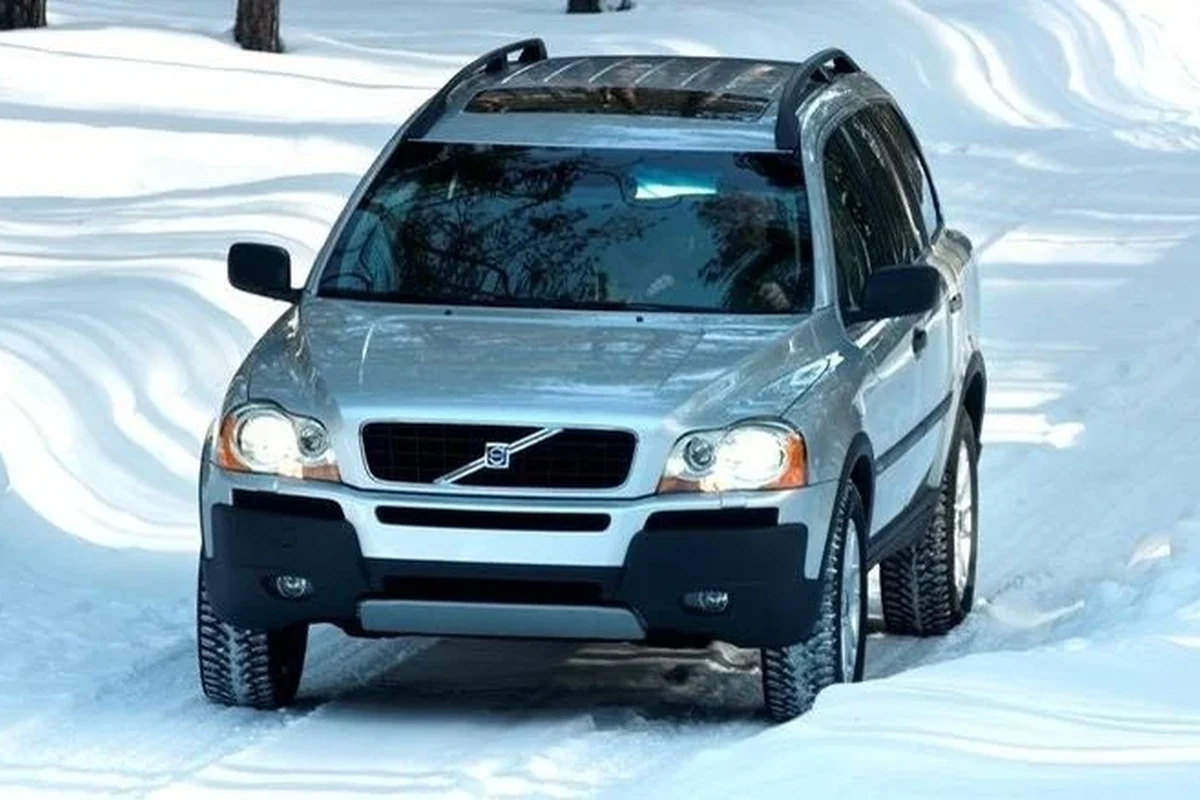
Is the Volvo XC90 a Good Choice for Winter Driving?
The XC90 is equipped with features that make it a strong contender for winter driving. With its all-wheel drive capabilities, it provides better traction on slippery surfaces.
Also, the vehicle’s safety features enhance driver confidence in challenging weather. Let’s look at the specifics of its snow performance across different generations.
Overview of XC90 Generations and Their Snow Performance
The Volvo XC90 has undergone several generations since its launch in 2002, with the latest generation introduced in 2015. Each iteration has brought improvements in technology and safety, which directly affect snow performance.
- P1 Generation (2002-2014): The early models offered a capable AWD system, but snow performance could be inconsistent without winter tires.
- P2 Generation (2015-Present): This generation features enhanced AWD systems and improved weight distribution, significantly boosting snow handling.
Overall, newer models tend to perform better in snowy conditions due to advanced engineering and technology. You can also use best snow chains for volvo xc90 as the next practical guide.
Volvo specifications, features, and equipment can differ by model year, market, and trim, so a detail that is true for one car may not apply to another.
Engine and Transmission Options: Impact on Winter Handling
The engine and transmission options in the XC90 can affect its performance in snow. The XC90 typically offers a range of engines, from turbocharged four-cylinders to more powerful six-cylinder options.
Most models come with an 8-speed automatic transmission, enhancing responsiveness in winter conditions. For official guidance on this, see Volvo Cars official website.
All-Wheel Drive Systems in the XC90
AWD is a key feature for winter driving in the XC90. The system is designed to distribute power to all four wheels, which helps maintain traction on slippery roads.
The latest models also include features like Instant Traction, which optimizes power distribution when starting on snow or ice.
For optimal winter performance, ensure your XC90 is equipped with a proper AWD system, especially in the newer generations. For related context, read best all winter tires for volvo xc90.
Look at the engine and transmission options together with the service schedule, since ownership costs follow the powertrain more than the badge.
Winter Tire Options and Recommendations for the XC90
Choosing the right tires is crucial for maximizing the XC90’s snow performance. Winter tires provide better grip and handling in cold conditions compared to all-season tires. Here are some recommended winter tire options:
Bridgestone Blizzak WS90: Known for excellent traction on icy surfaces. Michelin X-Ice Xi3: Offers reliable performance in severe winter conditions. Nokian Hakkapeliitta R3: Great for extreme winter climates. You can also use are volvo cars good in snow as the next practical guide.
Using snow chains can also enhance traction in particularly challenging conditions. For more information on tire options, check our article on Best Winter Tires for Volvo XC90.
Safety Features that Enhance Winter Driving Confidence
The XC90 is equipped with numerous safety features that boost confidence on snowy roads. Key systems include:
- Stability and Traction Control: Helps prevent wheel spin and maintain control.
- Blind Spot Monitoring: Increases awareness of surrounding vehicles in low-visibility conditions.
- Adaptive Cruise Control: Adjusts speed based on traffic, which can be beneficial in snow.
These features combined create a solid safety net for winter driving, making the XC90 a reliable choice.
Advanced Safety Technologies in the XC90
In addition to standard safety features, the XC90 includes advanced technologies such as Collision Avoidance and Lane Keeping Assist. These systems work together to enhance overall safety and can be particularly useful in snowy conditions. For related risk checks, compare this with best snow tires for volvo xc90.
- Use the VIN decoder or window sticker to confirm what a specific car has.
- Compare specifications from the same source and market.
- Check which features were options rather than standard.
Comparing the XC90 to Competitors in Snowy Conditions
When comparing the Volvo XC90 to competitors like the Audi Q7 and BMW X5, several factors come into play. The XC90 offers a spacious interior and advanced safety features, which are significant advantages for families. However, the handling dynamics may differ:
Audi Q7: Known for its responsive handling, but might lack the same level of safety features as the XC90. BMW X5: Offers a sportier driving experience, though it may be pricier to maintain. For official guidance on this, see NHTSA recall lookup by VIN.
Choosing the right model depends on your specific needs, so consider test driving different options in snowy conditions to assess their performance. You can also use are volvo xc60 good in snow as the next practical guide.
Specifications copied across websites often mix markets and model years; confirm any figure you plan to rely on with the official source.
Owner Experiences: Real-World Performance in Snow
Many XC90 owners report positive experiences with their vehicles in snowy conditions. Common feedback includes:
- Strong traction and stability when equipped with winter tires.
- Confidence in handling during blizzards and icy roads.
- Comfortable ride quality even in adverse weather.
Owner testimonials suggest that the XC90 is a dependable vehicle for winter driving, especially when properly equipped. For related context, read volvo xc90 snow socks.
Is Volvo XC90 Good in Snow for Safe Winter Driving?
The Volvo XC90 is a strong contender for winter driving, particularly due to its all-wheel drive capabilities and advanced safety features. Newer models exhibit improved traction and stability in snowy conditions, especially when paired with appropriate winter tires.
Owners report confidence and comfort during harsh winter weather, making the XC90 a dependable choice for navigating snowy roads.
Ensure the XC90 is equipped with the latest all-wheel drive system for optimal traction. Select high-quality winter tires, such as Bridgestone Blizzak WS90 or Michelin X-Ice Xi3, for better grip. Familiarize yourself with the XC90’s advanced safety features, like Stability Control and Adaptive Cruise Control, to enhance winter driving confidence.
This guide on Is Volvo XC90 Good in Snow is general information. Rules, fees, rents, salaries, service coverage, product details, and procedures can change, so confirm important points with the manufacturer, retailer, or official app documentation before acting.
A Few More Questions
The all-wheel drive (AWD) system in the Volvo XC90 distributes power to all four wheels, improving traction on slippery surfaces. This feature, especially in newer models, helps maintain stability and control during winter driving conditions.
The P1 Generation (2002-2014) offered a capable AWD system, but snow performance could be inconsistent without winter tires. In contrast, the P2 Generation (2015-Present) features enhanced AWD systems and improved weight distribution, significantly boosting overall snow handling.
Recommended winter tires for the Volvo XC90 include the Bridgestone Blizzak WS90 for icy surfaces, Michelin X-Ice Xi3 for severe winter conditions, and Nokian Hakkapeliitta R3 for extreme climates. Using proper winter tires is crucial for maximizing the vehicle’s snow performance.
The XC90 is equipped with stability and traction control, which helps prevent wheel spin and maintain control. Also, features like blind spot monitoring and adaptive cruise control increase awareness and adjust speed in low-visibility conditions, enhancing overall safety in snow.
Many XC90 owners report strong traction and stability when equipped with winter tires, expressing confidence in handling during blizzards and icy roads. Testimonials indicate that the XC90 provides a comfortable ride quality even in adverse winter conditions.
The XC90 includes advanced technologies such as Collision Avoidance and Lane Keeping Assist, which enhance overall safety during winter driving. These systems work together to provide additional support, particularly in snowy conditions.
Final Thoughts
The Volvo XC90 is a solid choice for winter driving, particularly with its AWD system and advanced safety features. Ensuring you have the right tires and understanding the model’s capabilities can enhance your winter driving experience.
For specific recommendations, consider consulting your local Volvo dealer or checking the owner’s manual for guidance tailored to your model year.
Author

💡 Evans Torres Tip: On every Volvo I have owned, I always keep a full digital service record from day one. When something goes wrong — and eventually something always does — having that history makes diagnosis faster and often saves money at the mechanic. Start your records today, even if the car is not new.